• Planning a trip to Seoul can feel overwhelming — especially when it comes to organizing your itinerary. With so many things to see, eat, and do, where do you even begin?

    This guide is designed to help you build your own travel plan by introducing you to the key regions of Seoul, each with its own unique character and strengths. Every traveler has different priorities — some are here for food, others for nature, history, shopping, or K-culture experiences. Understanding how Seoul is laid out makes it easier to match your trip with your personal goals.

    We’ve divided the city into seven travel-friendly zones, grouped by geography and theme. These zones give you a clearer mental map of what to expect and help you design efficient travel routes — whether you’re staying for a weekend or a whole week.

    For first-time visitors, the zones are listed in a recommended priority order — starting with must-see areas and ending with relaxed destinations to explore if you have extra time.


    🗺️ Overview of Seoul Travel Zones
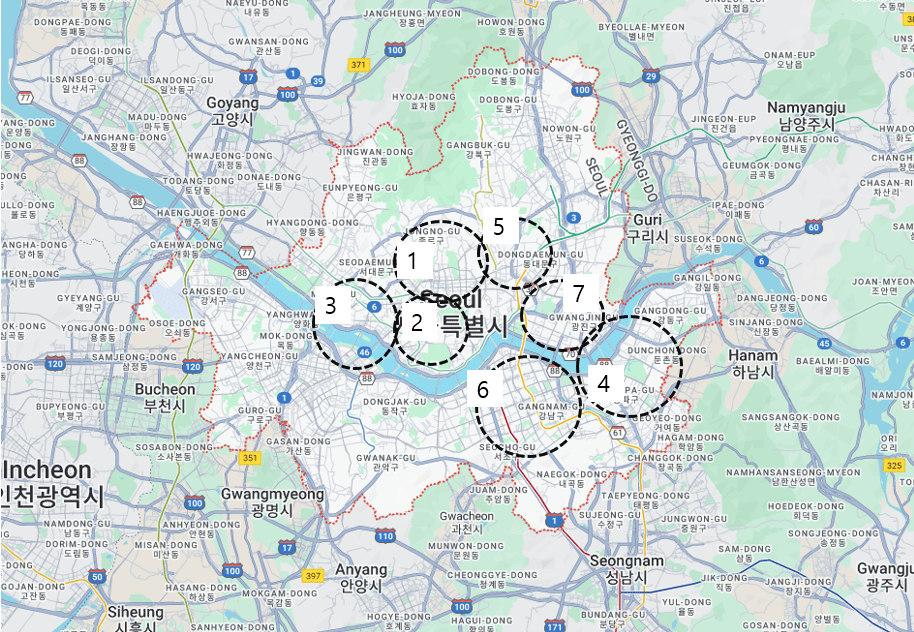
    Zone 1 🏛️ Sightseeing · 🧧 Traditional Culture · 🍜 Food · 🛍️ Shopping
    Zone 2 🏛️ Sightseeing · 🍸 Nightlife
    Zone 3 🍜 Food · 🛍️ Shopping · 🎨 Art · 🍸 Nightlife
    Zone 4 🌳 Nature · 🏛️ Sightseeing · 🎡 Activities
    Zone 5 🛍️ Shopping · 🍜 Food
    Zone 6 🛍️ Shopping · 🎨 Art · 🏥 Medical
    Zone 7 🌳 Nature

    Now let’s explore Zone 1 in more detail: what to see, eat, and do.

    Zone 1: Central Seoul Area (Myeongdong & Euljiro)

    🏛️ Sightseeing · 🧧 Traditional Culture · 🍜 Food · 🛍️ Shopping

    Located in the heart of Seoul, the Central Seoul area — especially neighborhoods like Myeongdong and Euljiro — has long served as the historical and cultural core of the capital, dating back to the Joseon Dynasty. This area is extremely popular with foreign visitors because it offers some of the most “authentically Korean” experiences — from heritage sites and traditional crafts to street food and beauty shopping.

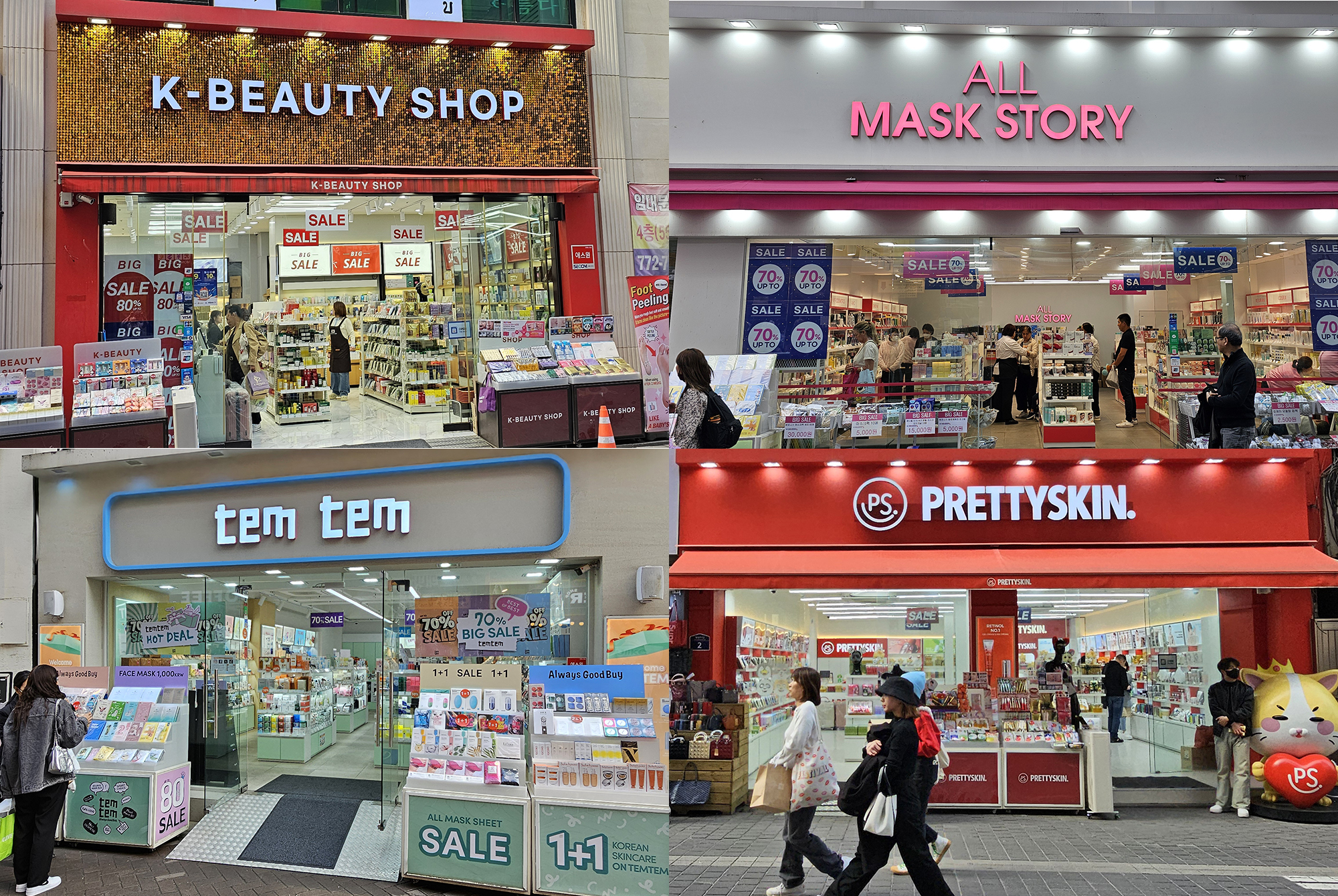
    Myeongdong and Euljiro are always buzzing with energy. Expect vibrant shopping streets filled with skincare and cosmetics shops, trendy fashion stores, and countless eateries offering everything from sizzling Korean BBQ to casual street snacks.

    As for food, everyone has different tastes — so instead of recommending specific restaurants here, we’ll focus on where to go. Some neighborhoods in Central Seoul are especially packed with great dining spots. In particular, Seochon and Euljiro are known for their concentration of beloved local eateries. While Myeongdong is a bustling commercial district with no shortage of restaurants, truly famous or high-quality places are relatively few. For detailed food recommendations, check out our upcoming post dedicated to must-try restaurants in each zone! filled with skincare and cosmetics shops, trendy fashion stores, and countless eateries offering everything from sizzling Korean BBQ to casual street snacks.

    Some must-visit spots in this zone include:

    • Gyeongbokgung Palace: The largest of the Five Grand Palaces built during the Joseon Dynasty.
    • Bukchon Hanok Village: A picturesque neighborhood of traditional Korean houses.
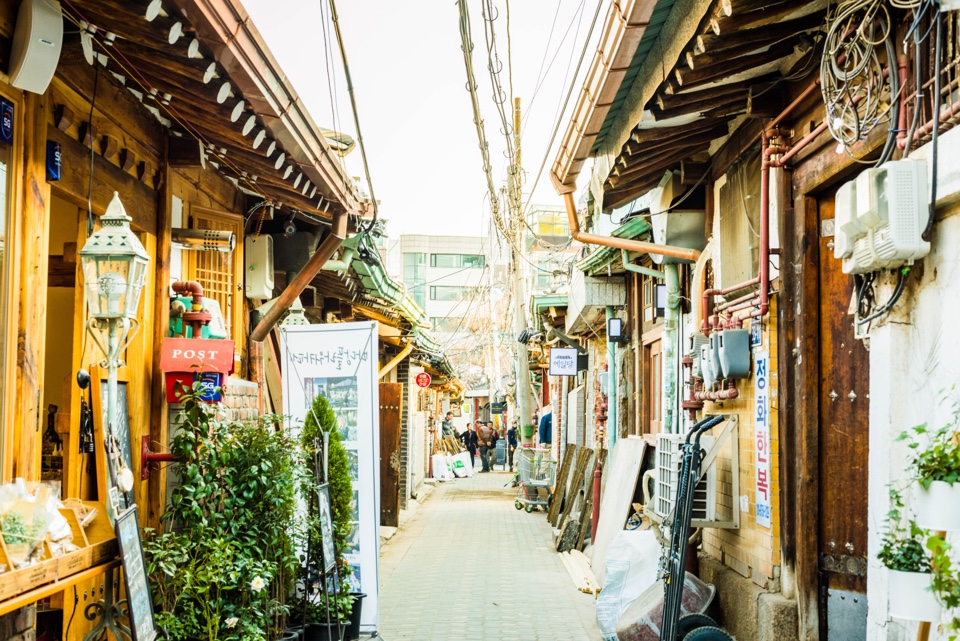
    • Ikseon-dong Hanok Village: A fusion of old Korea with modern cafes, boutiques, and street food.
    • Gwanghwamun Square: A cultural hub with historical statues and fountains.
    • Insadong: A hotspot for traditional crafts, tea houses, souvenirs, and hands-on cultural experiences.

    🗓️ Recommended Itinerary for Zone 1 (Starting at 9 AM)

    If you plan to start your day around 9 AM, here’s a thoughtfully paced itinerary that blends culture, food, shopping, and a bit of romance:
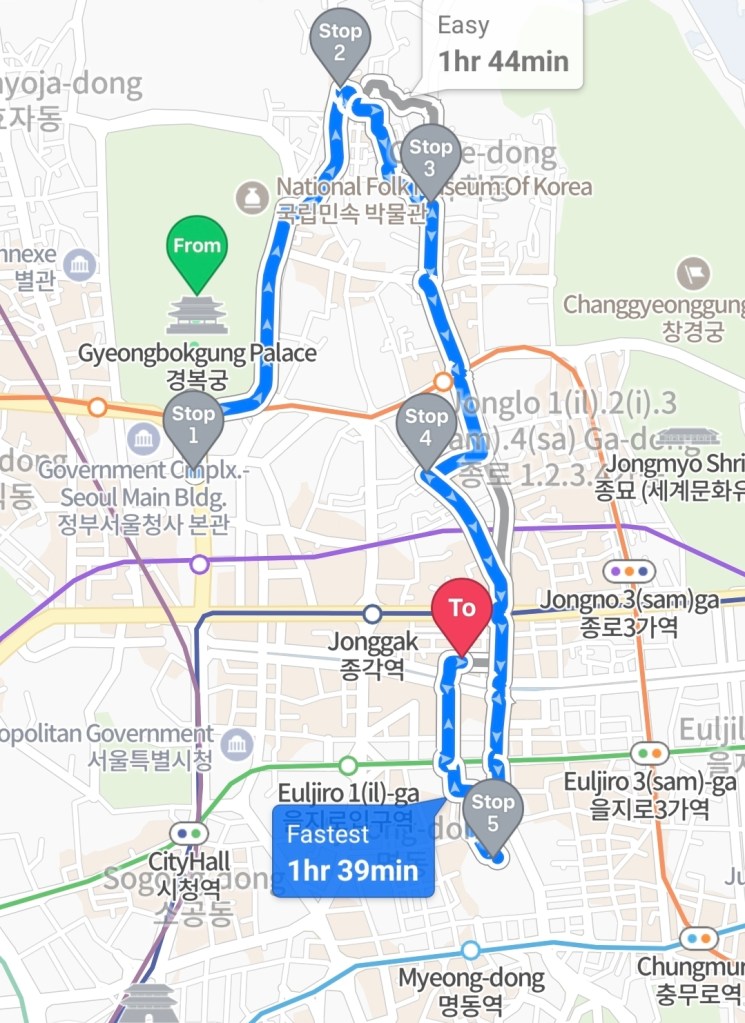
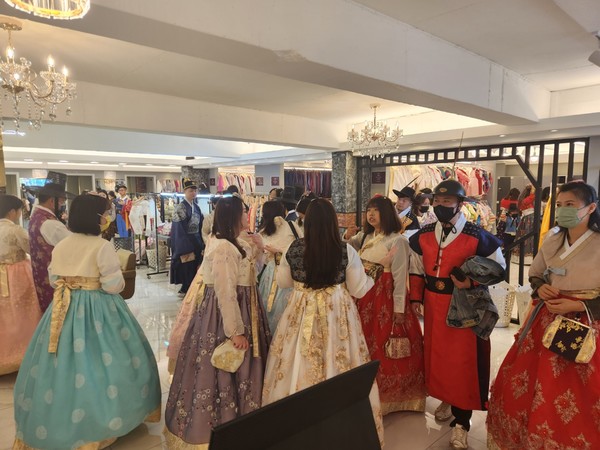
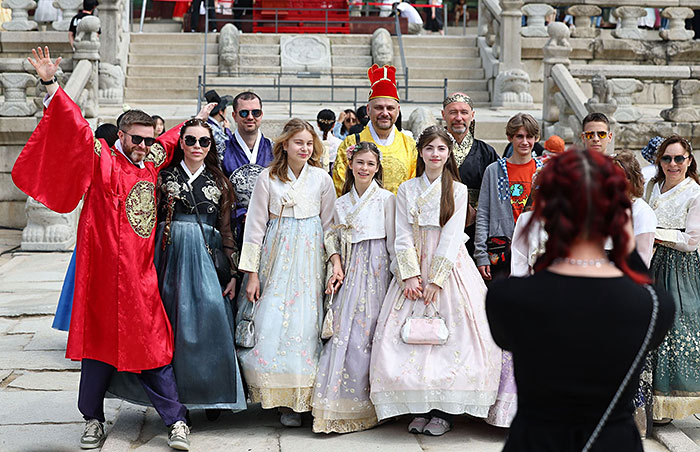
    🕘 9:00 AM – Hanbok Rental & Gyeongbokgung Palace & Gwanghwamun Gate
    Begin your day by renting a hanbok (traditional Korean attire) near Gyeongbokgung Palace. Most rental shops offer 2-hour packages, which gives you plenty of time to walk around the palace grounds and take stunning photos while dressed in traditional clothing.
    🕚 11:00 AM – Return Hanbok & Explore Samcheong-dong
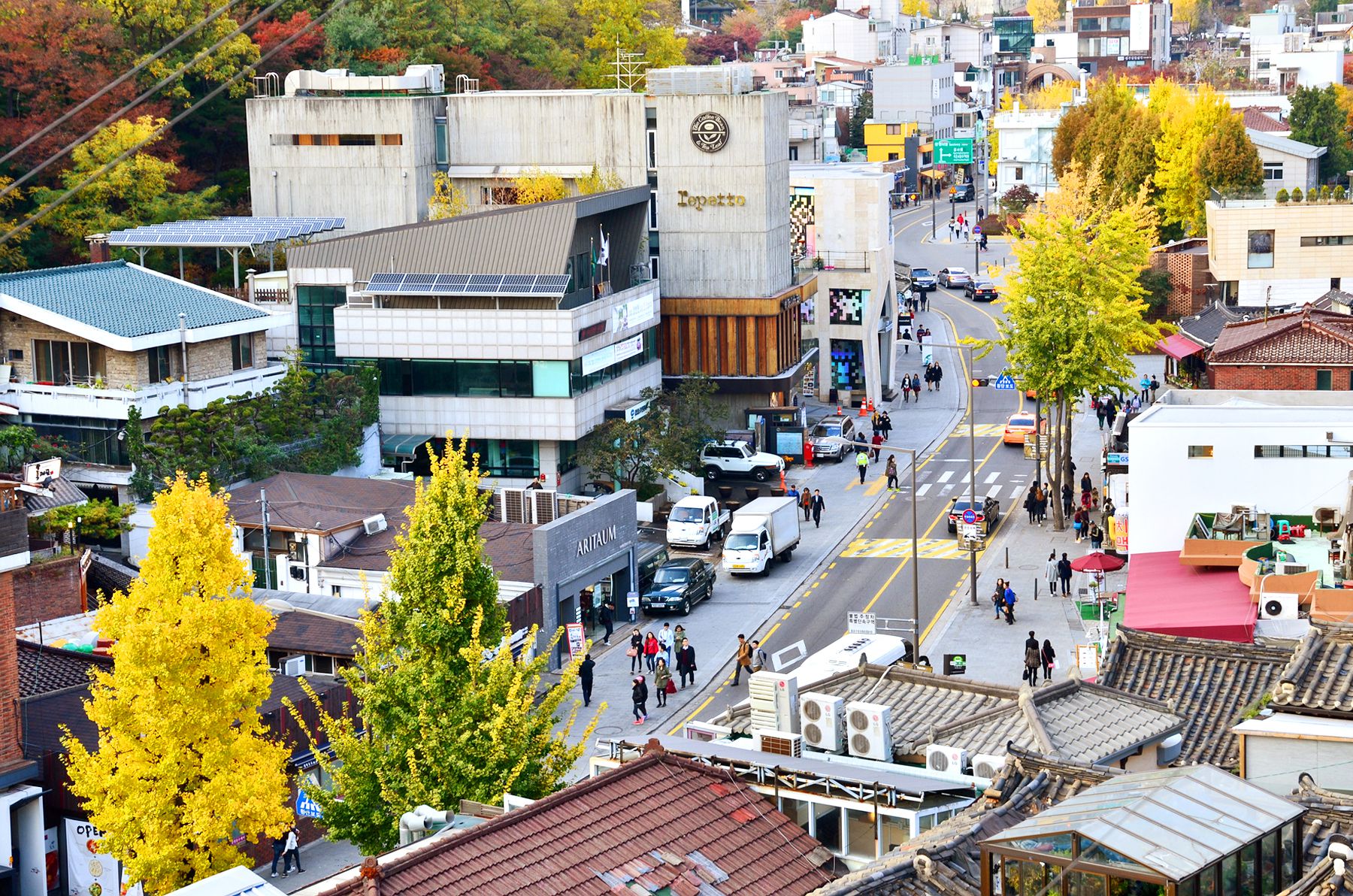
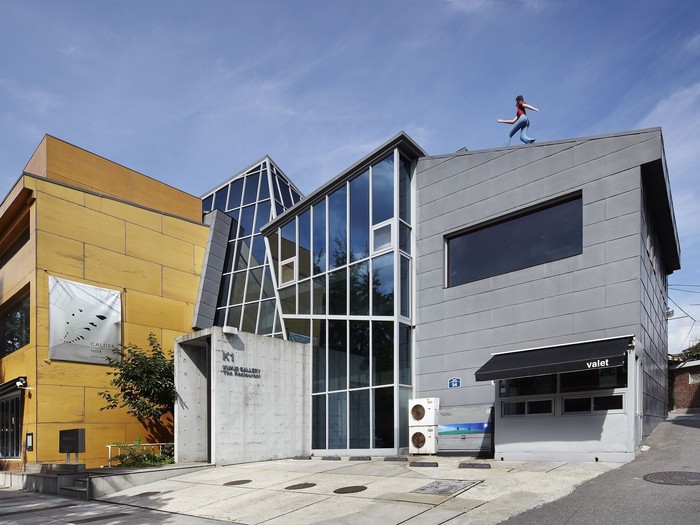
    After returning your hanbok and changing back into your clothes, head into Samcheong-dong, a charming neighborhood near Gyeongbokgung filled with galleries, artisan boutiques, and cafés.
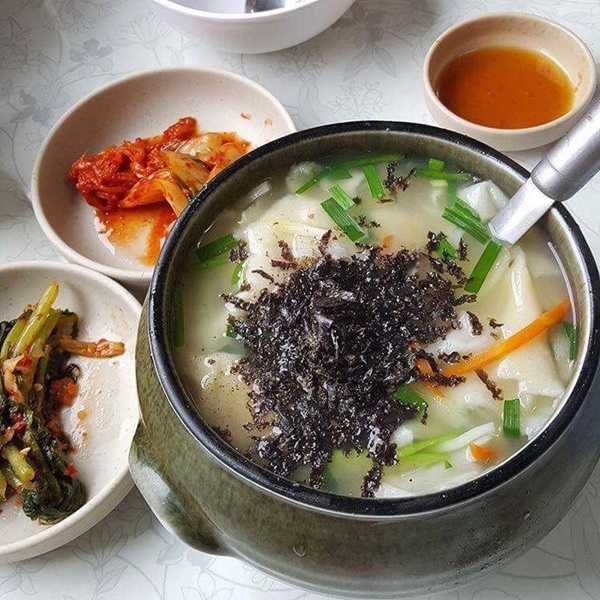
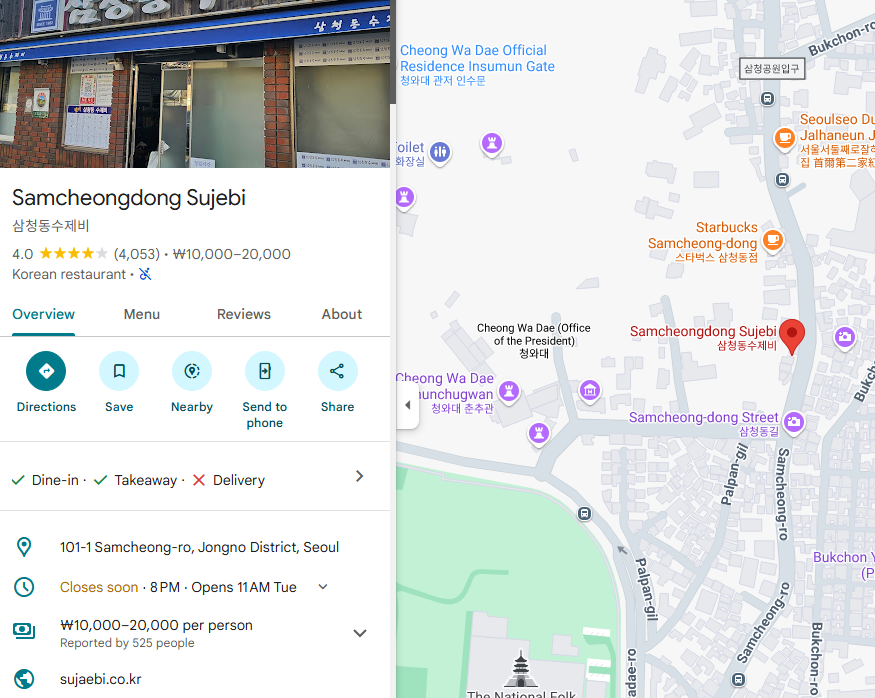
    🕛 12:30 PM – Lunch at Samcheong-dong Sujebi
    Stop by Samcheong-dong Sujebi(Link), a local favorite known for its hearty hand-pulled noodle soup. It’s a beloved spot, so you might encounter a short wait.
    🕐 1:30 PM – Stroll Through Bukchon Hanok Village & Ikseondong Hanok Village
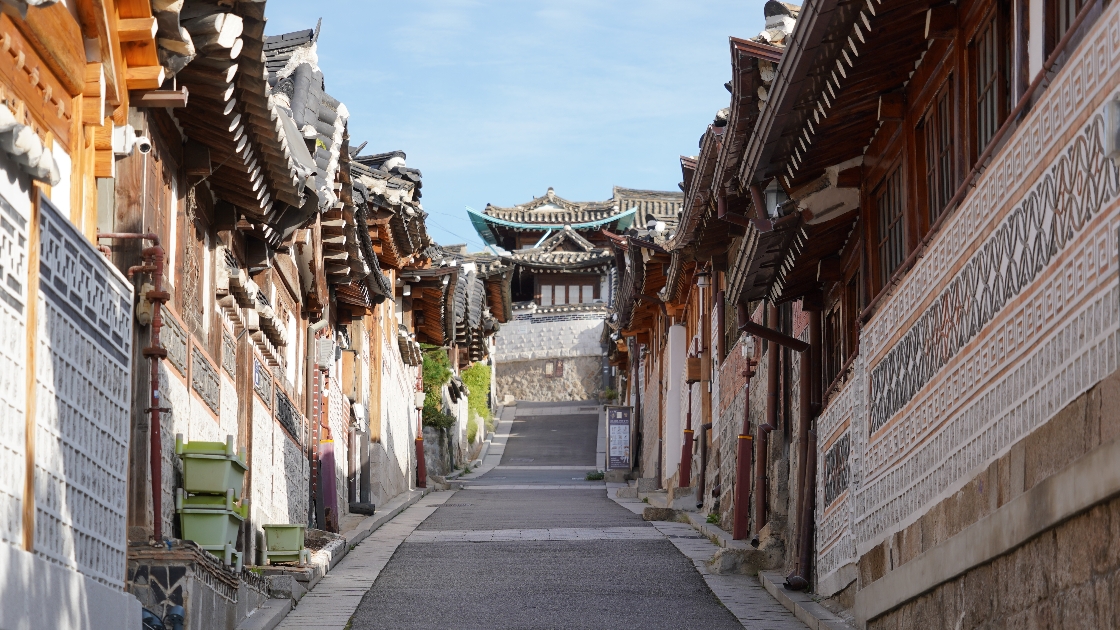
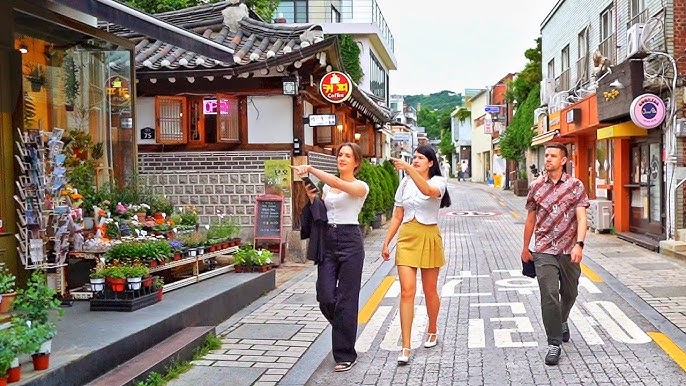
    Take your time exploring the beautifully preserved traditional houses of Bukchon & Ikseondong Hanok Village and snap some photos in this quiet residential neighborhood.
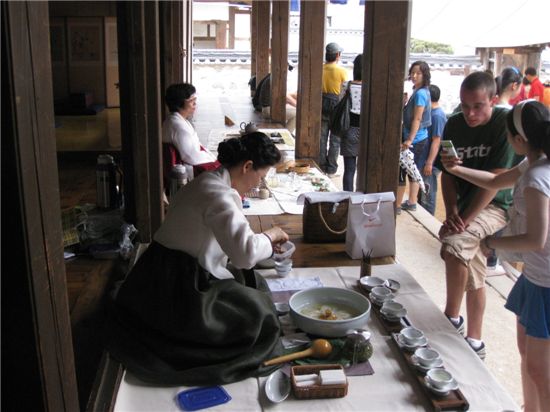
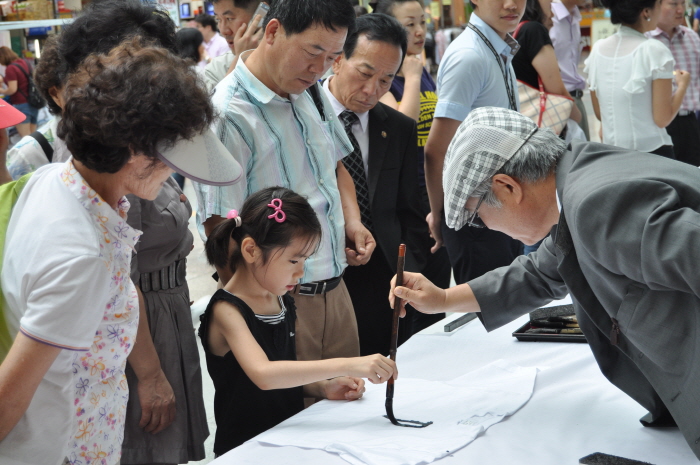
    🕑 2:30 PM – Cultural Experiences in Insadong
    Head over to Insadong for hands-on cultural activities like traditional taffy (yeot) making or Korean handicraft workshops. This area is perfect for picking up unique souvenirs and enjoying a calm tea house.
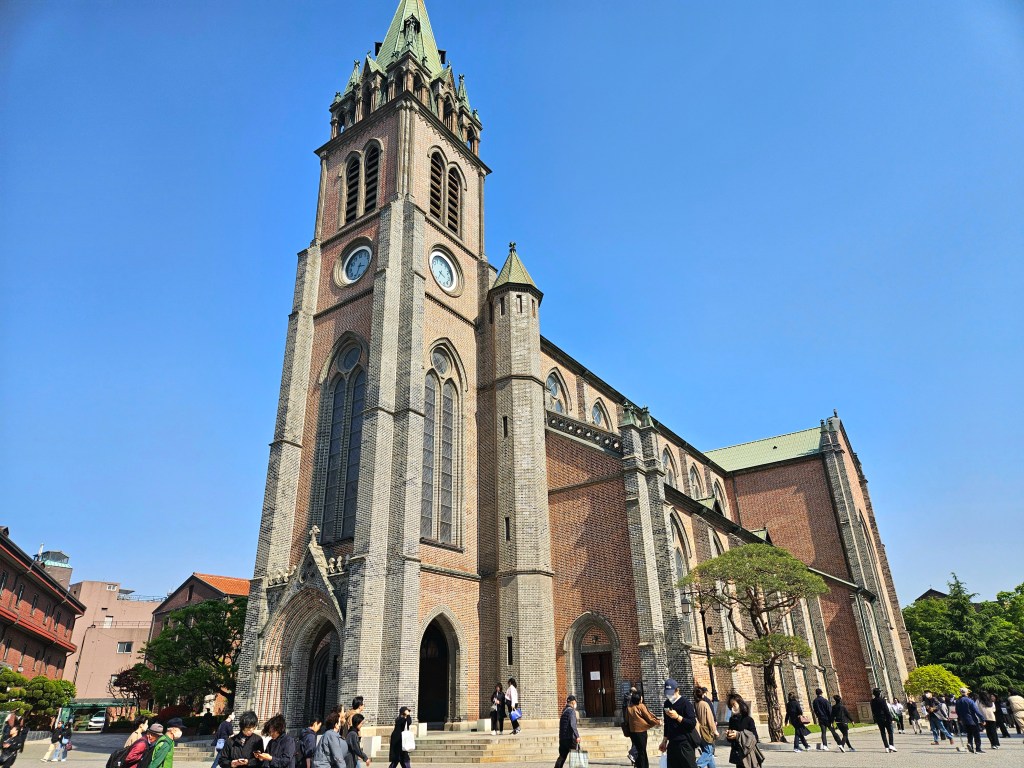
    🕓 4:00 PM – Move to Myeongdong & Visit Myeongdong Cathedral
    Hop on a short subway ride or take a pleasant walk to Myeongdong. Start your visit at Myeongdong Cathedral, one of Korea’s most significant Catholic churches.
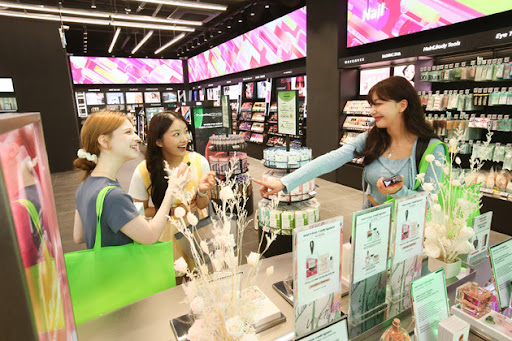
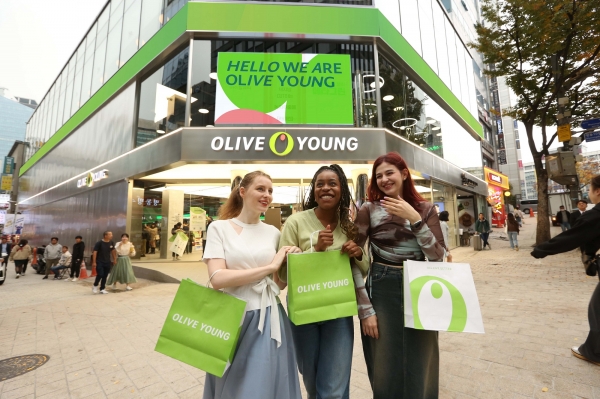
    🕔 5:00 PM – Beauty & Fashion Shopping in Myeongdong
    This is your chance to dive into the Korean beauty scene — browse skincare shops, try free samples, and stock up on the latest trends. Lotte Department Store is just around the corner if you want to check out local fashion brands too.
    🕕 6:30 PM – Dinner at Wangbijib (Korean BBQ)
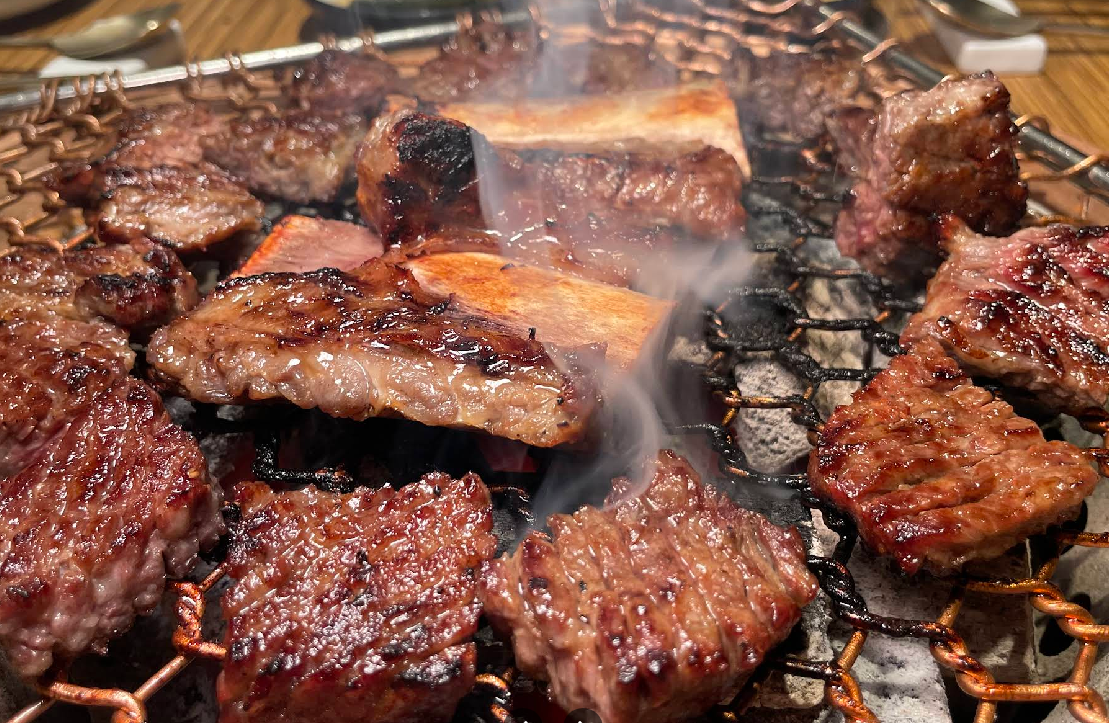
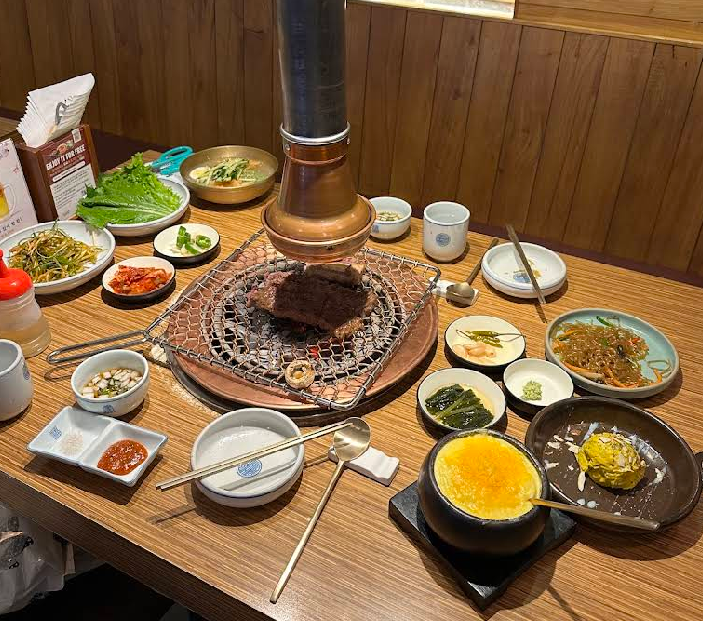
    Savor authentic Korean BBQ at Wangbijib(Link), a popular restaurant in Myeongdong known for its quality meats and lively dining atmosphere — a must-try experience for first-time visitors!
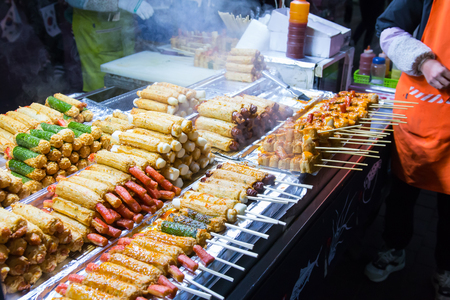
    🕢 7:30 PM – Myeongdong Night Market Snacks
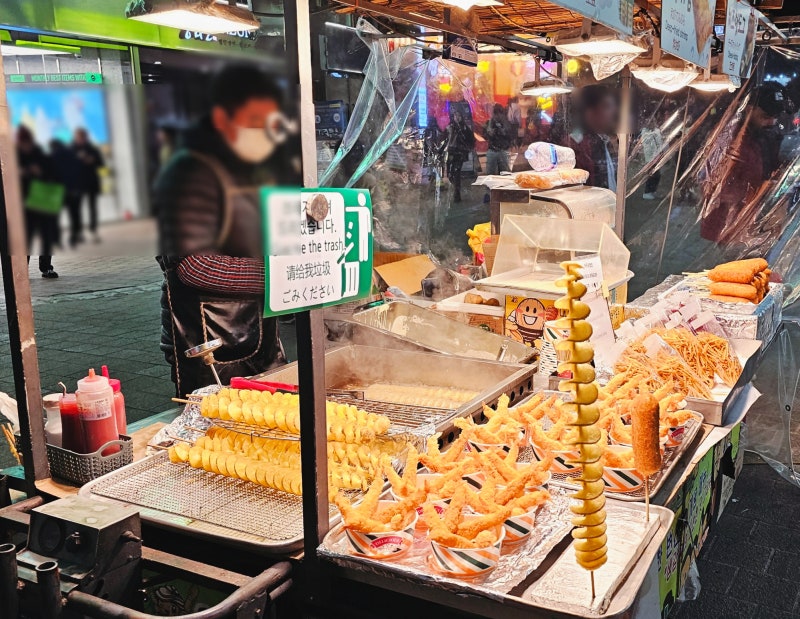
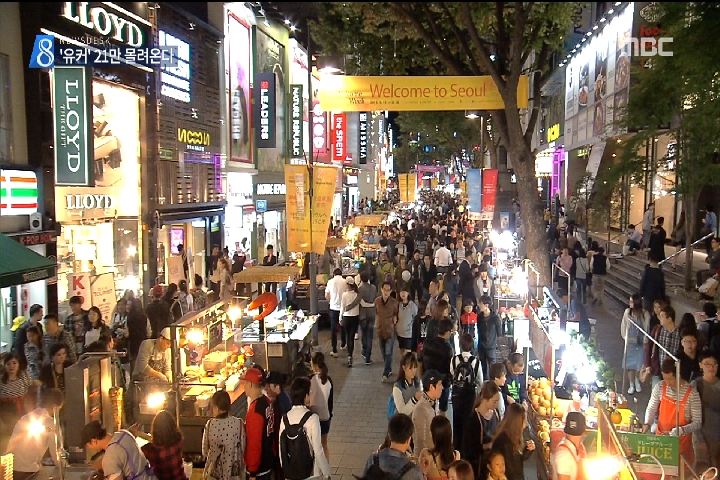
    By now, the Myeongdong night market will be in full swing. Try some must-eat Korean street food like tteokbokki, grilled skewers, hotteok, or mandu as you explore the bustling streets.
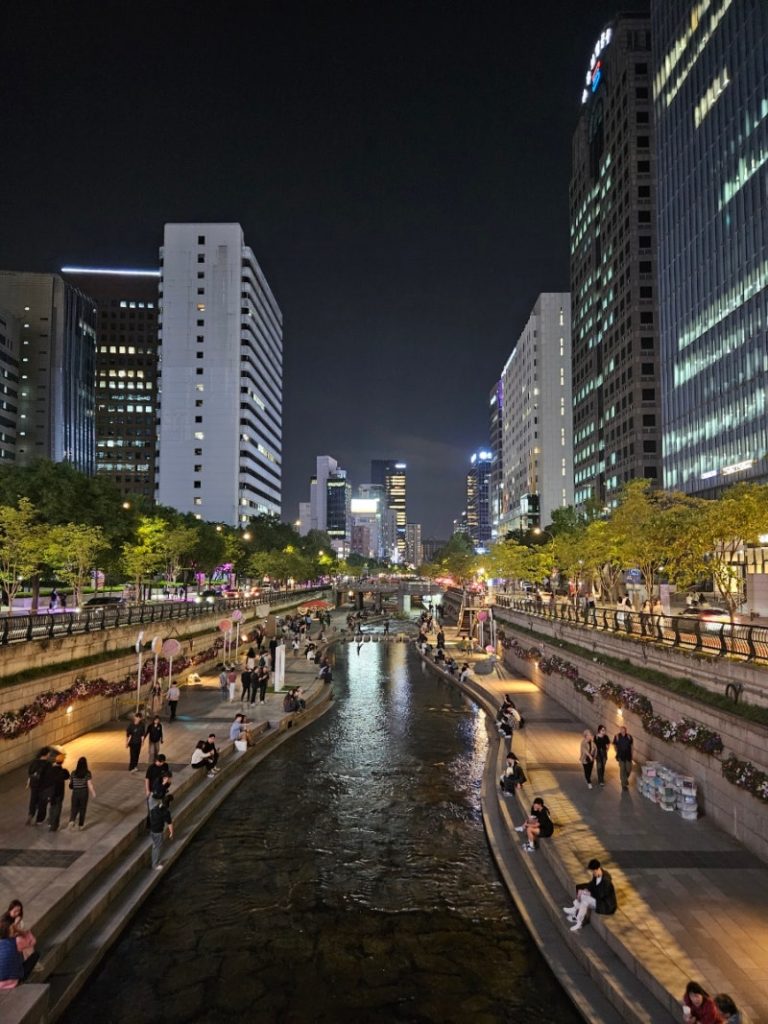
    🕘 9:00 PM – Relax by Cheonggyecheon Stream
    End your day with a peaceful walk along Cheonggyecheon, a beautifully lit urban stream. Grab a can of beer from a nearby convenience store and enjoy the night breeze surrounded by the soft sounds of flowing water.

    Zone 2: Yongsan, Itaewon & Namdaemun Market

    🏛️ Sightseeing · 🍸 Nightlife

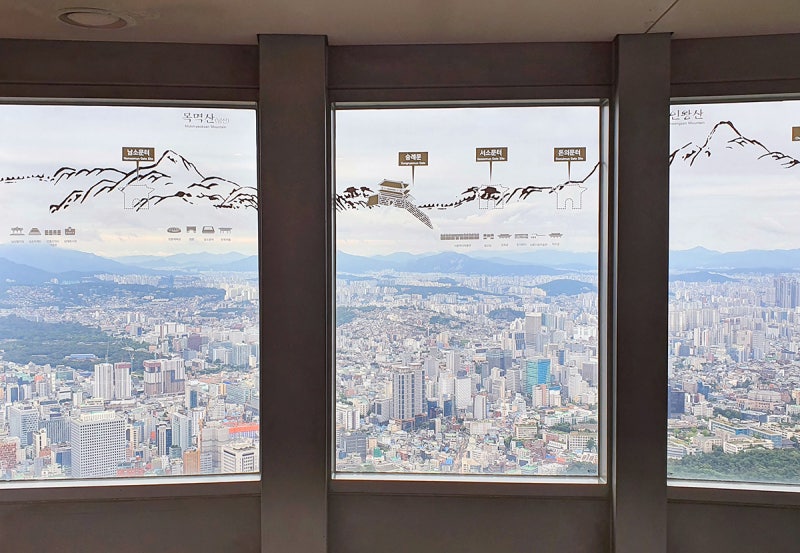
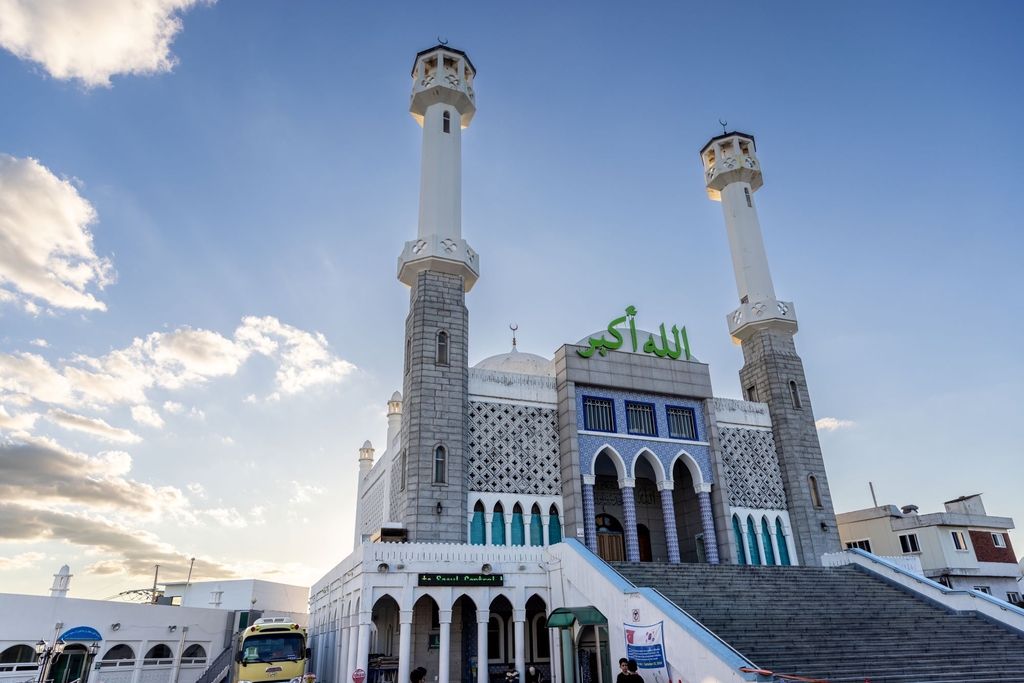
    Zone 2 offers a fascinating blend of history, culture, and global influences. Yongsan is home to the impressive National Museum of Korea, the War Memorial of Korea, sprawling parks, Seoul Station, and scenic city views from Namsan Seoul Tower. Just a short distance away, Itaewon is one of Seoul’s most international neighborhoods — a hotspot for nightlife, dining from all over the world, and a vibrant bar scene that comes alive after sunset. You can also visit the beautiful Seoul Central Mosque, a key landmark in Itaewon area.

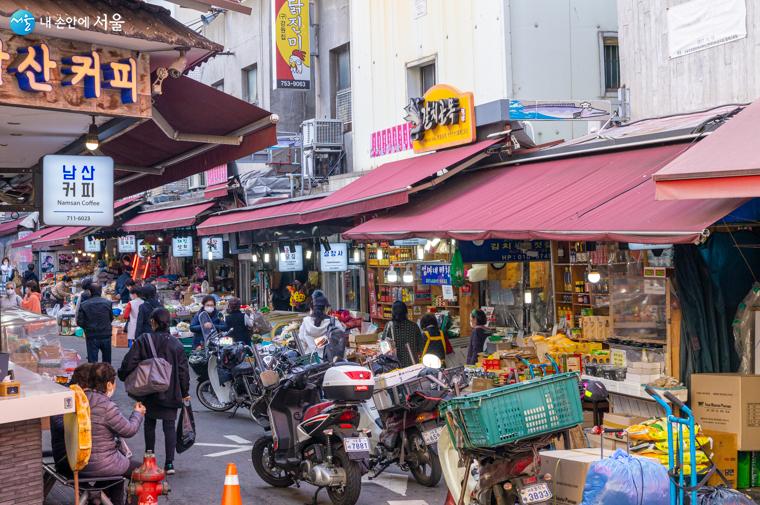
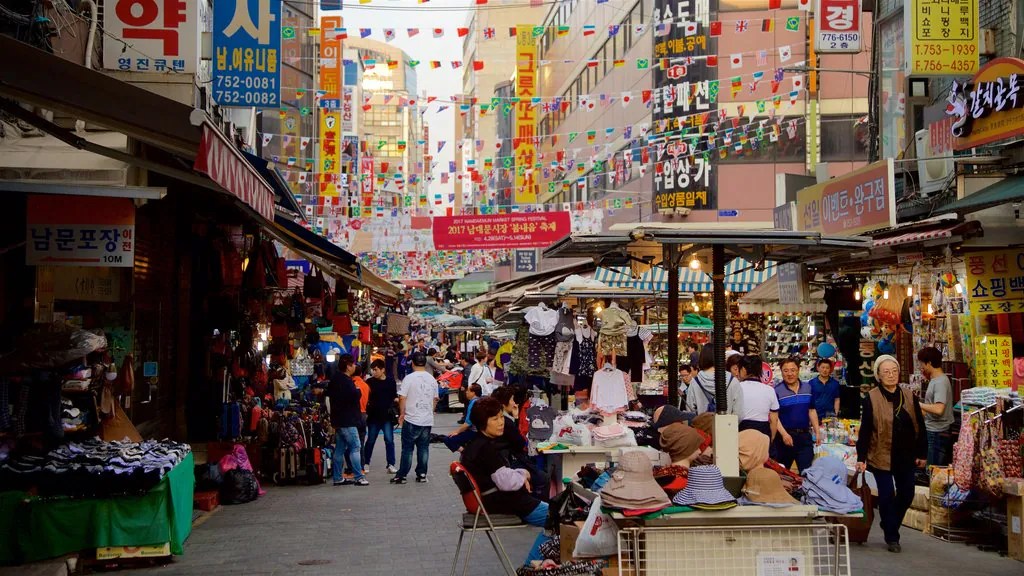
    Namdaemun Market, Korea’s largest traditional market, is also part of this zone. Here, you can wander through endless stalls selling clothes, kitchenware, street food, and souvenirs at great prices. It’s a place where you can bargain a little, taste authentic Korean snacks, and experience the energy of a bustling local marketplace.

    Some must-visit spots in this zone include:

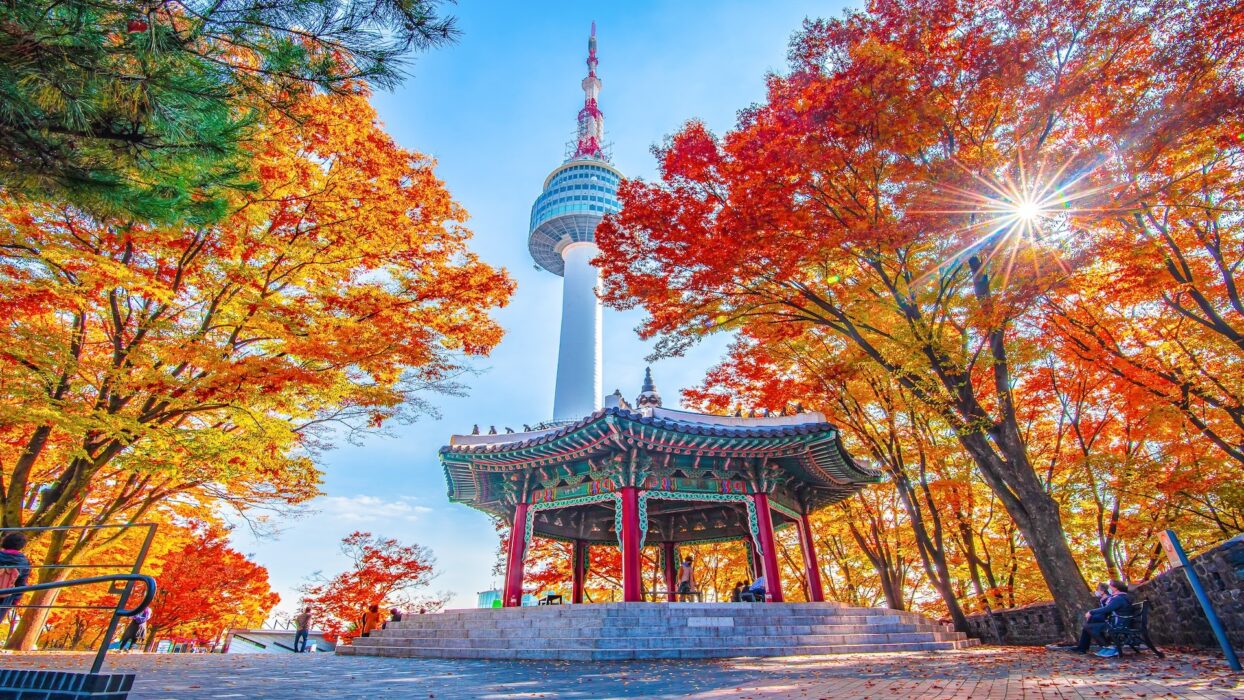
    • Namsan Seoul Tower: A panoramic viewpoint over the entire city.
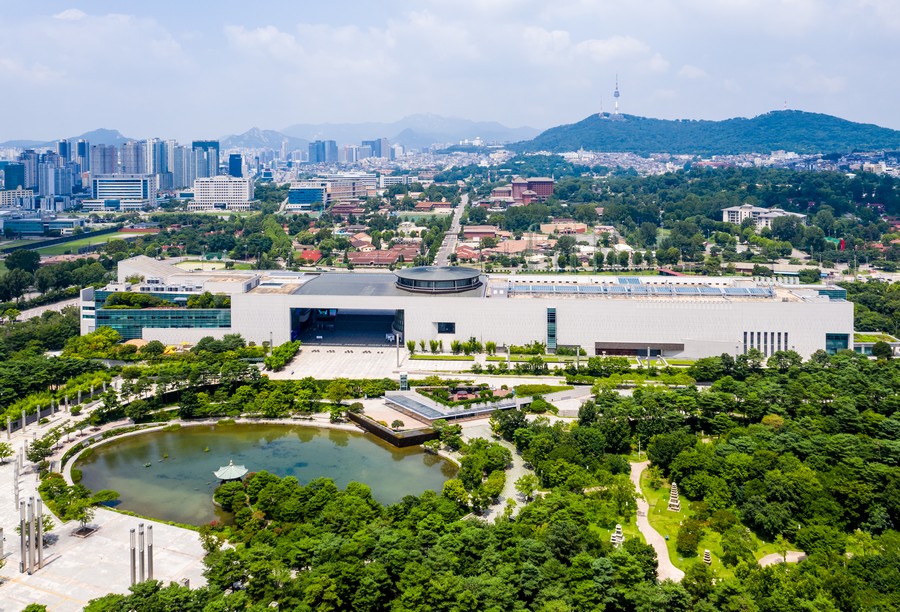
    • National Museum of Korea: A world-class museum showcasing Korea’s history and art.
    • War Memorial of Korea: A powerful and educational museum dedicated to Korea’s military history.
    • Seoul Station: A major transportation hub with historic architecture and modern shopping facilities.
    • Itaewon: Known for its multicultural dining options, trendy bars, and unique shopping.
    • Namdaemun Market: A lively market that has served Seoul for centuries.

    🗓️ Recommended Itinerary for Zone 2 (Starting at 10 AM)
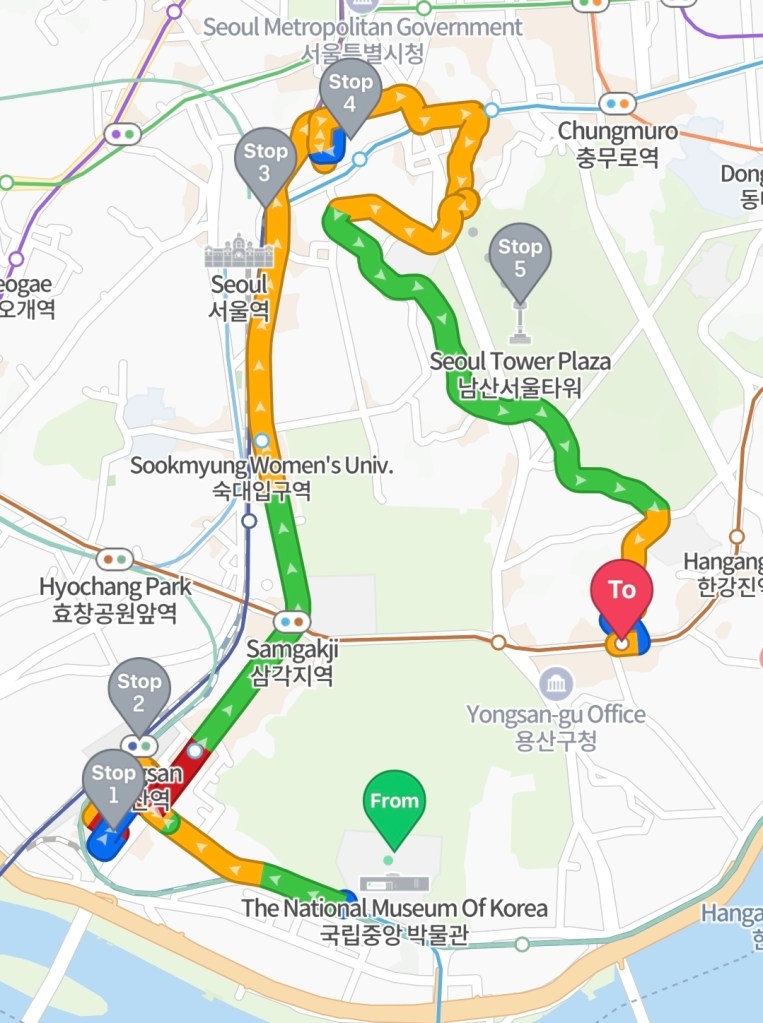
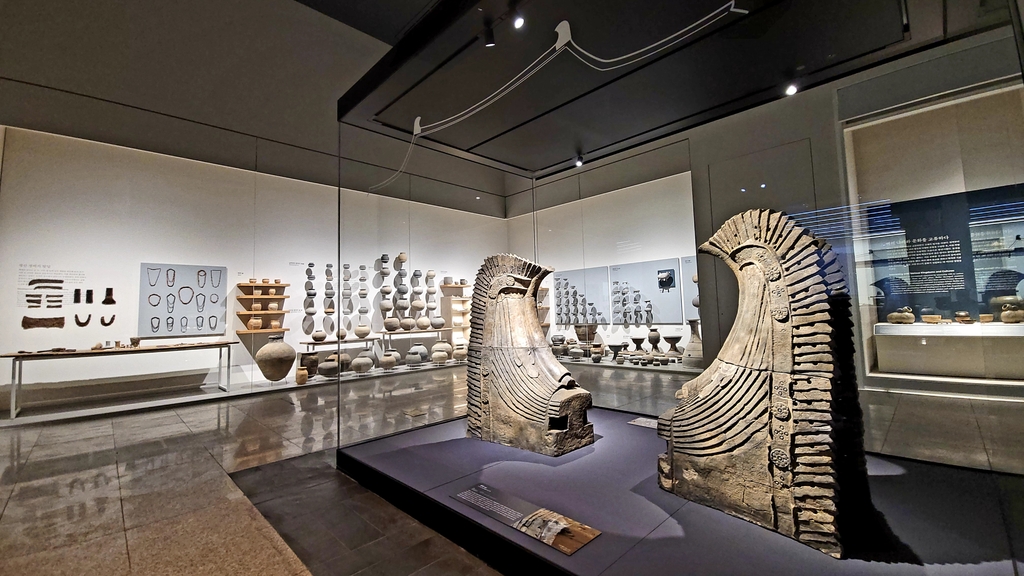
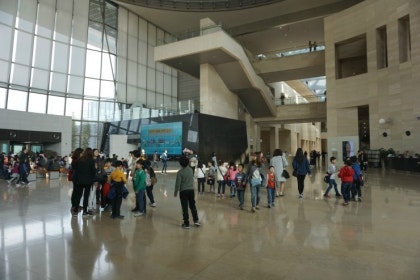
    🕙 10:00 AM – 12:30 PM – National Museum of Korea
    Begin your day at Korea’s largest and most prestigious museum, ranked among the largest in the world. Explore national treasures, ancient artifacts, and immersive exhibitions covering thousands of years of Korean history.
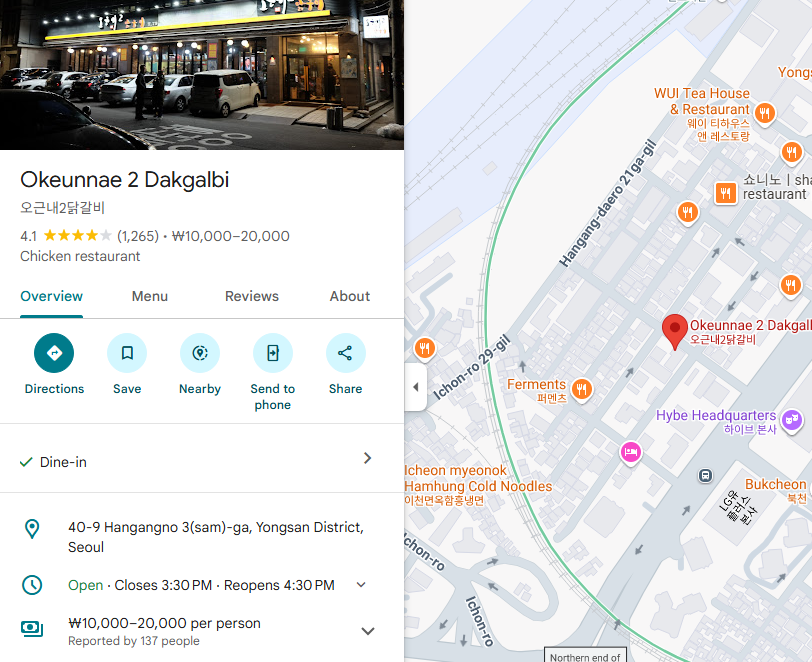
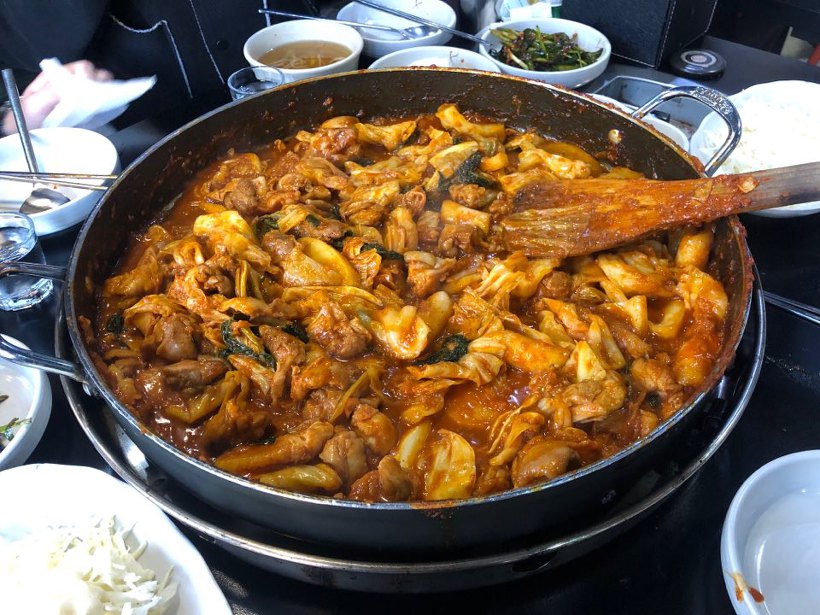
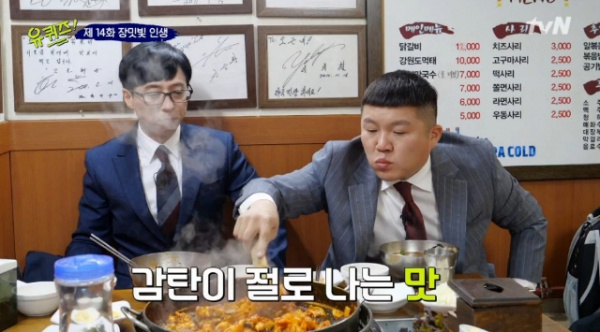
    🕧 12:30 PM – 1:30 PM – Lunch at Okeunnae 2 Dakgalbi(Link)
    Enjoy a hearty Korean lunch of spicy stir-fried chicken, vegetables, and chewy rice cakes. This local favorite is known for generous portions and bold flavors.
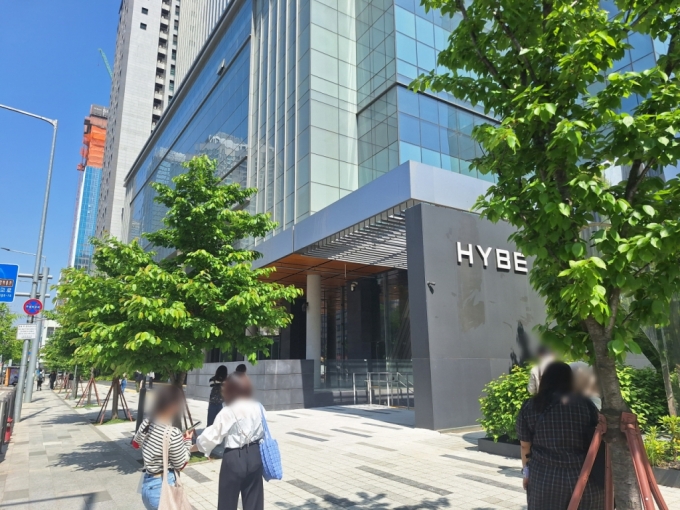
    🕐 1:30 PM – 2:00 PM – Optional HYBE Headquarters Visit
    If you’re a BTS fan, take a quick detour to HYBE HQ near Yongsan Station. Non-fans can skip this and head directly to Seoul Station.
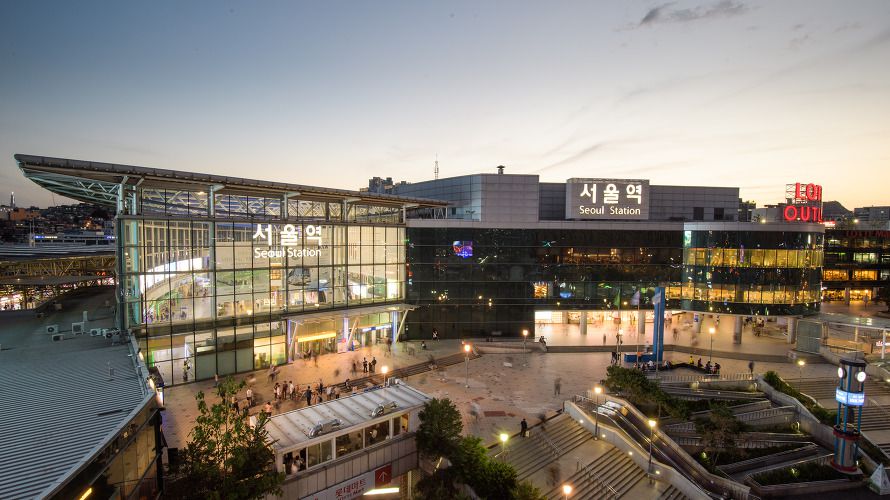
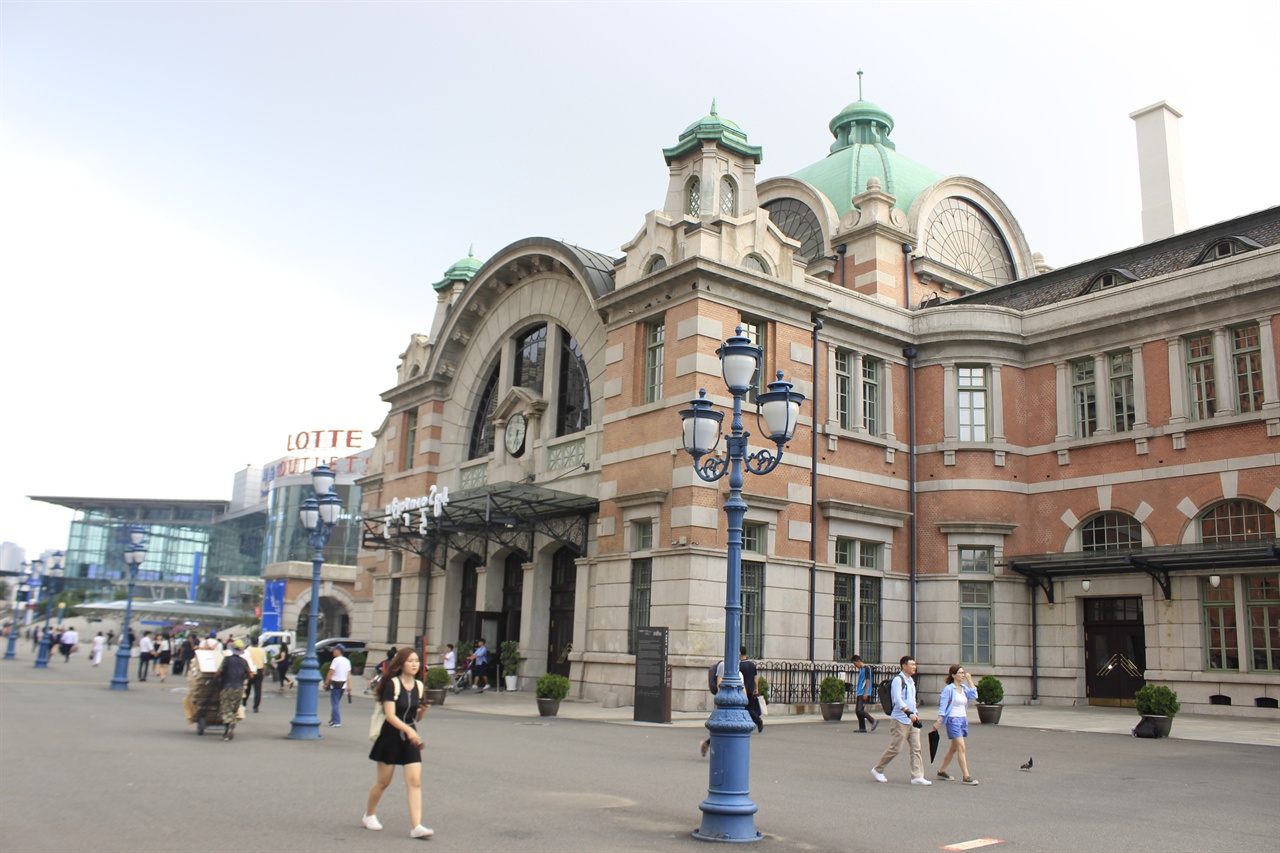
    🕑 2:00 PM – 2:40 PM – Seoul Station
    Discover Seoul’s largest transportation hub, where sleek modern facilities stand alongside the beautifully preserved Old Seoul Station, a colonial-era architectural landmark.
    🕝 2:40 PM – 3:40 PM – Namdaemun Market
    Wander through Korea’s oldest and biggest traditional market. Sample local snacks, shop for souvenirs, and soak in the bustling street scenes.
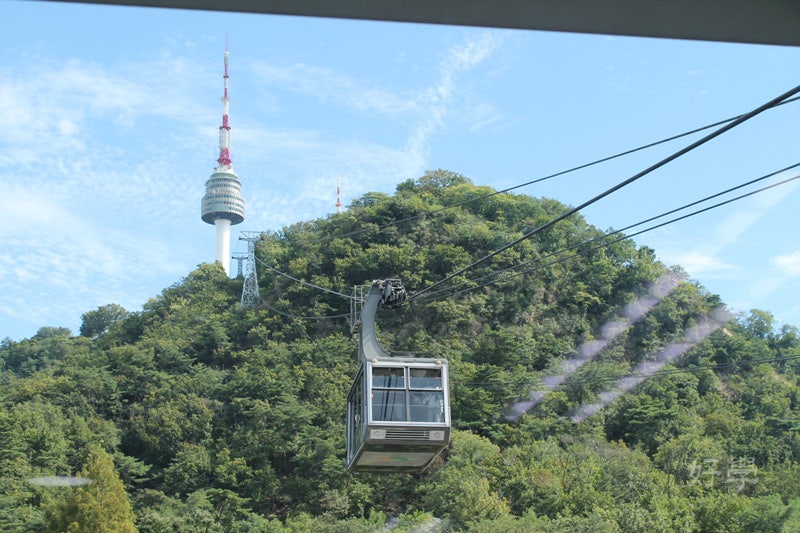
    🕓 4:00 PM – 5:30 PM – Namsan Cable Car & Namsan Seoul Tower
    Ride the cable car up Namsan Mountain for panoramic views of Seoul, then head up the iconic tower for a 360-degree cityscape.
    🕠 5:30 PM – 6:00 PM – Transfer to Itaewon

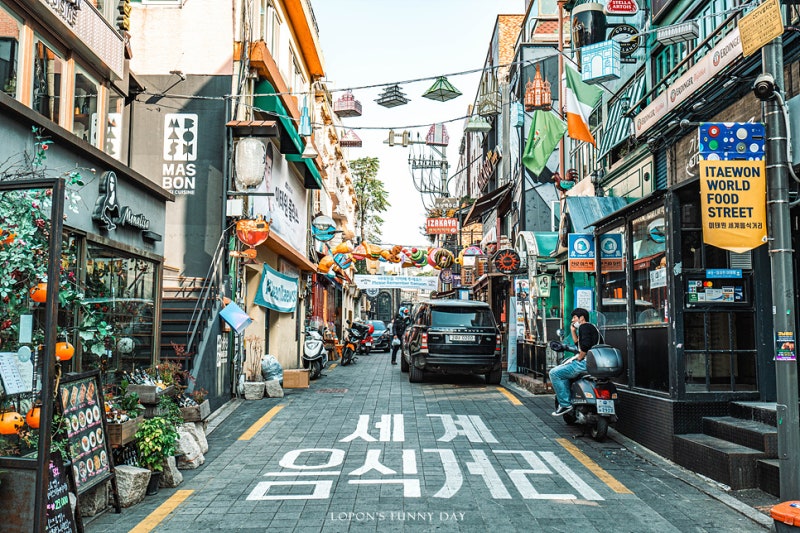
    🕕 6:00 PM – Evening – Explore Itaewon
    Walk through Itaewon’s eclectic streets, visit the Seoul Central Mosque, and browse its many international restaurants, dessert cafes, and boutique stores.
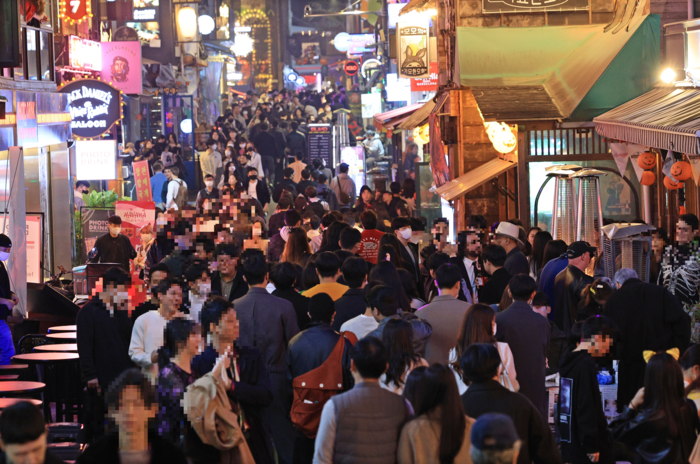
    🌙 Night – Itaewon Nightlife
    Wrap up your day with cocktails, craft beer, or live music in Itaewon’s vibrant nightlife scene.


    Zone 3: Hongdae, Hapjeong & Yeonhui-dong

    🍜 Food · 🛍️ Shopping · 🎨 Arts · 🍸 Nightlife

    Zone 3 is one of Seoul’s most youthful and creative areas, buzzing with shopping streets, cozy cafes, and vibrant nightlife. Hongdae is the epicenter of street performances and indie culture, while Hapjeong offers a more relaxed, stylish dining scene. Yeonnam-dong is beloved for its charming streets and green spaces, and Yeonhui-dong is full of unique, hidden cafes.

    Some must-visit spots in this zone include:

    • Hongdae Walking Street: Street performances, trendy shops, and energetic vibes.
    • Yeonnam-dong Gyeongui Line Forest Park: A peaceful urban park along a former railway.
    • Yeonhui-dong Cafes: Small, stylish cafes perfect for relaxing.

    🗓️ Recommended Itinerary for Zone 3 (Starting at 10 AM)
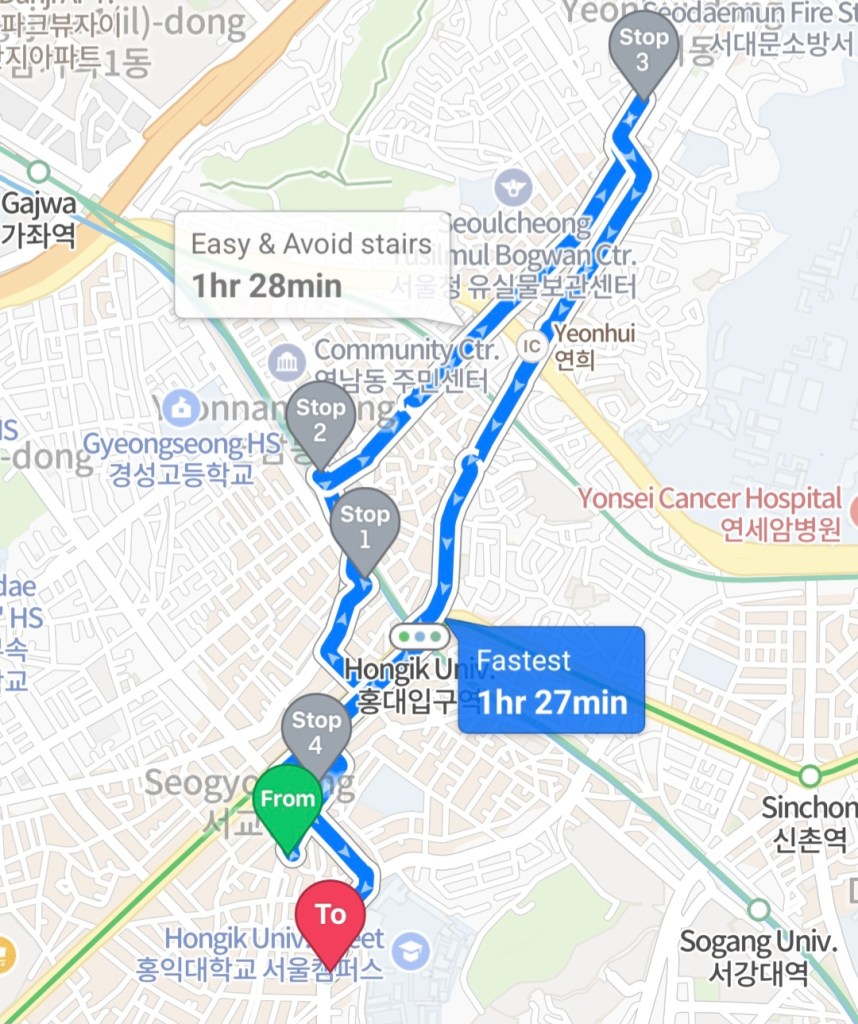
    🕙 10:00 AM – Hongdae Shopping Streets
    Begin your day exploring Hongdae’s bustling shopping streets and malls. Drop your purchases off at a nearby storage locker — options are available at Hongdae Station and other spots around the area.
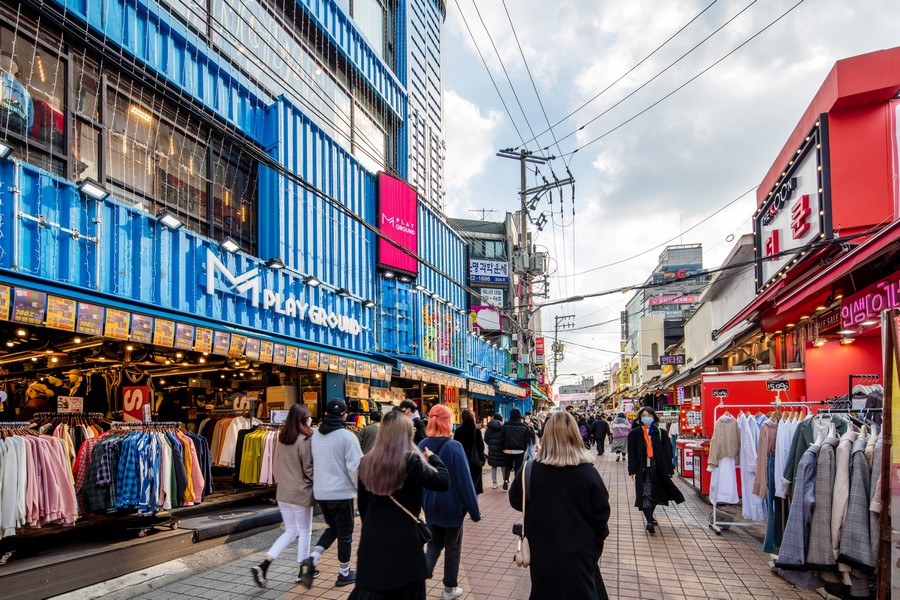
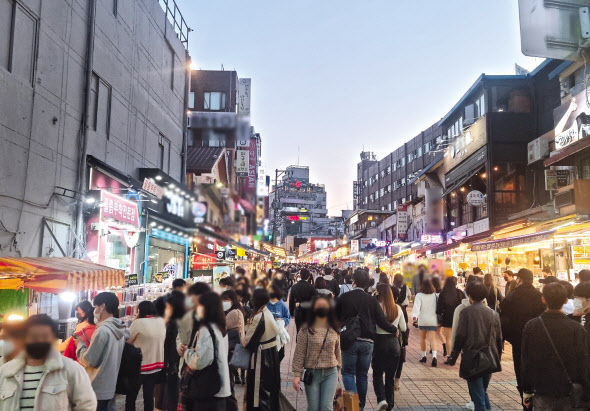
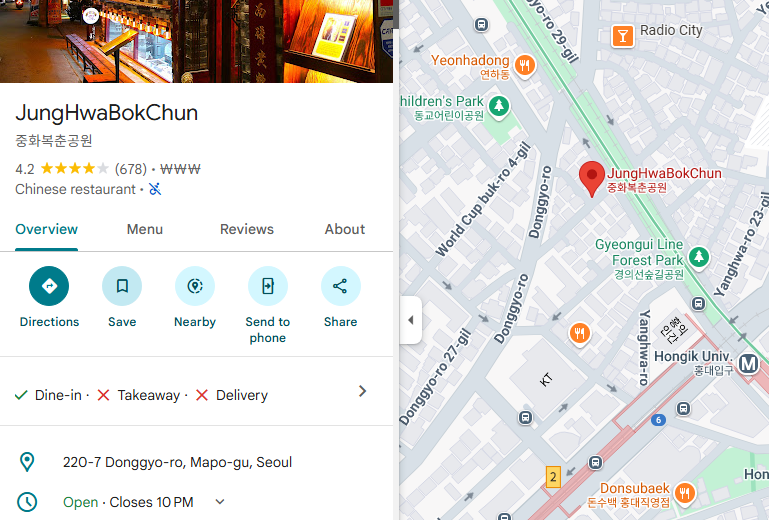
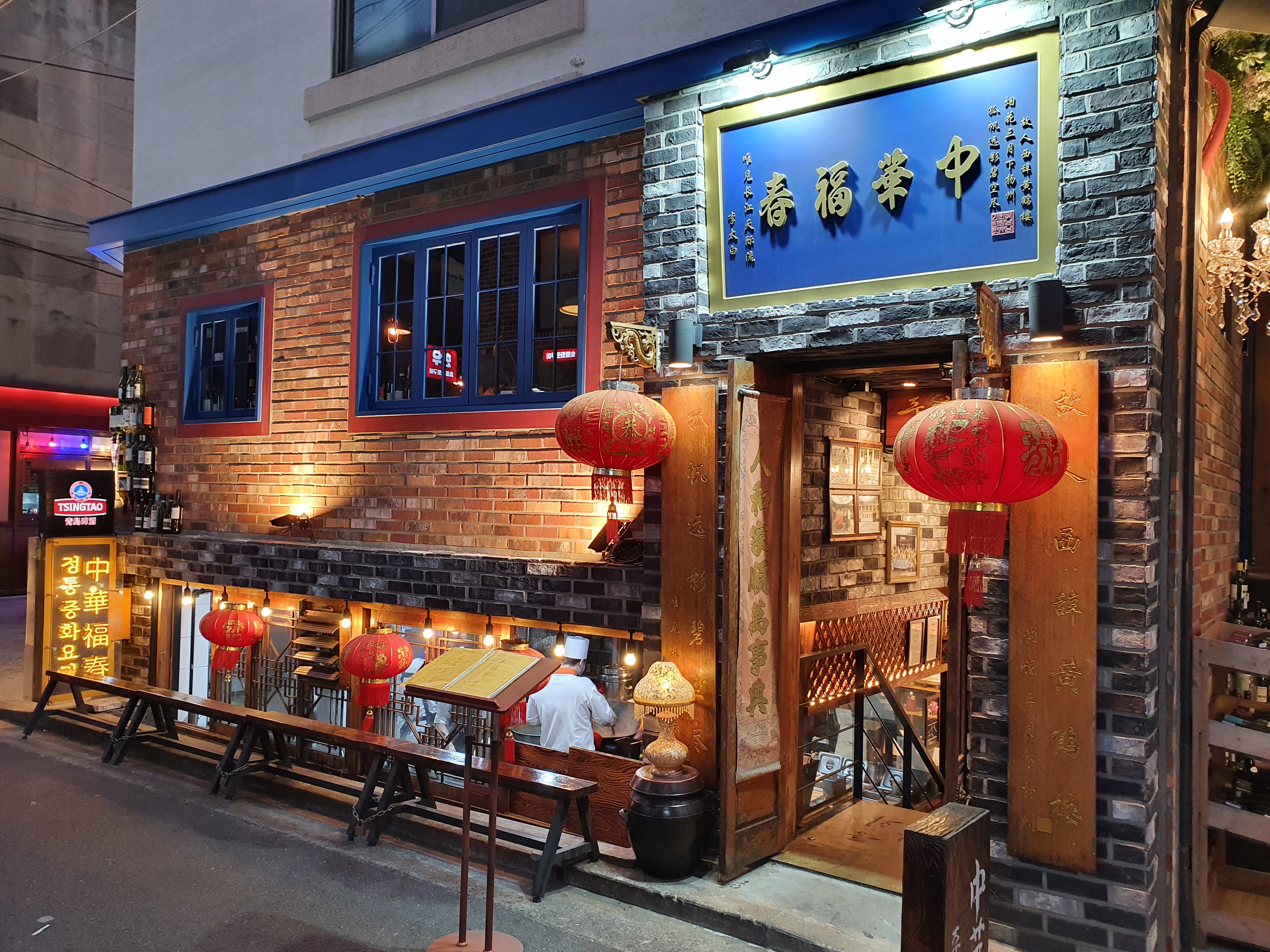
    🕛 12:00 PM – Lunch at Jung Hwa Bok Chun (Yeonnam Park Branch) (Link)
    Enjoy their signature “Kkancho Shrimp,” a dish I’ve had multiple times and highly recommend. It’s also been featured in the Michelin Guide.
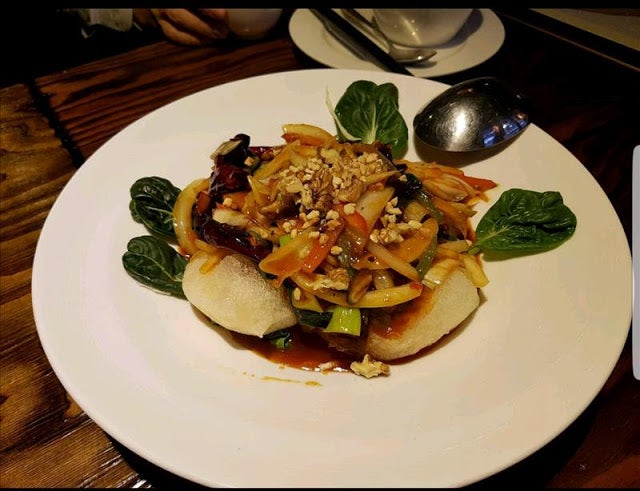
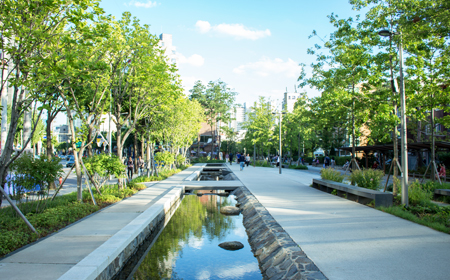
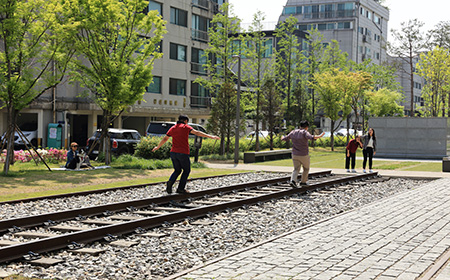
    🕐 1:00 PM – Stroll Through Gyeongui Line Forest Park
    Take a relaxing walk in this park stretching through Yeonnam-dong, perfect for a post-lunch digest.
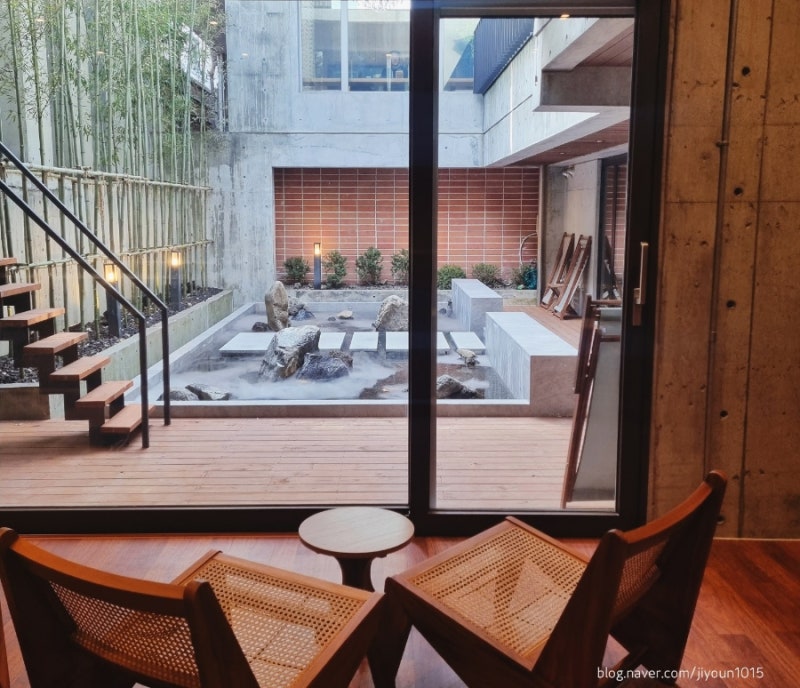
    🕒 2:30 PM – Café Time in Yeonhui-dong
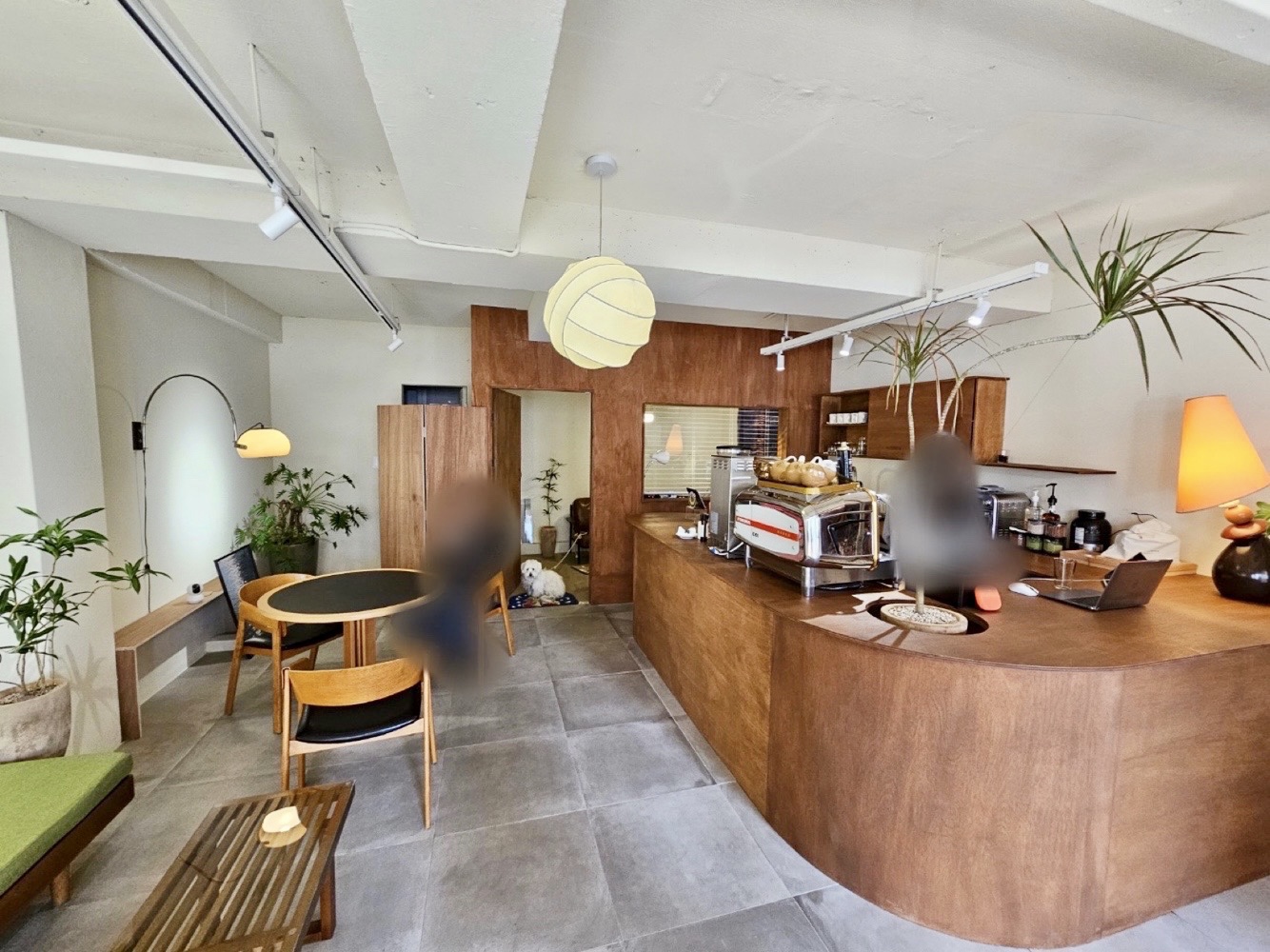
    Head to Yeonhui-dong, where small, picturesque cafes are perfect for a quiet break.
    🕓 4:00 PM – Hongdae Mural Street & Street Performances
    Browse the colorful murals, then enjoy live busking and performances along Hongdae’s lively streets.
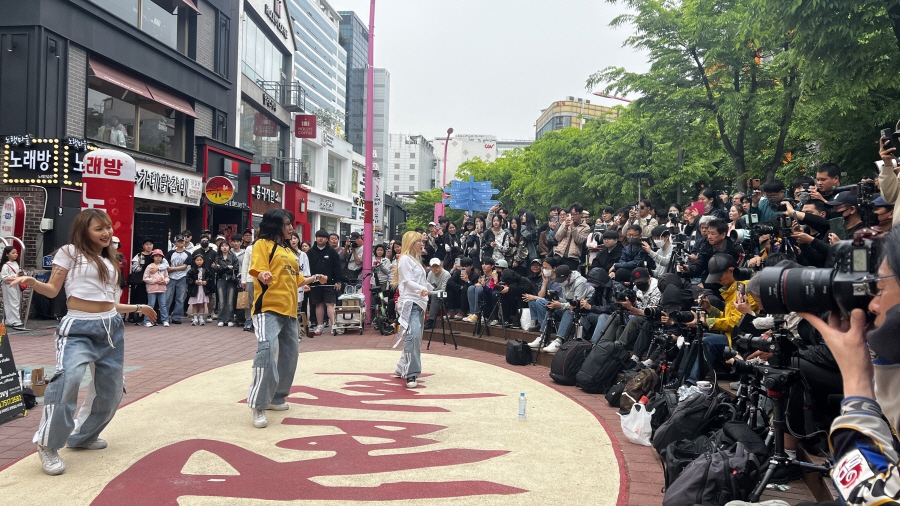
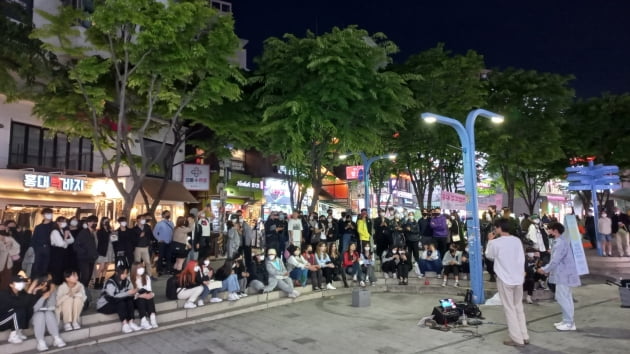
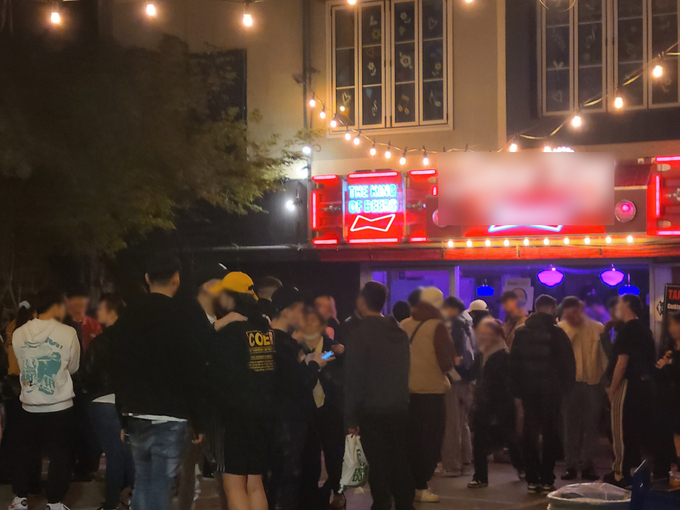
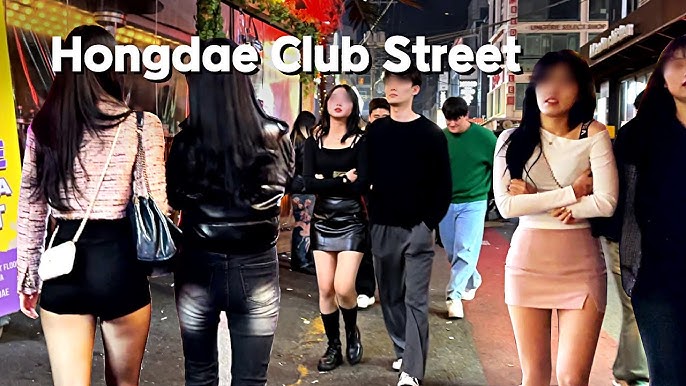
    🕕 6:00 PM – Dinner & Nightlife in Hongdae
    Have dinner in one of Hongdae’s many restaurants, then experience its energetic nightlife — one of the top spots in Seoul for young people after dark.
    Zone 4: Jamsil, Songpa & Seokchon Lake

    🌳 Nature · 🏛️ Sightseeing · 🎡 Activities

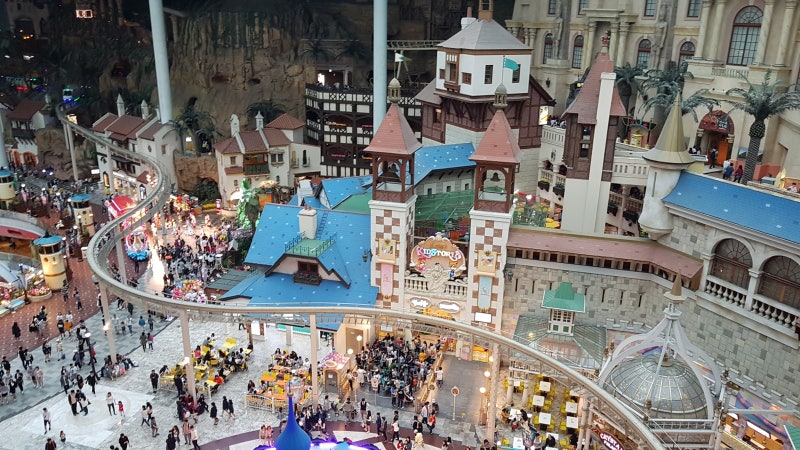
    Zone 4 offers a mix of scenic views, leisure activities, and modern attractions. Jamsil is home to the famous Lotte World Tower and Lotte World theme park, while Songpa boasts family-friendly spots and great shopping. Seokchon Lake provides a peaceful escape with its walking paths and seasonal cherry blossoms. The area also includes Olympic Park, a vast green space with sports arenas, outdoor sculptures, and peaceful gardens — a favorite spot for both locals and tourists.

    Some must-visit spots in this zone include:

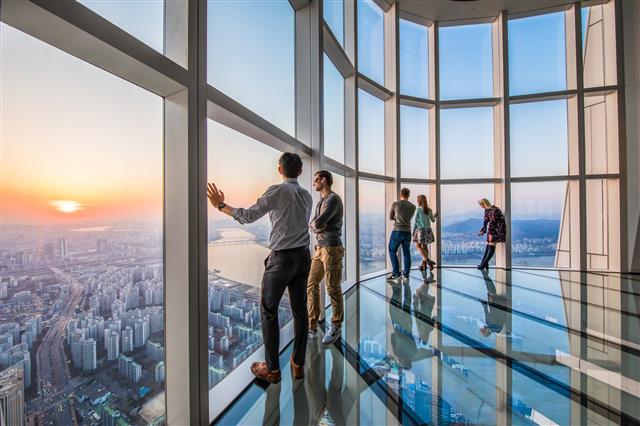
    • Lotte World Tower: The tallest building in Korea with an observation deck offering panoramic city views.
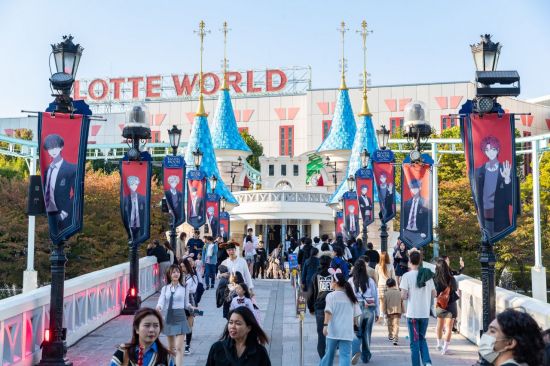
    • Lotte World Adventure: A massive indoor and outdoor amusement park, often compared to Six Flags. Because much of it is indoors, it’s a great option even on rainy days, and it’s perfect for families.
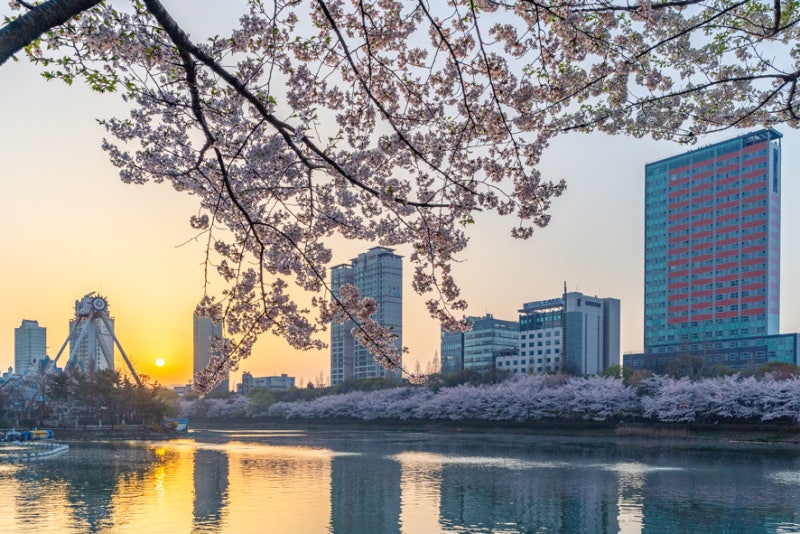
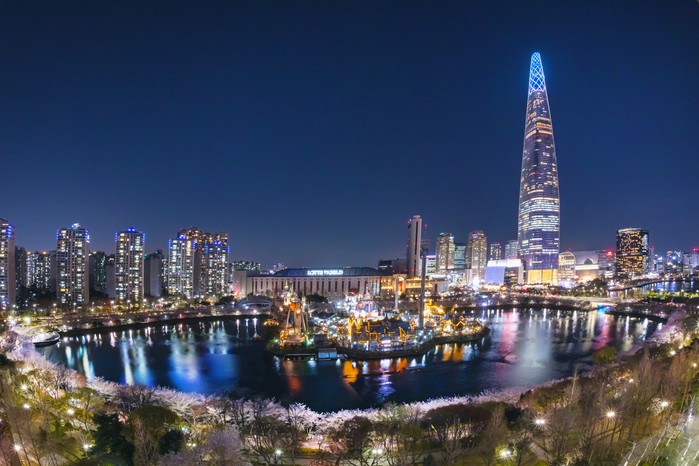
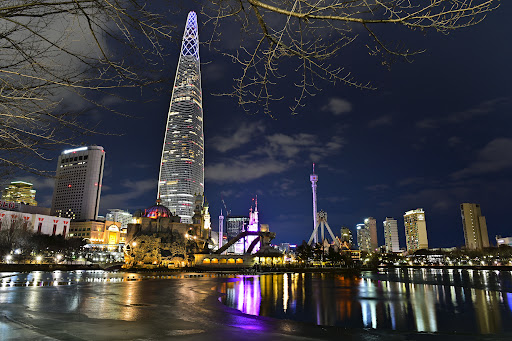
    • Seokchon Lake: A scenic lake surrounded by walking paths, especially beautiful in spring and autumn.
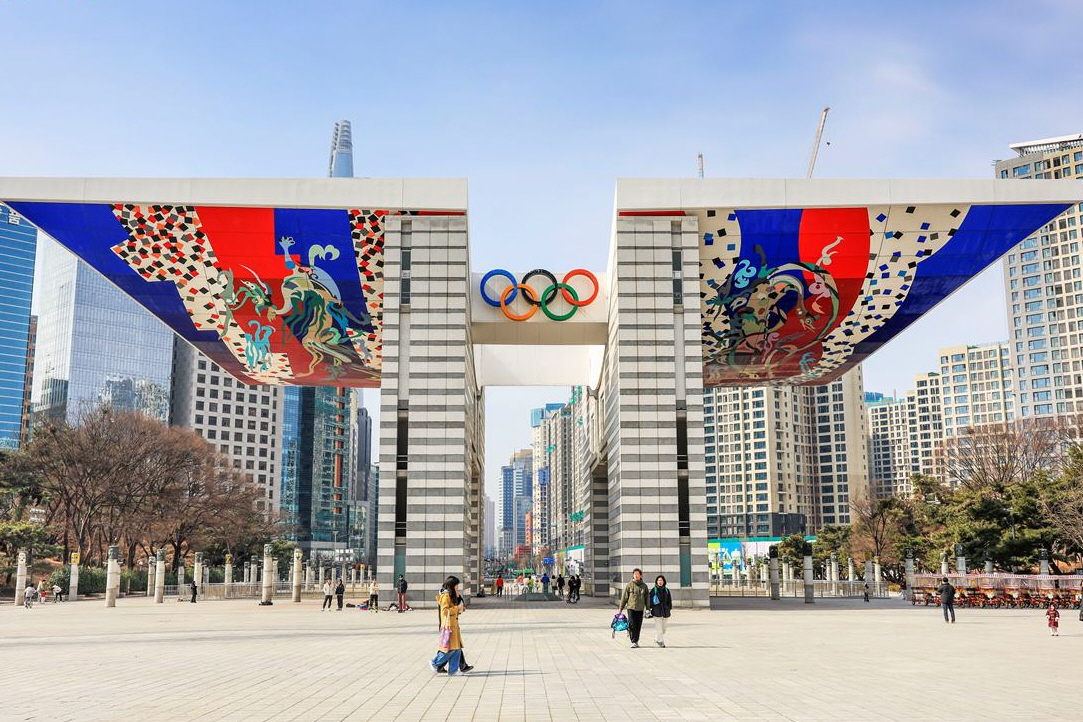
    • Olympic Park: Built for the 1988 Summer Olympics, it’s now a sprawling public park filled with sculptures, lakes, and wide walking trails.

    🗓️ Recommended Itinerary for Zone 4 (Starting at 10 AM)
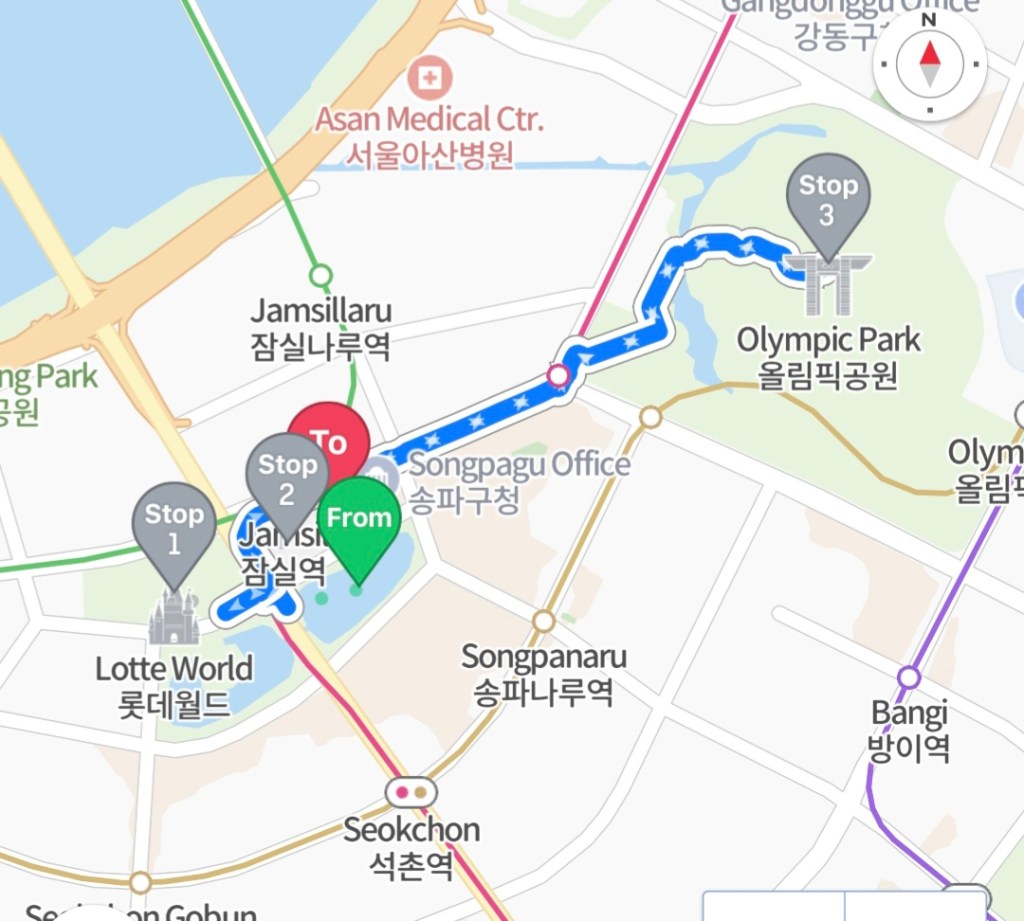
    🕙 10:00 AM – Morning Walk at Seokchon Lake
    Start your day with a leisurely walk around Seokchon Lake, enjoying its calm atmosphere and seasonal flowers.
    🕚 11:00 AM – Lotte World Adventure
    Spend a few hours enjoying rides and attractions at one of Korea’s most famous theme parks.
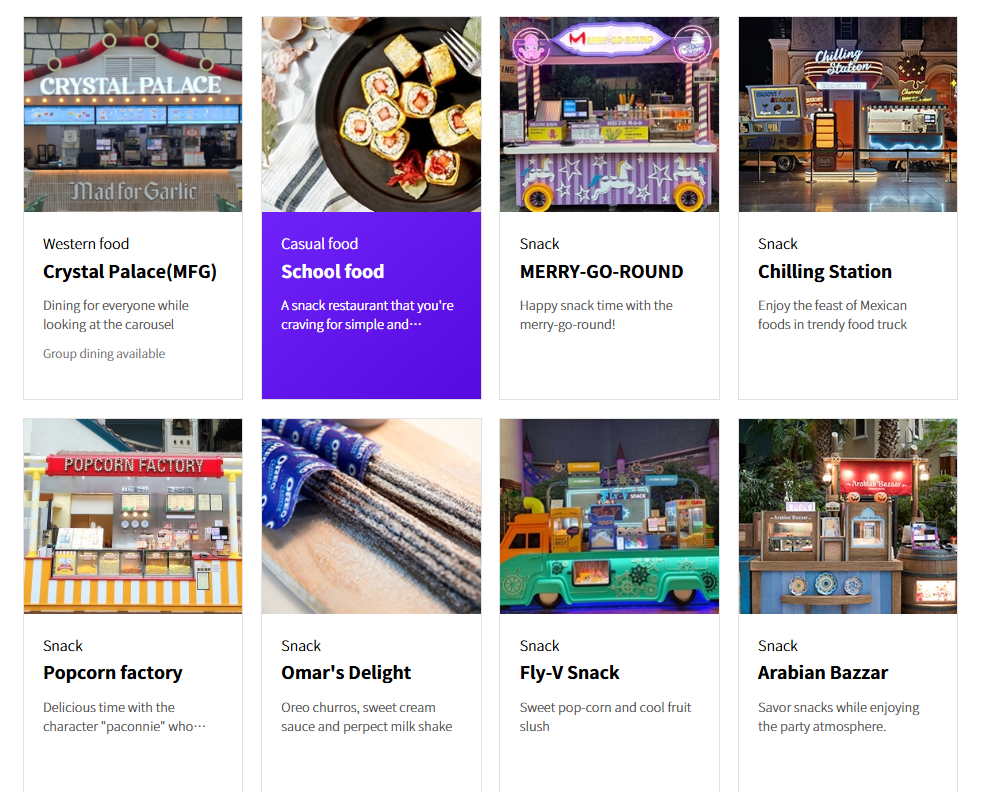
    🕒 2:00 PM – Lunch at a Nearby Restaurant
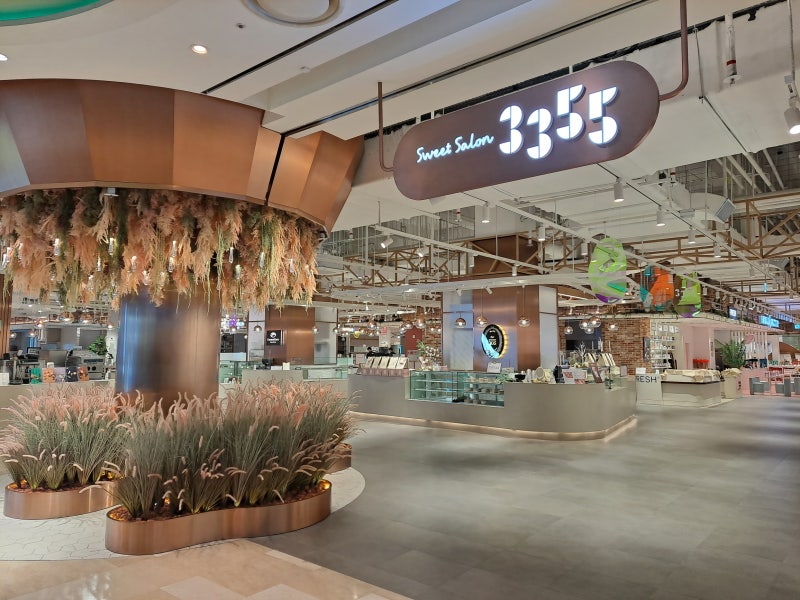
    There are plenty of dining options inside and around Lotte World Mall — from casual bites to gourmet meals. Check out the website for more shops and information! (Link)
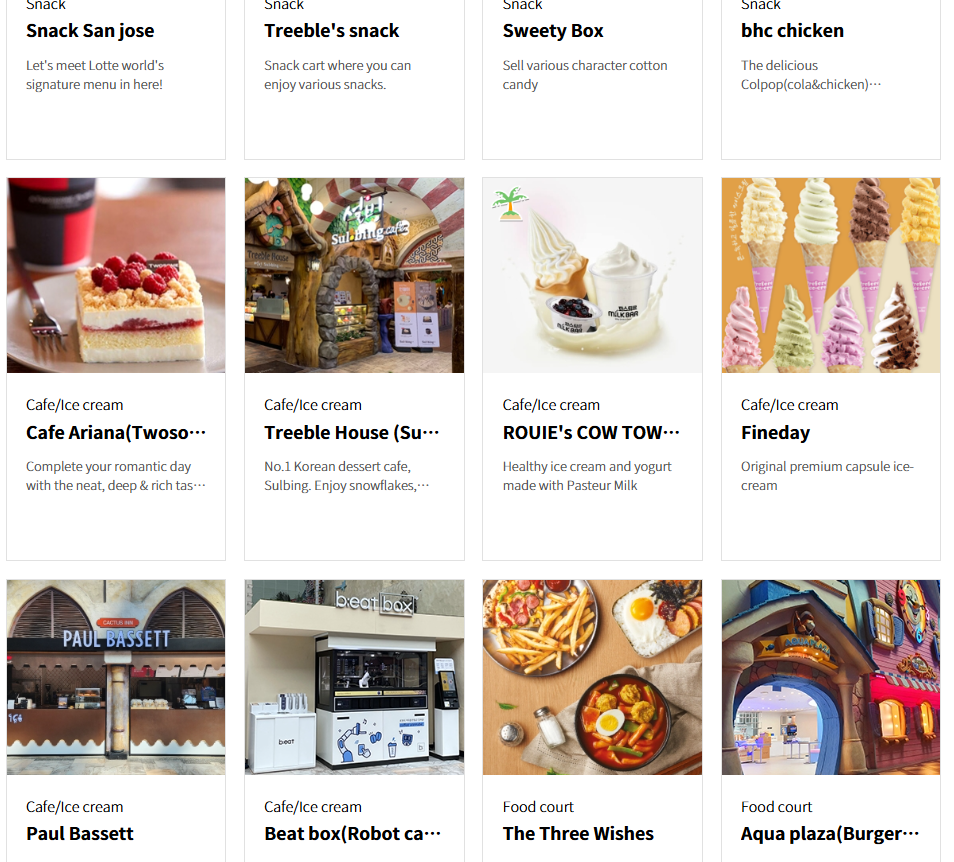
    🕓 3:30 PM – Lotte World Tower Observatory
    Head up to Seoul Sky on the 123rd floor for breathtaking city views.
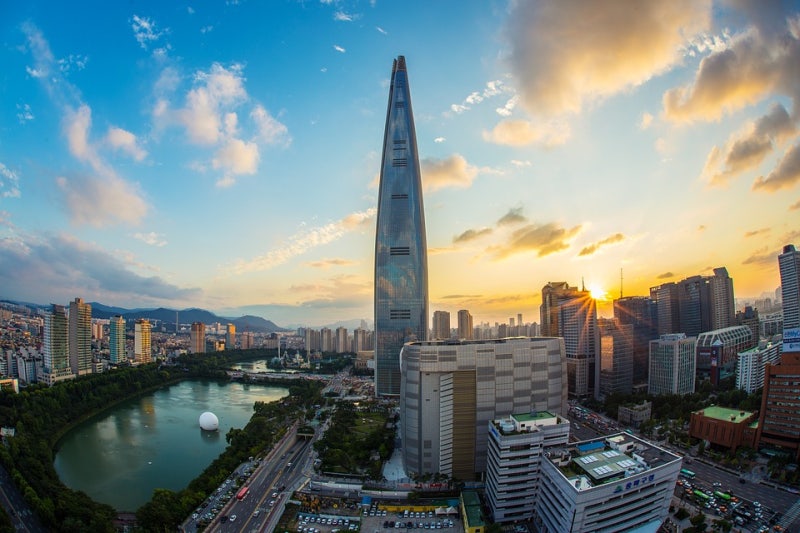
    🕔 5:00 PM – Olympic Park
    Take a relaxed walk through Olympic Park. Explore its outdoor sculptures, scenic gardens, and large open spaces, perfect for unwinding after a busy day.
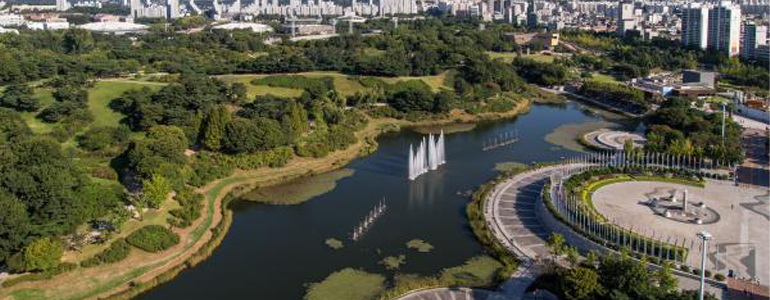
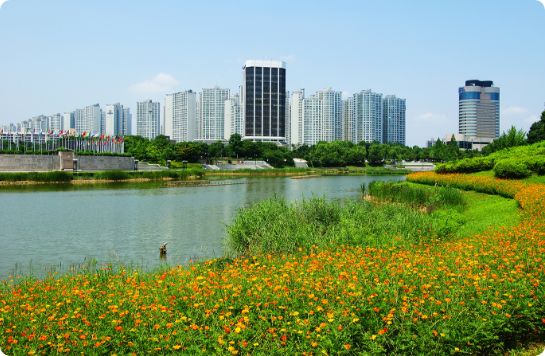
    🕕 6:30 PM – Explore Lotte World Mall
    Browse luxury and local brands, enjoy dessert at a café, or watch a movie.
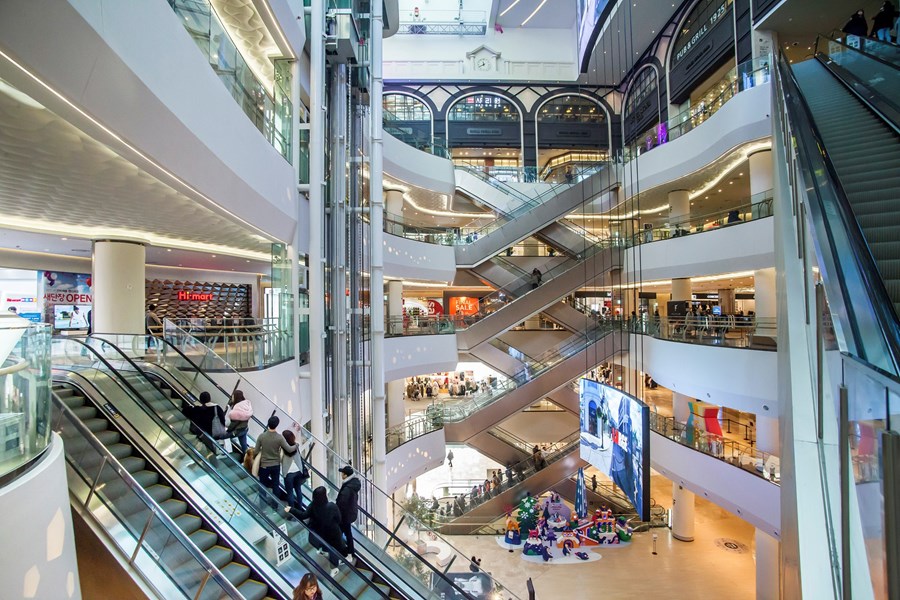
    🕗 8:00 PM – Evening by the Lake
    Return to Seokchon Lake for a nighttime stroll, when the lights from Lotte World Tower reflect beautifully on the water.
    Zone 5: Dongdaemun, Dongmyo & Gwangjang Market

    🛍️ Shopping · 🍜 Food

    Zone 5 is where tradition meets trend, blending some of Seoul’s most famous markets with vibrant shopping districts. Dongdaemun is known as a fashion hub, home to massive shopping malls and late-night markets. Dongmyo offers unique thrift shops and flea markets where you can hunt for vintage treasures. Just nearby, Gwangjang Market is a paradise for food lovers, with endless stalls serving authentic Korean street food and traditional dishes.

    Some must-visit spots in this zone include:

    • Dongdaemun Design Plaza (DDP): A futuristic landmark and cultural hub hosting exhibitions, events, and fashion shows.
    • Dongdaemun Night Market: Famous for staying open late, offering everything from fabrics to trendy clothes.
    • Dongmyo Flea Market: A quirky spot to shop for antiques, vintage clothes, and eclectic finds.
    • Gwangjang Market: One of Korea’s oldest markets, known for specialties like bindaetteok (mung bean pancakes) and mayak gimbap (mini rice rolls).

    🗓️ Recommended Itinerary for Zone 5 (Half-day Course)

    🕒 2:00 PM – Gwangjang Market
    Begin your afternoon by exploring Gwangjang Market. Sample iconic street foods such as bindaetteok (mung bean pancakes), mayak gimbap (mini rice rolls), or yukhoe (Korean beef tartare).

    🕓 3:30 PM – Dongmyo Flea Market
    Head over to Dongmyo to browse through vintage clothing, antiques, and quirky finds. It’s a lively spot to soak in local vibes.

    🕔 5:00 PM – Dongdaemun Design Plaza (DDP)
    Walk around the futuristic architecture of DDP. As evening falls, the LED rose garden and illuminated curves of the building create a great photo opportunity.

    🕕 6:30 PM – Dinner in Dongdaemun
    Enjoy dinner at a nearby local restaurant. Options range from Korean comfort dishes like kalguksu to casual Korean BBQ.

    🕗 8:00 PM – Night Shopping at Dongdaemun
    End your evening at Dongdaemun’s night markets and malls, where the energy peaks with late-night shopping, lights, and bustling crowds.
  • When visiting Korea for the first time, many foreign tourists find themselves surprised by unexpected cultural differences — not just in food or fashion, but in everyday social etiquette.

    Some behaviors that are completely natural in Korea might seem awkward or even rude to Westerners, and vice versa.

    This post introduces six of the most commonly misunderstood Korean social norms to help visitors better understand and navigate the culture comfortably and respectfully.


    1. Bowing as a Form of Greeting

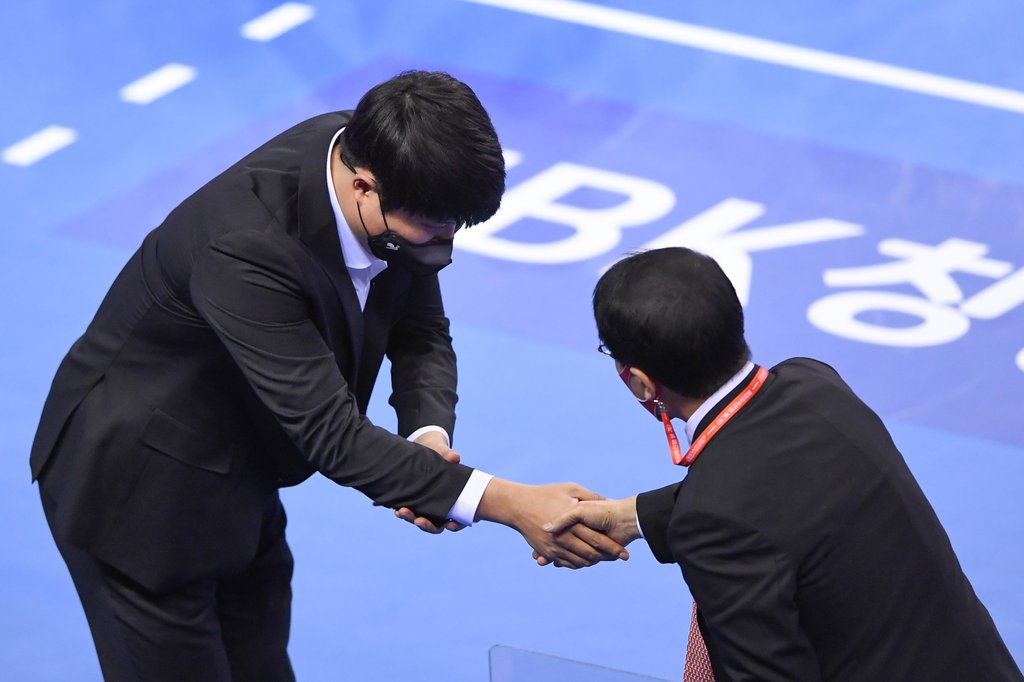
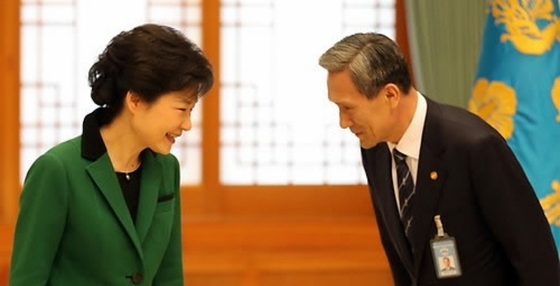
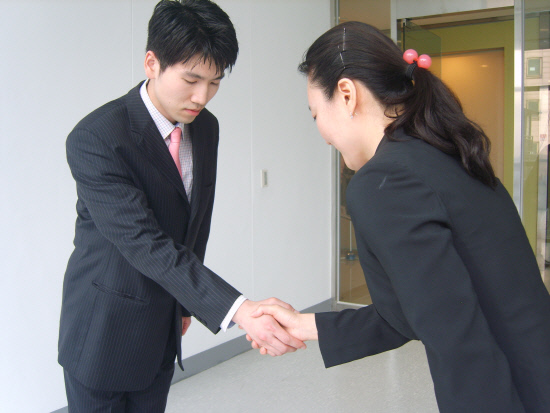
    In Korea, bowing is a standard way of showing respect when meeting someone, expressing gratitude, or apologizing. While this may feel unfamiliar or overly formal to those from Western cultures, it’s deeply rooted in Korean etiquette.

    In contrast, Westerners typically make eye contact and shake hands as a default greeting, so bowing can be misinterpreted as submissive or overly deferential. However, in Korea, even a light bow is seen as a polite and respectful gesture.

    The depth of the bow can also vary depending on the relationship. Among friends or peers, a slight nod is sufficient. But for elders or people of higher status (such as a boss or teacher), a deeper bow is more appropriate.

    In some situations — particularly in business settings or when meeting someone after a long time — it’s common to bow and shake hands simultaneously. This blend of gestures reflects both traditional and modern influences.

    Travel Tip Instead of waving, try offering a small bow when greeting someone in Korea. In formal situations, pair it with a handshake. Adjusting your bow to the context will leave a respectful impression.


    2. Asking Someone’s Age Is Normal

    In Korea, it’s common to ask someone’s age soon after meeting them — something that might feel overly personal or even rude in many Western cultures. However, this custom has deep cultural roots.

    It stems from Korea’s long-standing Confucian heritage, especially the concept of “Jang-yoo-yoo-seo” (長幼有序), which emphasizes respect for elders and maintaining social order based on age hierarchy. Knowing someone’s age helps determine appropriate language, behavior, and the overall tone of the interaction.

    Rather than being seen as invasive, asking for someone’s age is often considered a way of understanding how to treat the other person respectfully.

    Travel Tip Don’t be alarmed if someone asks about your age early in a conversation. It’s usually not meant to pry but to figure out how best to speak with and relate to you. If you’re uncomfortable answering, a polite smile and change of topic is perfectly acceptable.


    3. Responding to Compliments with Humility

    In many Western cultures, a compliment is often met with a smile and a “thank you.” In Korea, however, the typical response is modesty — and sometimes outright denial.

    For instance, if someone says, “You speak English really well,” a Korean person might respond, “No, I’m still not very good,” even if they’re fluent. This isn’t a lack of confidence — it’s cultural humility. Showing off or directly accepting praise is often frowned upon.

    This kind of modest response stems from the collectivist nature of Korean society, where humility and harmony are valued over self-assertion.

    Travel Tip When complimented by a Korean person, don’t be surprised if they downplay it. It’s not that they disagree — it’s simply a polite way of showing humility. You can still respond to compliments with a smile and sincerity, but don’t be offended if the other person humbly deflects yours.


    4. Asking Personal Questions Is Normal

    Questions like “Are you married?”, “Do you have kids?”, or “What’s your job?” might seem too personal to ask early in a conversation in many Western countries. But in Korea, these kinds of questions are commonly used to show friendly interest and build rapport.

    As a Korean myself, I once asked an American classmate, “How’s your love life going?” thinking it was a warm and friendly way to show interest in their personal happiness. But I was met with a sharp “None of your business,” and quickly realized how differently such questions are perceived.

    In Korea, asking about someone’s relationship status or family background isn’t always considered intrusive — rather, it’s seen as a sign of care or a way to find common ground.

    Travel Tip Don’t be too alarmed if a Korean acquaintance asks you something you consider private. It’s usually out of friendliness, not rudeness. If you feel uncomfortable, it’s okay to gently steer the conversation elsewhere.

    🎯 Cultural Difference Snapshot

    KoreaWestern Norms
    Asking about love life or marriage is commonSeen as intrusive or inappropriate
    Shows interest in well-being or social lifeConsidered too personal for early conversation
    Intention is bondingPerceived as nosy or pushy

    5. “Have You Eaten?” as a Greeting

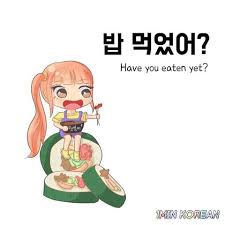
    In Korea, it’s common to hear “밥 먹었어요?” (bap meogeosseoyo? — “Have you eaten?”) as a greeting, especially among friends, family, or coworkers. It’s not necessarily about food — it’s a culturally affectionate way of asking “How are you?”

    Westerners may find this confusing. They may wonder why Koreans are always asking about meals or whether it’s an invitation to eat together. In most cases, it’s neither.

    This stems from a history where food scarcity was common, so showing concern about someone’s eating habits meant you cared about their well-being.

    Travel Tip If someone asks you “Have you eaten?” they probably aren’t inviting you to lunch — they’re just being friendly. A simple “Yes, thank you” (even if you haven’t eaten!) is a perfectly fine answer.


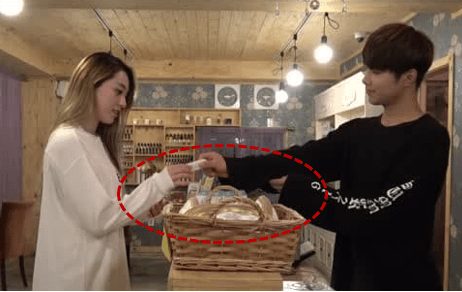
    6. Using Two Hands to Give or Receive Items

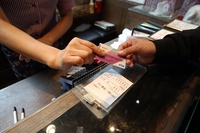
    When giving something to someone in Korea — especially to an elder, teacher, or anyone in a higher position — using both hands is a basic sign of respect. It’s more than just a gesture; it’s a reflection of humility and courtesy.

    For example, when handing over your ID, credit card, or a gift, using both hands is considered proper etiquette. Offering something with just one hand, even unintentionally, can come across as careless or impolite.

    Foreign visitors often make mistakes here, particularly because in many Western countries, passing something with one hand is perfectly acceptable. As a result, they may be surprised by a seemingly stiff or formal reaction from Koreans.

    But in Korea, intentions are read through actions, and using two hands shows that you’re sincere and respectful.

    Travel Tip When giving or receiving something from an elder or staff member, always use both hands. If your hands are full, you can support your arm or wrist with your free hand — it still shows the right level of respect.

    While cultural differences can initially feel awkward or even confusing, they’re also opportunities for connection and learning. Understanding Korean social etiquette not only helps you avoid unintentional faux pas, but also shows your willingness to engage meaningfully with the local culture.

    Whether you’re bowing politely, handing over your card with both hands, or answering a seemingly personal question with a smile, these small gestures go a long way in building mutual respect and friendship during your stay in Korea.


  • With the global rise of K-pop and K-dramas, interest in K-food is growing rapidly as well. Korean cuisine is not only delicious but also considered healthy, which makes it even more appealing around the world.

    As people grow to love Korean food, they naturally become curious about the dining customs and restaurant culture in Korea. But when visiting Korea for the first time, many foreign tourists find themselves confused—not by the food, but by the different ways meals are ordered, served, and paid for.

    So in this post, we’ll look at six common cultural differences in dining that often surprise or confuse foreign visitors. If you know these ahead of time, your trip to Korea will be much smoother and more enjoyable!

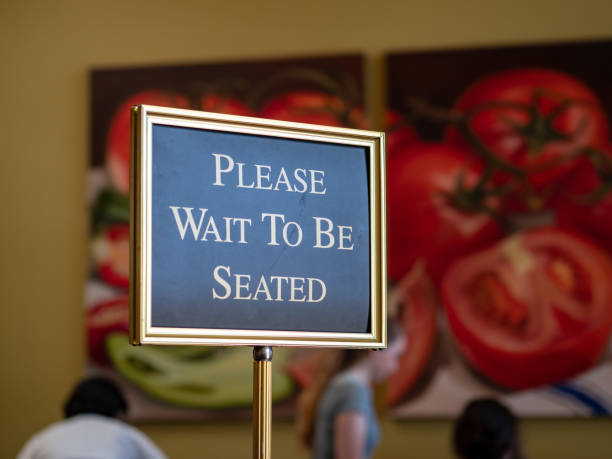
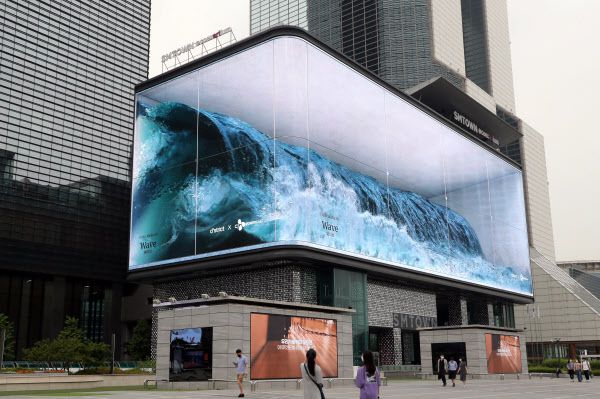
    1. Seat Yourself — Don’t Wait to Be Guided
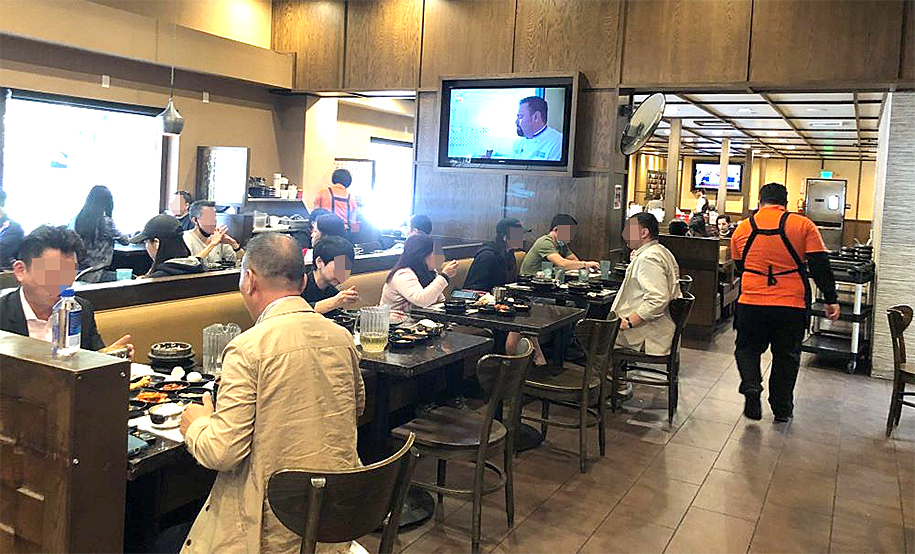
    In many Korean restaurants, customers are expected to find their own seats instead of being guided by staff. In Western countries, it’s common for a host or server to greet guests and lead them to a table, so walking into a Korean restaurant and seating yourself might feel awkward or even rude.

    However, this isn’t the case in every restaurant. In more upscale or reservation-based places, staff will often ask how many people are in your group and guide you to a table. Even in casual spots, if it’s particularly busy or there seems to be a wait, it’s normal to ask a server if seating is available.

    But when there’s no clear host and plenty of open tables, it’s perfectly normal — and even expected — to simply seat yourself and start looking at the menu. This reflects Korea’s culture of fast and efficient dining.

    💡 Travel Tip If a table is open, it’s perfectly polite to seat yourself without waiting. In more formal or crowded restaurants, check with a server first, but don’t feel awkward about taking the lead.


    2. Call the Server Yourself — Or Use a Button

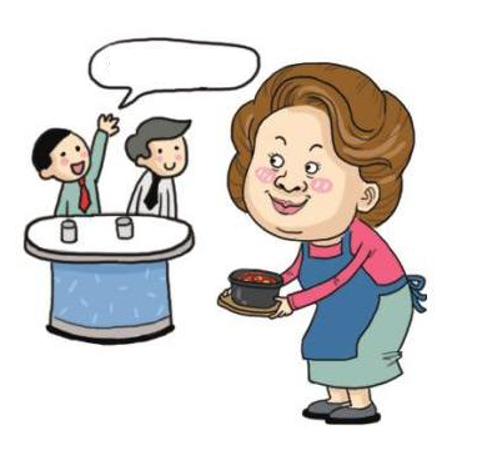
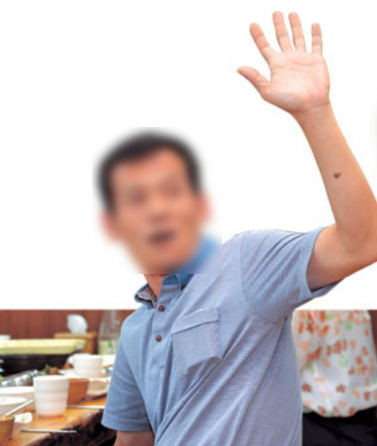
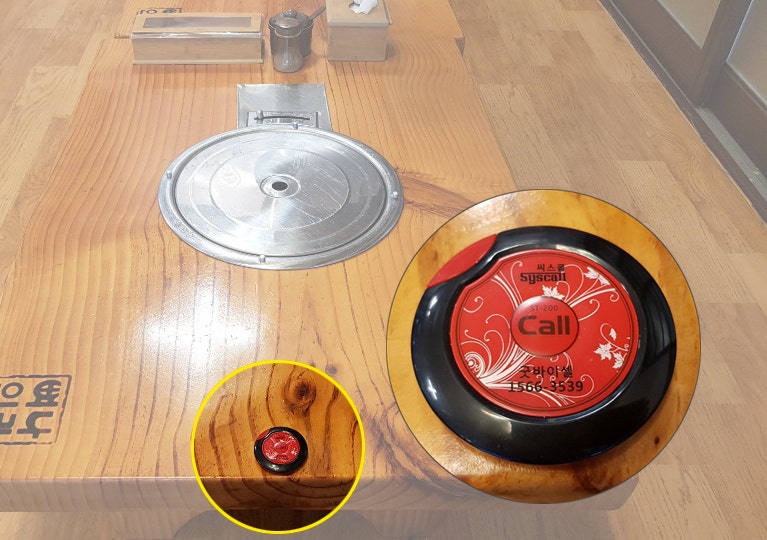
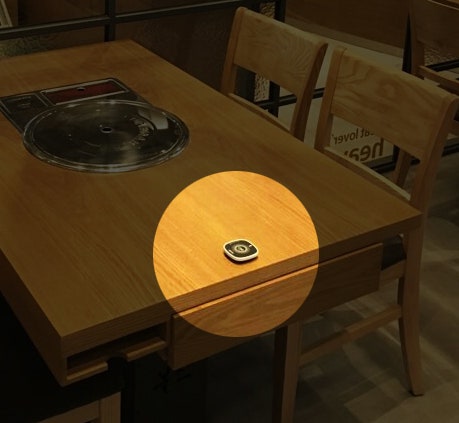
    In most Korean restaurants, servers don’t come to your table unless you call them. You’re expected to press a call button on the table (if available) or raise your hand to get their attention. Many foreign tourists sit and wait, expecting a server to approach — but this may never happen.

    This system comes from Korea’s focus on efficiency and minimal interruption. Rather than hovering or checking in frequently, servers respond only when needed. It’s seen as polite not to disturb guests unless called.

    More recently, many restaurants have introduced kiosks or tablets for self-ordering to reduce labor costs and prevent errors. Interestingly, these systems often include language options, making them even more accessible for foreign visitors.

    💡 Travel Tip If you see a button on the table, don’t hesitate to press it. If there’s a tablet or kiosk, look for a language setting — it’s often easier than talking!


    3. No Mid-Meal Check-Ins — That’s Normal Here

    In Western countries, servers often check in during the meal — asking how the food is, offering refills, or just chatting. This adds to the sense of being looked after.

    In Korea, however, servers rarely return to the table unless you call them. Once your food is served, it’s common for the staff to leave you alone — not out of neglect, but as a form of respect for your dining experience.

    Excessive interruptions or chatting from the staff may be seen as intrusive rather than helpful. The norm is to call when needed, not to expect proactive check-ins.

    💡 Travel Tip If no one checks on you during the meal, don’t take it personally! Just press the call button or raise your hand if you need anything — that’s how it works here.


    4. Free Side Dishes — And They’re for Sharing

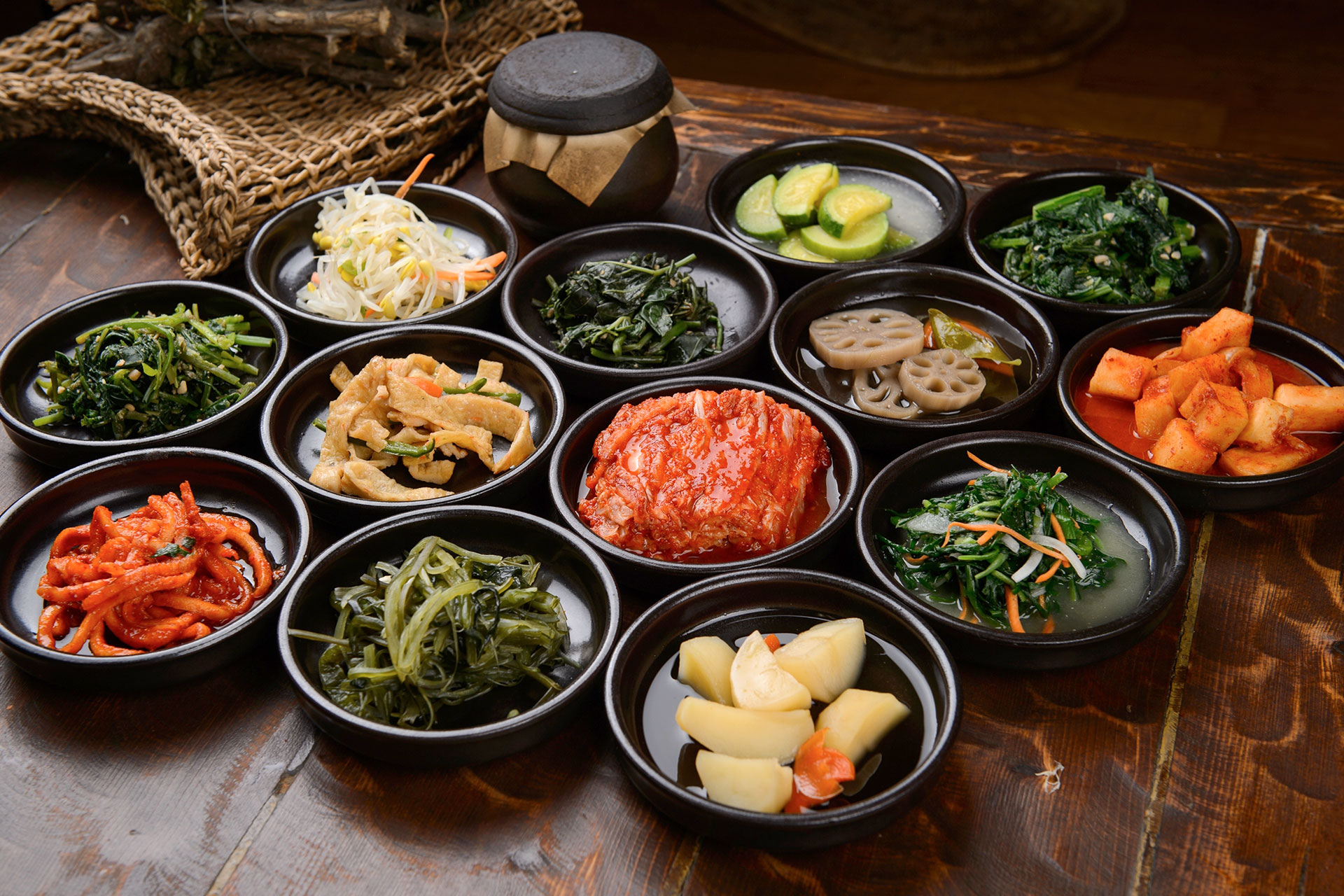
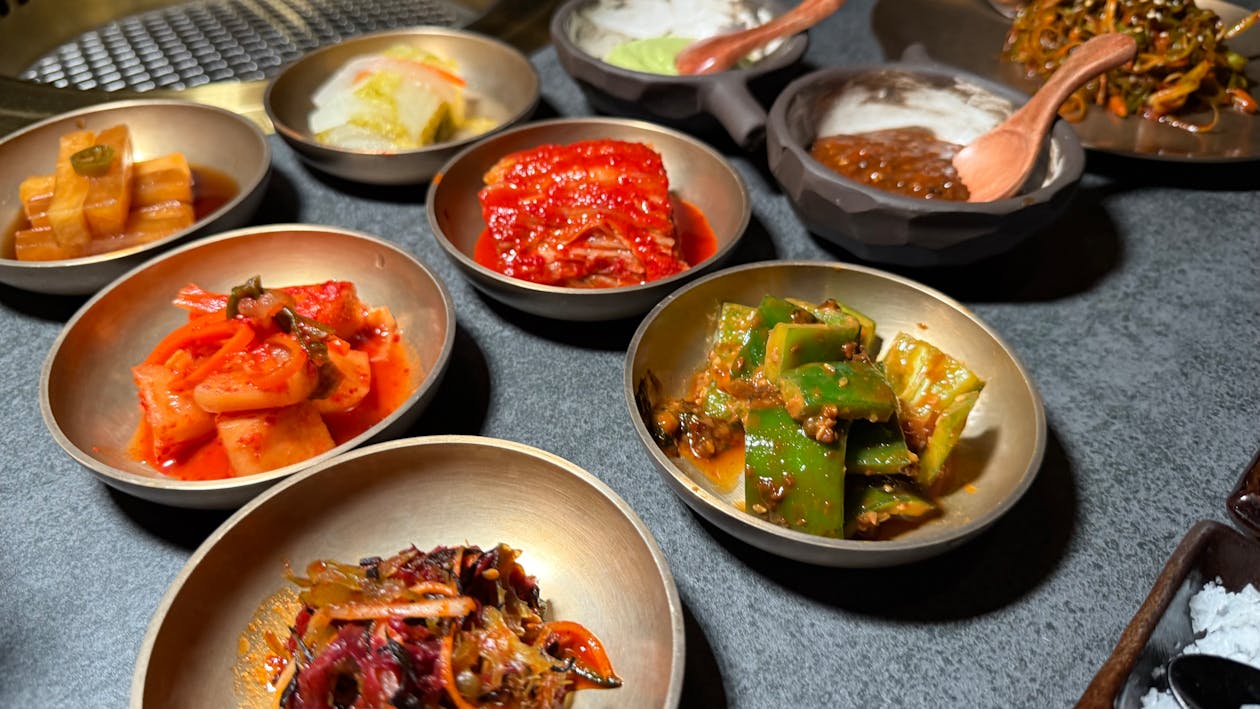
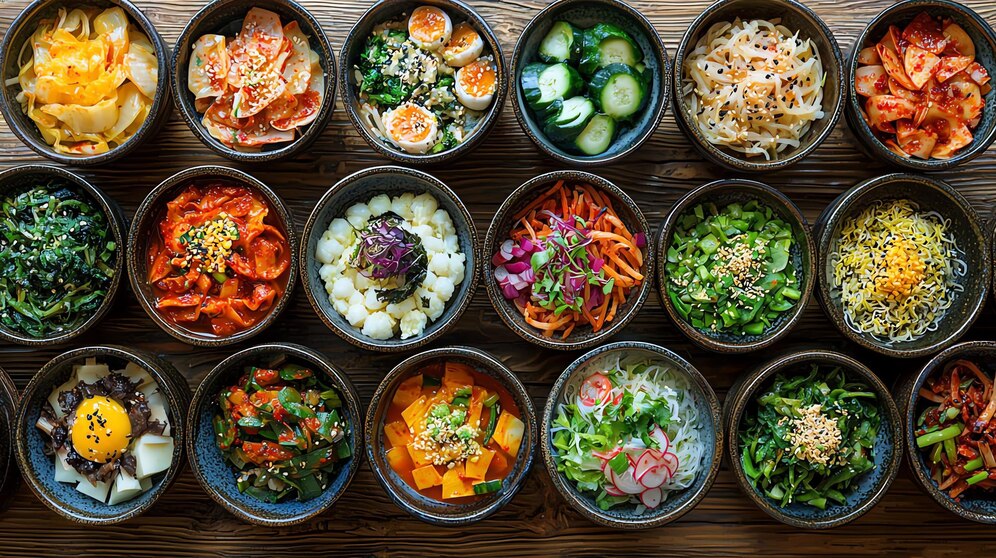
    In Korea, meals often come with a variety of free side dishes (banchan) — things like kimchi, seasoned vegetables, or steamed egg. These are included at no extra charge and can feel like a bonus for foreign guests.

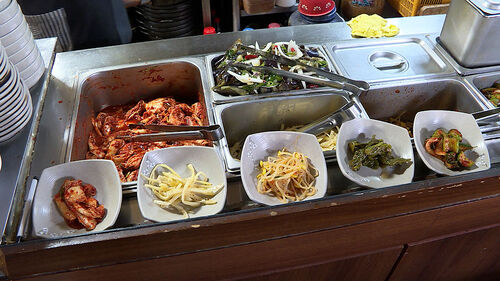
    Most restaurants will also refill your banchan if you ask. In some cases, there’s even a self-serve station where you can help yourself.

    This system highlights the cultural values of efficiency and sharing. Unlike the West, where sides are usually individual, banchan is served for the whole table to share — it’s not meant to be “yours” alone.

    Still, some visitors might be puzzled by dishes they didn’t order or wonder if they’ll be charged.

    💡 Travel Tip Side dishes are free, and you can ask for more. If there’s a self-serve station, go ahead and help yourself — and don’t worry, there’s no extra charge!


    5. Pay at the Counter — and Don’t Expect a Paper Signature

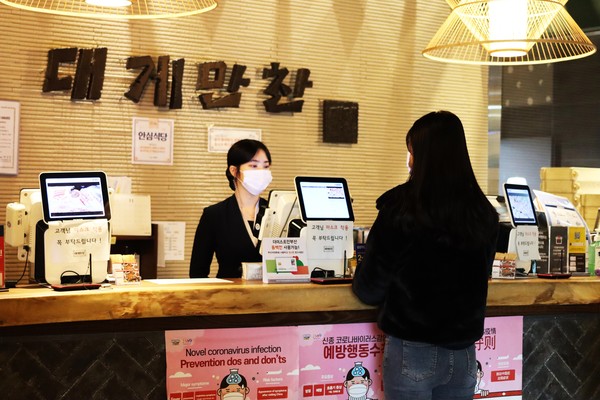
    In Korea, you typically pay at the counter after your meal rather than settling the bill at the table. In contrast to the West, where a server brings the check and handles payment tableside, Korean restaurants expect you to walk up and pay directly.

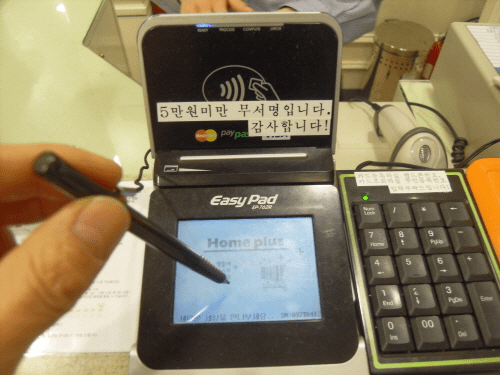
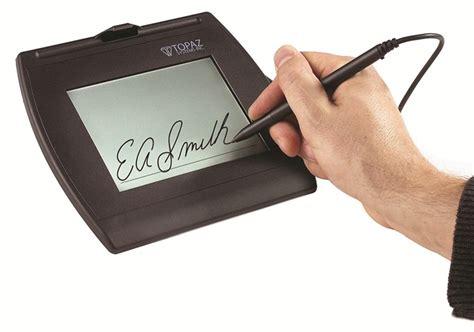
    Also, signature requirements are rare. By law, only transactions over 50,000 KRW require a signature — and even then, you sign on a digital pad at the counter, not a paper receipt.

    Some foreign visitors may feel uncomfortable when a server signs on their behalf or when no signature is requested. It can feel like a privacy violation.

    However, in Korea, it’s understood that handing over your card, being present, and approving the total in real-time constitutes consent. Speed and convenience are cultural priorities, and handwritten signatures aren’t considered a critical security step.

    Since most transactions are instantly authorized, this approach has become normal and trusted. Of course, if you’d prefer to sign yourself, simply ask — most places are happy to accommodate.

    💡 Travel Tip When you’re ready to pay, go to the counter and say “계산이요 (gyesan-iyo)” or just hand over your card. If asked to sign, it’s probably over 50,000 KRW — and you’ll use a digital screen, not paper.


    6. Tipping Isn’t Expected — It Can Even Feel Awkward

    In many Western countries, it’s customary to leave a tip after eating at a restaurant, having coffee, or taking a taxi. Especially in places like the U.S. or Canada, where service charges are not always included, tipping is seen as a standard way to reward good service.

    However, in Korea, tipping is not part of the culture at all. Most restaurants, cafes, and taxis already include service charges in their prices, and offering extra money is very rare. In fact, trying to tip may cause confusion — and in many cases, the staff will politely refuse. This reflects the cultural idea that service is included as a given, and that the relationship between customer and worker is more equal.

    There’s no need to offer any money beyond what’s on the bill. If you receive kind service, simply saying “thank you” or giving a warm smile is more than enough to show your appreciation.

    💡 Travel Tip On rare occasions, some dishonest vendors may try to ask for a tip from foreign tourists. If this happens, know that they are acting greedily, and this behavior is not part of Korean culture. Just walk away — tipping is never required in Korea.


    Dining in Korea can be a delightful experience — full of delicious food, fast service, and unique traditions. But if you’re used to Western dining norms, these cultural differences can come as a surprise.

    From seating yourself and calling the server, to sharing free side dishes and paying at the counter, every step of the dining process reflects Korea’s cultural values: efficiency, respect, and practicality.

    Rather than seeing these differences as confusing or awkward, try to view them as part of the adventure. Knowing what to expect can turn potential stress into confidence, and help you better enjoy everything Korean food culture has to offer.

    So next time you step into a Korean restaurant, you’ll not only know what to eat — but how to dine like a local!

  • If you’ve watched K-pop Demon Hunters on Netflix, chances are you were just as obsessed with the badass demon-slaying K-pop idols as you were with the amazing locations they ran, danced, and fought through. The good news? A lot of those places are real—and you can visit them right here in Seoul!

    This guide is for fans like you who loved the show and are either already exploring Korea or planning your dream trip. We’re going to take you on a little tour of some of the actual Seoul locations featured in K-pop Demon Hunters, and show you how those familiar scenes from the screen come alive in real life. Think of it as your personal travel map through the heart of Seoul—blending the magic of the show with the charm of the real city.


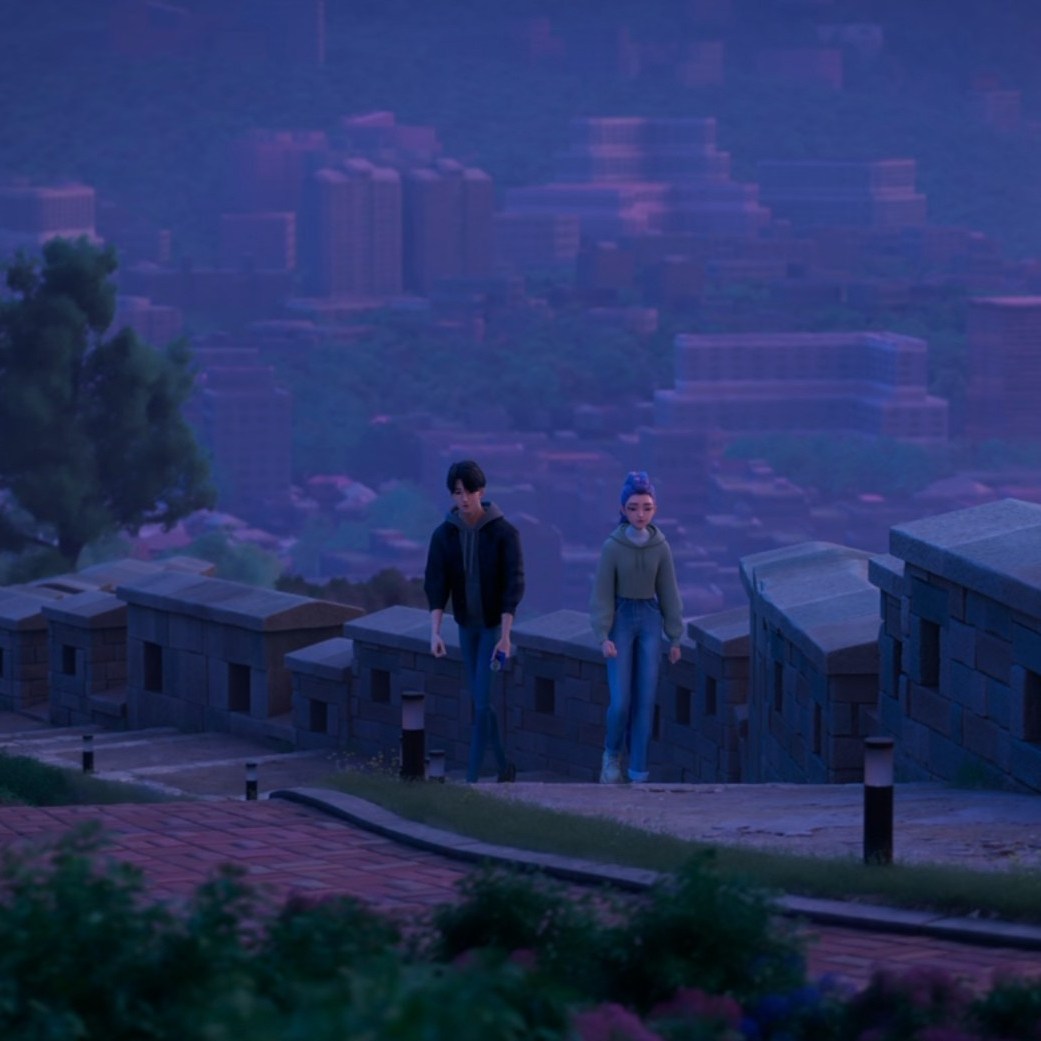
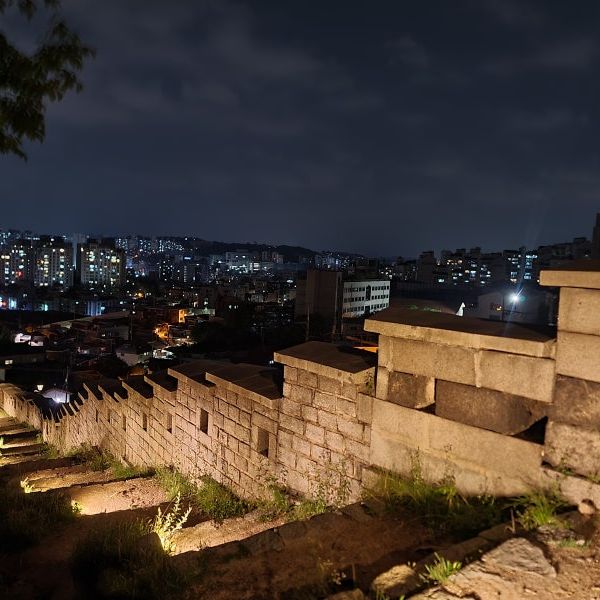
    1. Naksan Park (낙산공원)

    This peaceful hilltop park in central Seoul offers one of the best panoramic views of the city, especially during sunset. Its walking trails wind along the old fortress wall, creating a quiet and romantic atmosphere that contrasts with the city’s hustle and bustle.

    In K-pop Demon Hunters, Naksan Park is where Rumi and JinU meet for the second time—a key moment that hints at their growing connection. It’s no coincidence the producers chose this spot; even in real life, it’s one of Seoul’s top date spots. Locals love it for late-night strolls, cozy chats on the benches, and of course, that iconic night view of the city lights.

    📍 Address: 41 Naksan-gil, Jongno-gu, Seoul


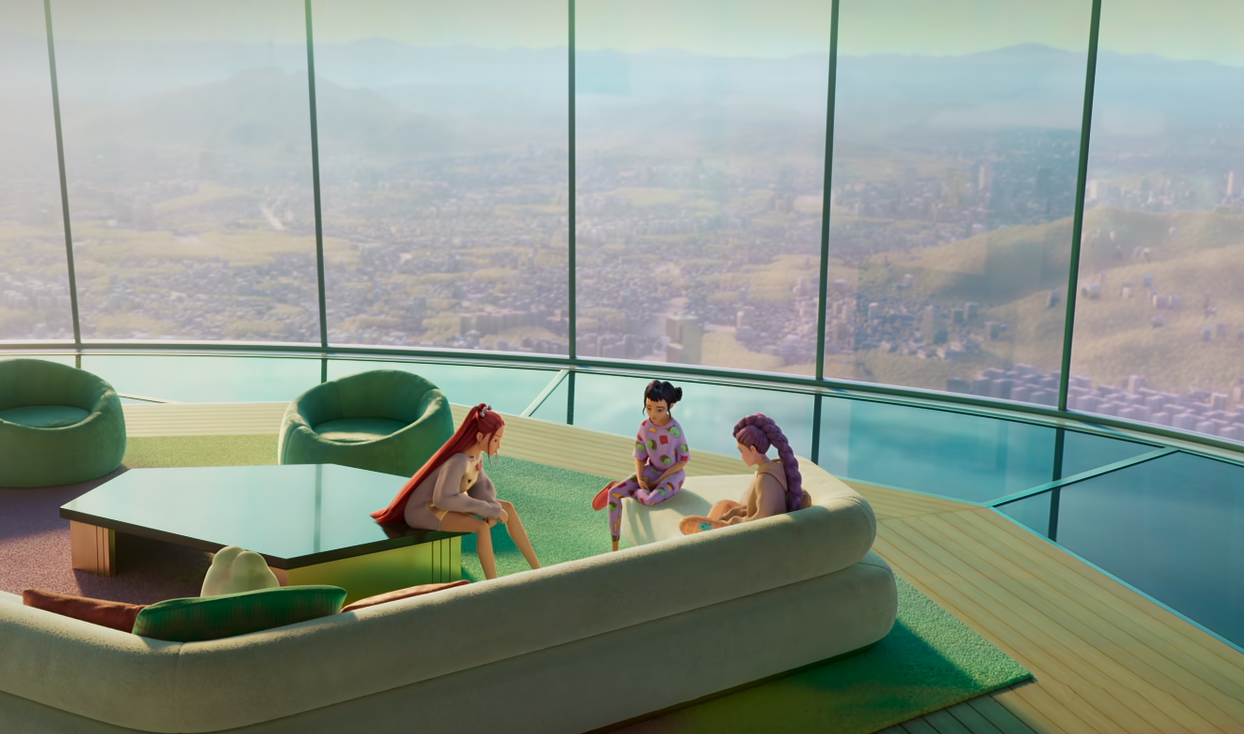
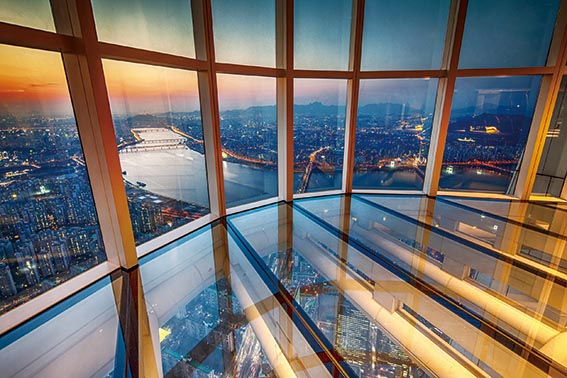
    2. Seoul Sky (서울스카이)

    Located at the top of Lotte World Tower—the tallest building in Korea—Seoul Sky offers breathtaking 360-degree views of the entire city. From here, you can see the Han River slicing through the city, the clustered skyscrapers of Gangnam, and even the distant mountains that frame Seoul.

    In K-pop Demon Hunters, this sky-high observatory is reimagined as the sleek and secretive hideout of the HUNTER/X. With its futuristic design and unbeatable view, it perfectly matches the mysterious, elite vibe of their group. It’s easy to see why they chose this location—it feels like it’s floating above the city, far removed from the chaos below.

    Beyond the tower itself, the surrounding area is also worth exploring. The nearby Seokchon Lake Park is a calm oasis perfect for a relaxing walk after your sky-high adventure.

    📍 Address: 300 Olympic-ro, Songpa-gu, Seoul


    3. Seoul Olympic Stadium (서울올림픽주경기장)

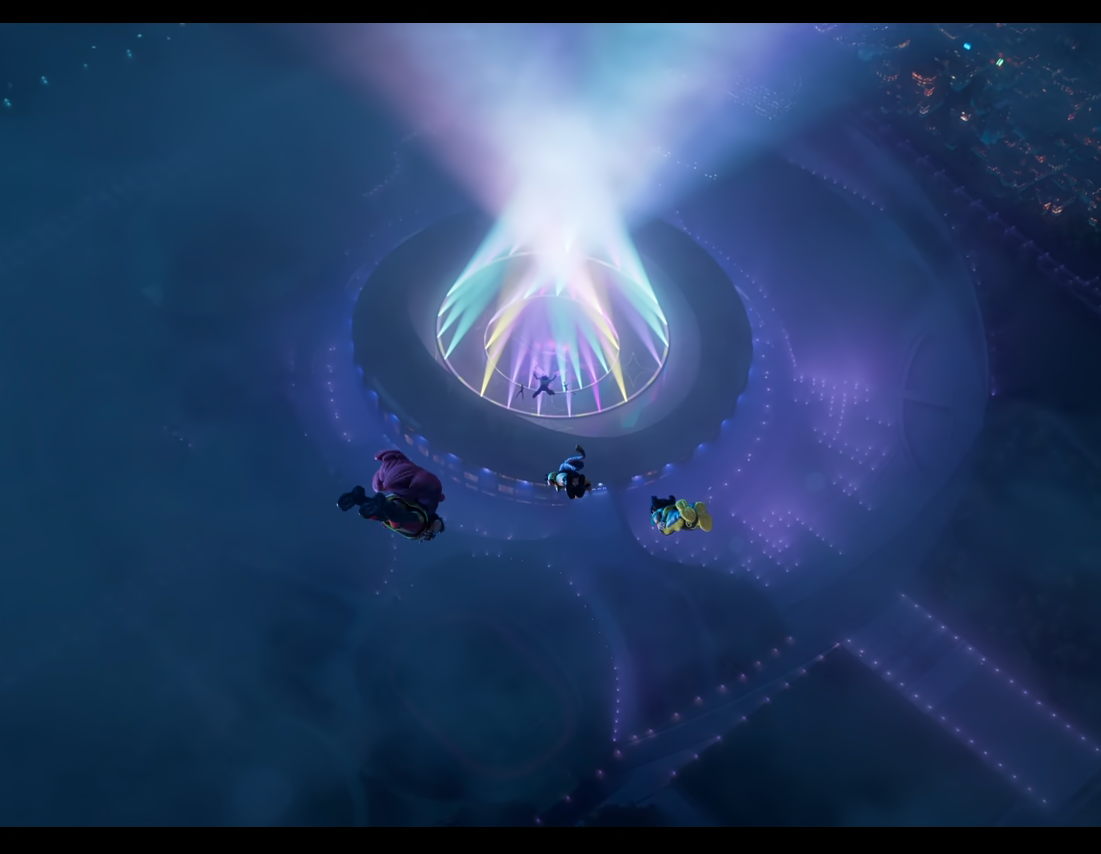
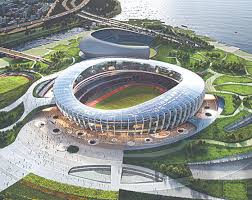
    Built for the 1988 Summer Olympics, this massive stadium is a symbol of modern Korean history and one of the country’s most iconic concert venues. With its grand scale and open design, it’s hosted countless legendary performances by K-pop superstars.

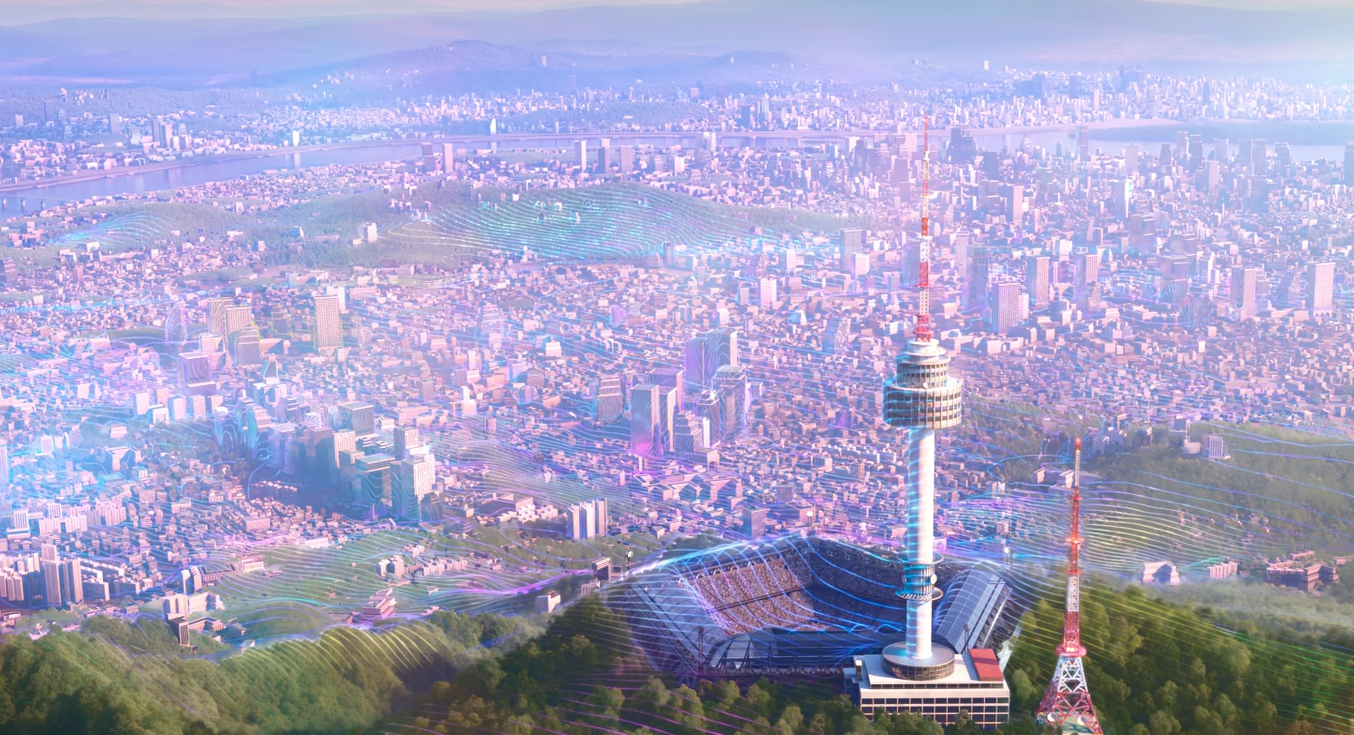
    In K-pop Demon Hunters, this is where HUNTER/X performs their concerts in the show. Watching that scene, it’s easy to imagine the real-life energy of thousands of fans cheering under the lights.

    Even when there’s no concert, the area around the stadium is worth visiting, especially if you’re a fan of K-pop history and large-scale entertainment culture.

    📍 Address: 25 Olympic-ro, Songpa-gu, Seoul


    4. Bukchon Hanok Village (북촌한옥마을)

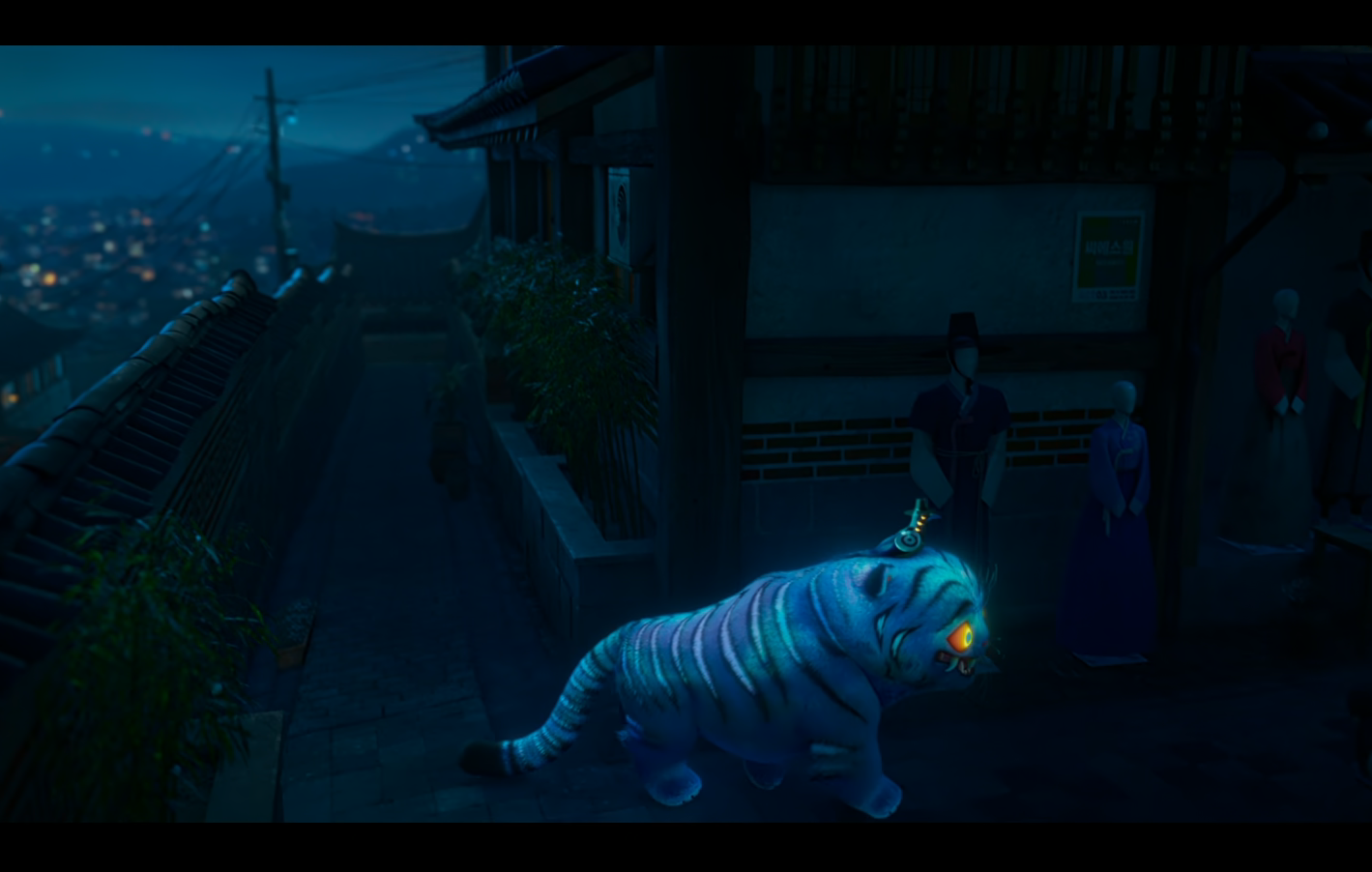
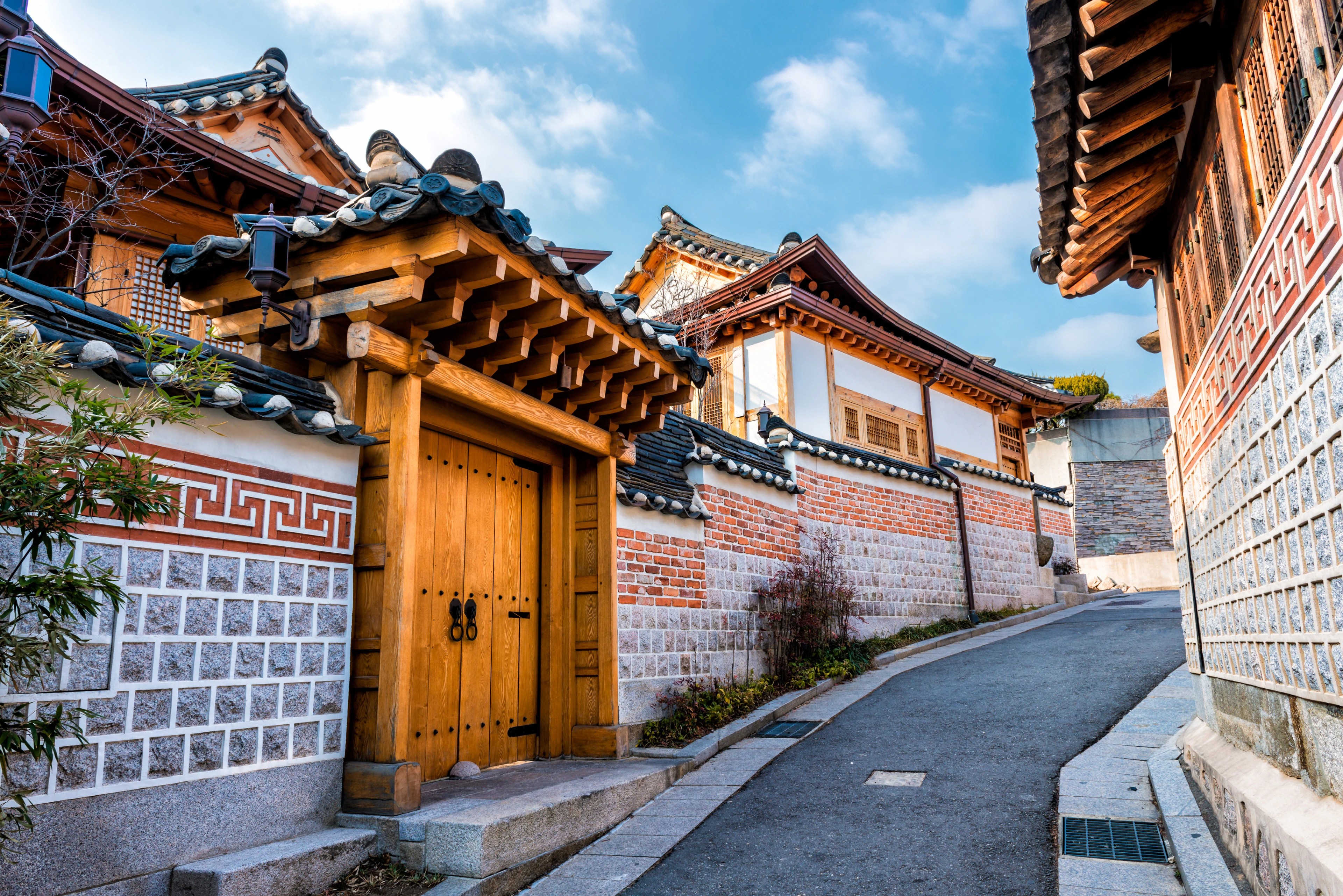
    Tucked between two of Seoul’s most popular palaces, Bukchon Hanok Village is a neighborhood filled with traditional Korean houses known as hanok. The narrow alleys and tiled rooftops give you a glimpse of old Seoul, and it’s one of the most photographed places in the city—for good reason.

    In K-pop Demon Hunters, this village becomes the setting for a quiet, emotional scene where Rumi and JinU meet at night in a hidden corner. The soft lighting and historical backdrop add to the tension and intimacy of the moment.

    Bukchon is especially popular with international visitors who want to experience a more traditional side of Korea, all while being just minutes from the city center.

    📍 Address: 37 Gyedong-gil, Jongno-gu, Seoul


    5. Namsan Seoul Tower (남산서울타워)

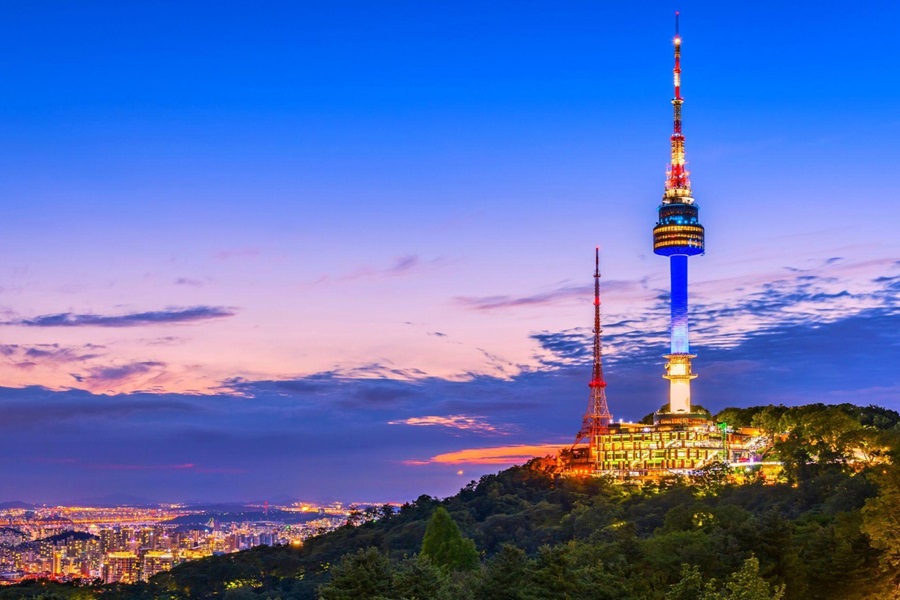
    Perched on top of Namsan Mountain, this iconic tower offers one of the most classic and romantic views of Seoul. You can get there by hiking, taking a bus, or riding the scenic Namsan cable car—either way, the view from the top is totally worth it.

    Throughout K-pop Demon Hunters, Namsan Seoul Tower appears in wide shots that showcase the city’s skyline, making it a subtle but constant symbol of Seoul itself. Whether it’s during an intense rooftop battle or a quiet moment of reflection, the tower often anchors the scene visually.

    The observatory at the top gives you a full 360-degree view of the city, and the surrounding park is a popular spot for locals and tourists alike, especially in the evening.

    📍 Address: 105 Namsangongwon-gil, Yongsan-gu, Seoul


    6. Samseong Station Exit 6 (삼성역 6번 출구)

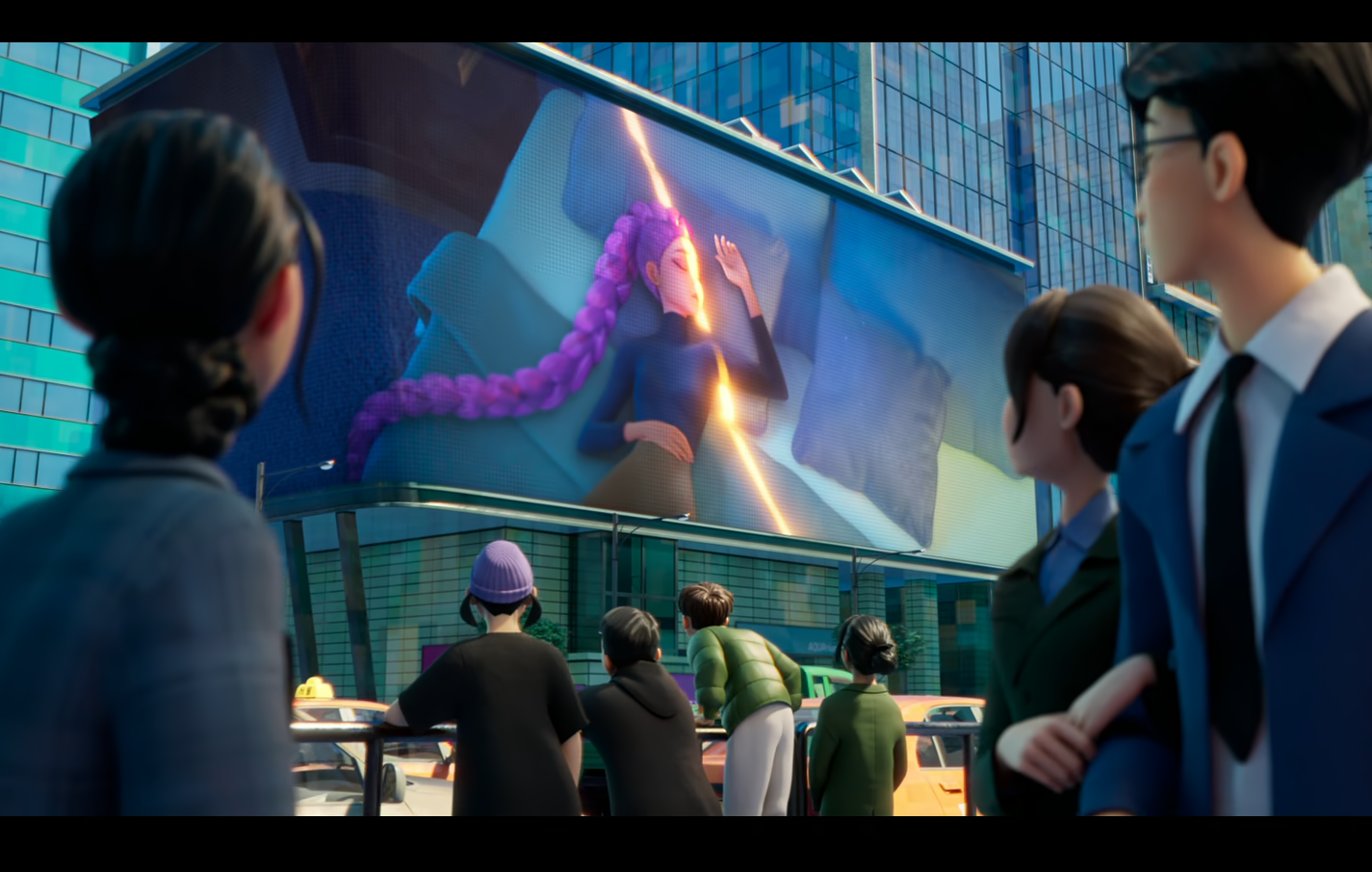
    Right in the heart of busy Gangnam, Samseong Station Exit 6 is surrounded by flashing lights, massive buildings, and non-stop foot traffic. It’s the kind of place that feels like Seoul’s version of Times Square—modern, fast-paced, and full of energy.

    In K-pop Demon Hunters, this location is where the flashy billboard plays the music video for their new single ‘Golden’ by HUNTER/X. It’s a blink-and-you-miss-it moment, but fans will recognize the screen immediately if they visit in person.

    📍 Address: 513 Yeongdong-daero, Gangnam-gu, Seoul


    7. Cheongdam Bridge (청담대교)

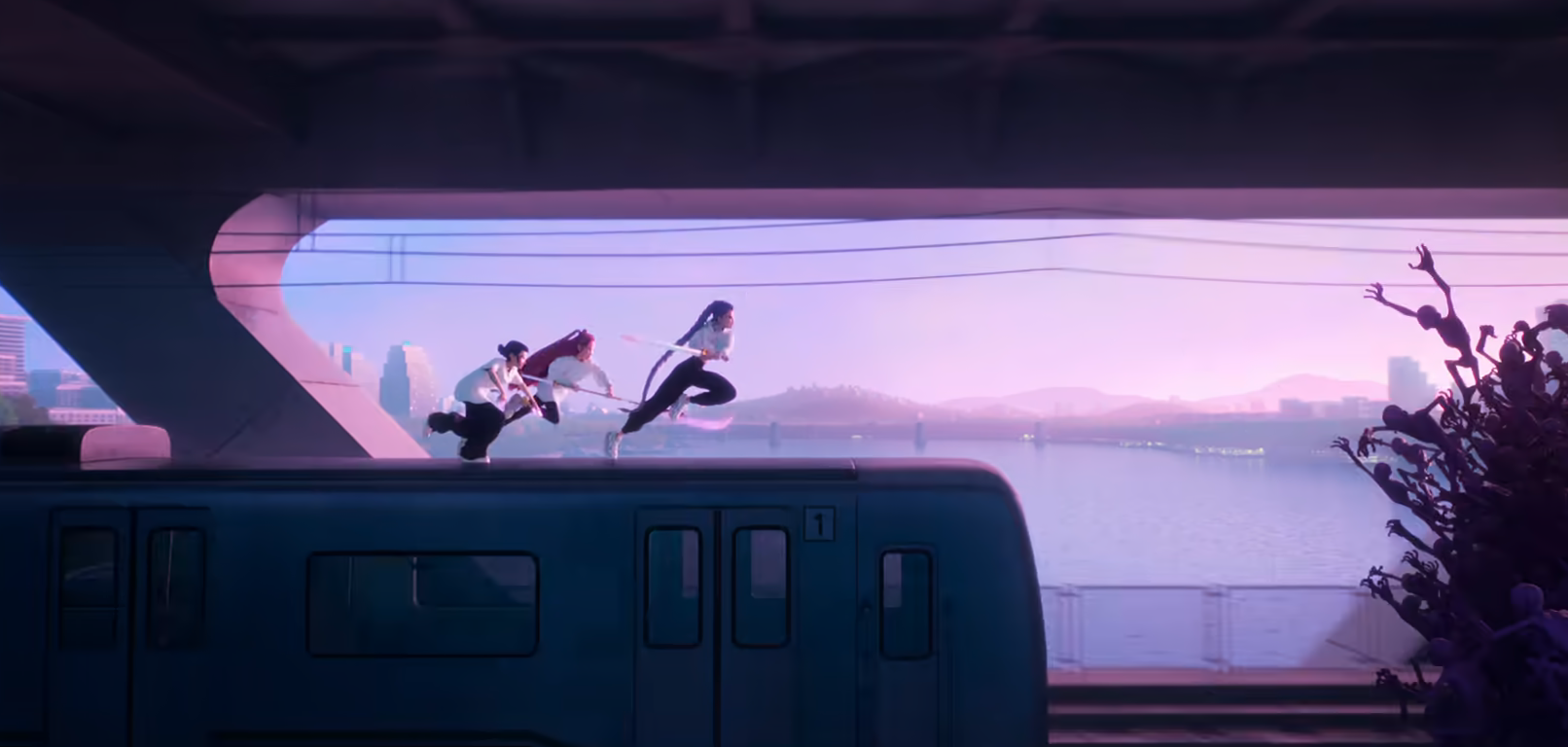
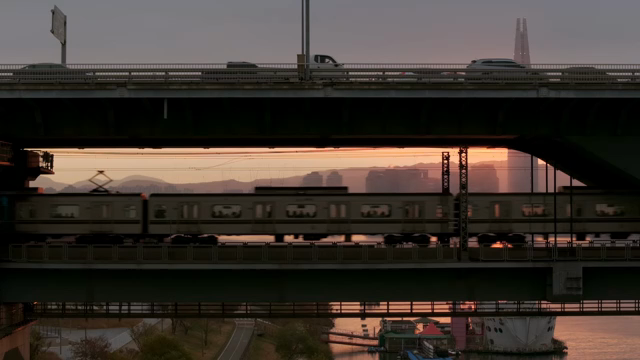
    Cheongdam Bridge connects the trendy neighborhoods of Gangnam and Songpa over the Han River, and it’s not just for cars—it also carries a subway line beneath it. That unique underground tunnel became the dramatic setting for one of K-pop Demon Hunters‘ most intense action scenes: the battle between HUNTER/X and a swarm of demons.

    With the roaring river below and the city lights above, the bridge creates an eerie and cinematic atmosphere that perfectly suits a supernatural showdown.

    📍 Address: Cheongdam Bridge, Gangnam-gu ↔ Songpa-gu, Seoul


    8. Myeongdong Street (명동거리)

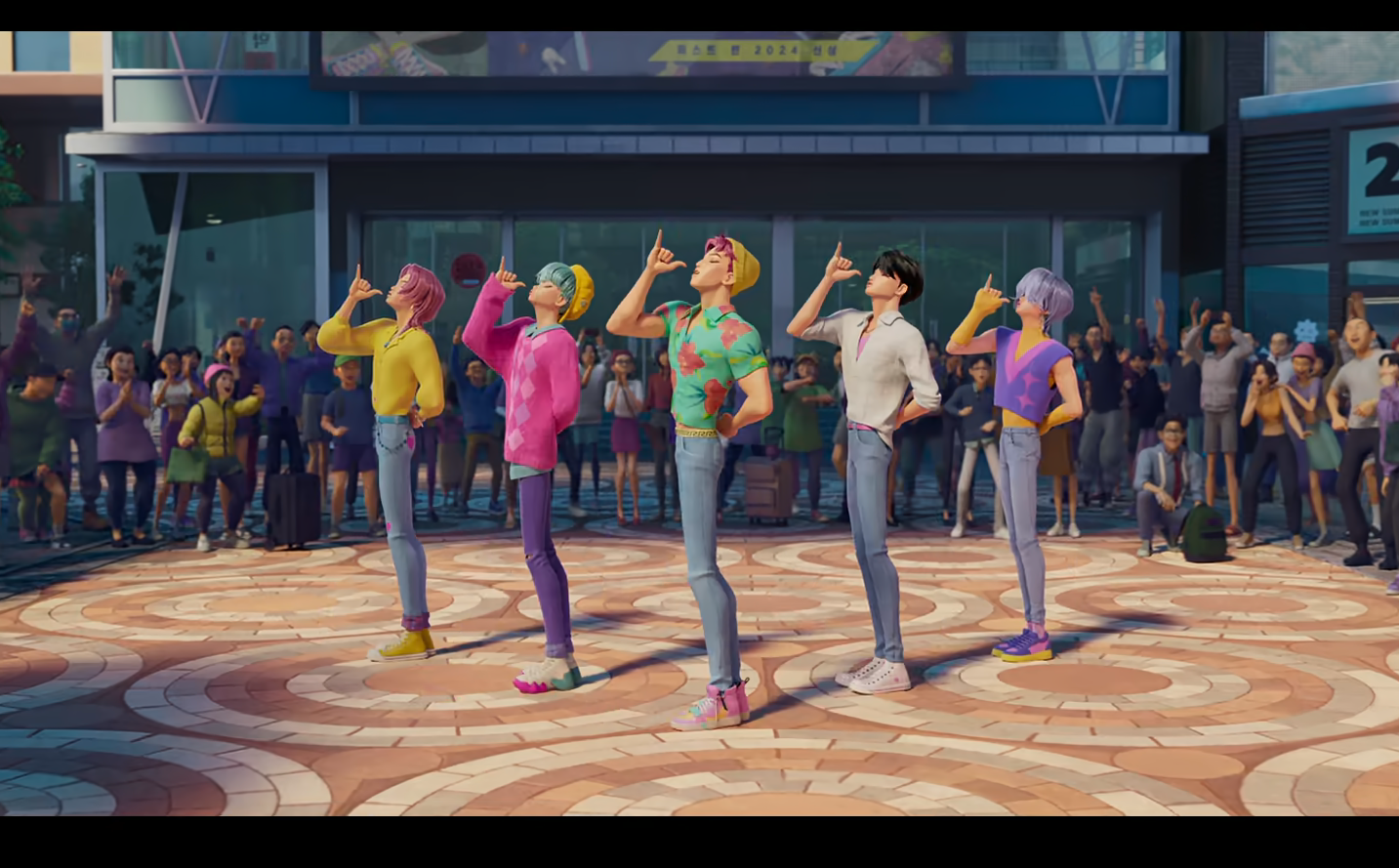
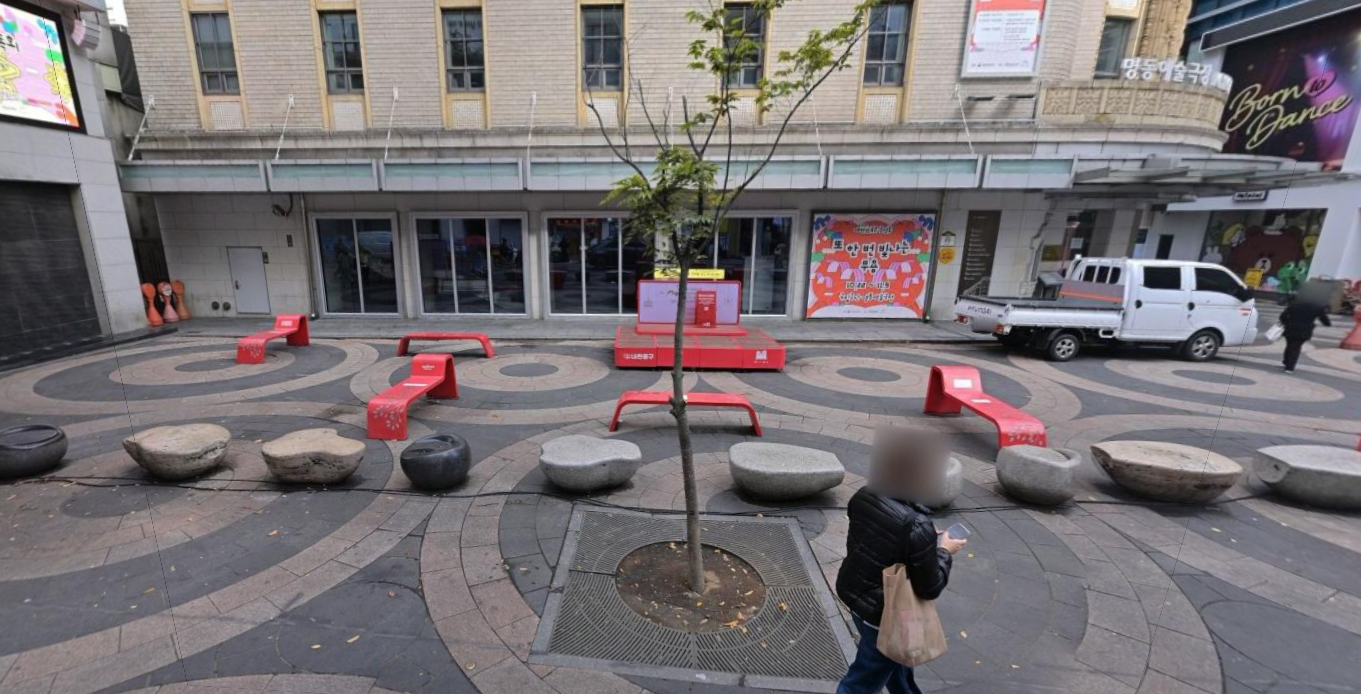
    Myeongdong is one of the most iconic shopping districts in Seoul, packed with fashion boutiques, skincare shops, street food stalls, and vibrant energy at almost any hour of the day. It’s a must-visit spot for international visitors, not only for shopping but also because it features cultural spots like the Myeongdong Art Theater and a nearby tourist information center—though they play a smaller role compared to the district’s overall shopping appeal.

    In K-pop Demon Hunters, Myeongdong is where the Saja Boys make their first appearance—putting on a flashy street performance that instantly grabs attention. The buzzing atmosphere and crowds in the scene are exactly what you’d experience in real life, especially on weekends.

    📍 Address: 35 Myeongdong-gil, Jung-gu, Seoul


    Many of the places in K-pop Demon Hunters aren’t just sets—they’re real, beautiful parts of Seoul. If you ever visit Korea, don’t miss the chance to experience them for yourself.

  • Planning your trip to Seoul and wondering how to get from Incheon Airport to Myeongdong? You’re in the right place!

    There’s no one-size-fits-all method—whether you care most about budget, comfort, or convenience, there’s an option that’ll suit your style. Here’s a breakdown of the most common ways to make that journey, with honest pros and cons so you can choose what works best for you.

    1. (Subway Connected) Airport Railroad

    The first and most economical option is the Airport Railroad (AREX). Incheon Airport has a subway station directly connected, providing easy access to downtown Seoul. Follow the signs at the airport to Incheon Airport Station and take the AREX regular train to Seoul Station. Once at Seoul Station, transfer to Subway Line 4 (light blue line) and get off at Myeongdong Station.

    This is the cheapest option and avoids traffic congestion. However, it can be quite crowded, especially during rush hours, and might be inconvenient if you’re carrying lots of luggage. Additionally, if you’re new to Korea, navigating the unfamiliar stations and signage could be challenging, so I wouldn’t personally recommend this for first-time visitors. If you’re already familiar with Korea’s subway system, this could be a practical option.

    Tip: Prepare your transportation card in advance for smoother travel!

    Additionally, there is a faster AREX Express train available. It saves about 10-15 minutes, costs approximately 9,500 KRW—about twice the price of the regular train—and requires seat reservations.

    • Travel time: Approximately 1 hour
    • Cost: About 4,750 KRW (regular train)

    2. Airport Limousine Bus

    The second option is taking the airport limousine bus, which is actually my top recommendation! It’s also a popular choice among locals in Korea.

    There are several ticket counters throughout Incheon Airport where you can buy a limousine bus ticket. Simply go to the counter and tell the staff your destination—they’ll recommend the correct bus or one that passes through your stop. There are also self-service kiosks available, and you can change the language to English, Japanese, or Chinese for convenience.

    The buses run according to a set schedule, and buses typically depart every 15 to 30 minutes, depending on the route. If you’re staying at a major hotel in Myeongdong or nearby, the bus might even drop you off right in front of your hotel.

    Your luggage will be safely stored in the bus’s luggage compartment by the driver, and the seats are wide and comfortable, with great air conditioning and heating. No transfers needed, just a smooth ride directly to your destination. However, keep in mind that if there’s heavy traffic, the travel time may be longer than expected.

    • Travel time: About 1 to 1.5 hours
    • Cost: Around 17,000 KRW (based on routes to Myeongdong)

    Tip: If you plan to take the limousine bus back to the airport later, it’s a good idea to buy a return ticket in advance. In the city, ticket counters are harder to find, and mobile booking can be a bit tricky for foreigners.


    3. Taking a Taxi

    The third option is taking a taxi. As soon as you step outside Incheon Airport, you’ll see a long line of taxis waiting. You can hop in one of those, or you can use a ride-hailing app like Uber or KakaoTaxi to call a car.

    Personally, I don’t recommend taking one of the taxis waiting at the airport. They’re often more expensive than ride-hailing options, and unfortunately, there have been cases of drivers trying to overcharge foreign tourists. Plus, unless you speak Korean, explaining your destination can be a bit stressful since many drivers aren’t fluent in foreign languages.

    If you use a ride-hailing app like Uber or KakaoTaxi, the vehicle might take a few extra minutes to arrive since it won’t be waiting right at the curb. But the price is usually a bit cheaper than airport taxis. KakaoTaxi is widely used in Korea, so it’s easy to get a cab anywhere in the country using the app.

    However, registering a payment card in the KakaoTaxi app can be frustrating for foreigners—many international cards don’t work, or they might get declined. On the other hand, Uber is often more convenient for international travelers since you can use the same payment method you’ve already registered abroad. You don’t need a Korean bank account or local credit card.

    The downside is that there aren’t a lot of Uber vehicles in Korea, so matching with a driver might take time or even fail after several attempts. Still, the ride is direct, comfortable, and you can input your destination in the app—so there’s no language barrier to worry about.

    • Travel time: Around 1 hour (depending on traffic)
    • Cost: Typically between 60,000 and 90,000 KRW

    4. Renting a Car at Incheon Airport

    While renting a car might sound convenient, it’s generally not recommended for most travelers heading to Seoul.

    Incheon Airport does have rental services through major companies like Lotte Rent-a-Car, SK Rent-a-Car, and Hertz, located at the Rental Car House near the terminals. You can get there using a free shuttle bus that runs every 5–10 minutes.

    However, driving in Seoul and the surrounding metropolitan areas is extremely challenging. Traffic congestion is common, streets can be narrow like alleys, and illegal street parking often makes driving even more difficult. On top of that, finding parking is a major headache in most areas.

    Unless you’re traveling with lots of luggage or heading to remote areas outside Seoul, public transportation or ride-hailing apps are much more efficient and stress-free.

    • Travel time: Around 1 hour to Myeongdong (depending on traffic)
    • Cost: From 70,000 KRW per day, not including gas or tolls

    Summary Table

    ConvenienceValue for MoneyThings to Note
    AREX Subway⭐⭐⭐⭐⭐⭐Cheapest option, but requires transfer and can be crowded
    Limousine Bus
    ✅ Recommended
    ⭐⭐⭐⭐⭐⭐⭐Direct, comfortable but possible delays from traffic
    Taxi / Ride-hailing⭐⭐⭐⭐⭐Direct and easy, but costly and some language/payment issues
    Rental Car⭐⭐Not recommended
  • Getting around Korea is super easy and convenient thanks to the transportation card system. Instead of paying cash every time you ride the subway, bus, or even take a taxi, using a transportation card saves time, money, and hassle.


    1. T-money (티머니)

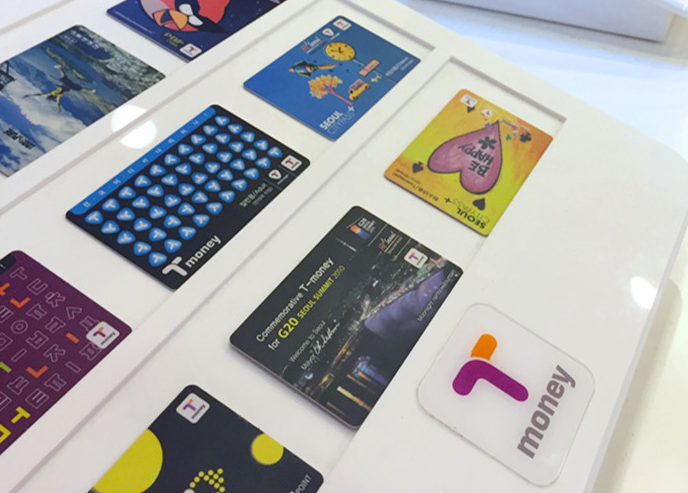
    The most widely used card in Korea is the T-money card. You can purchase it at convenience stores like CU, GS25, and 7-Eleven, or from ticket vending machines at subway stations. It usually costs about 2,500 KRW (around $2), and you need to recharge it to use for transportation.

    At subway kiosks, only the standard T-money card is sold, but convenience stores offer fun variations featuring popular characters or unique designs. These collectible cards don’t cost more but add personality and make great souvenirs.

    • Where to recharge: Convenience stores, subway stations, bus terminals, and mobile apps.
    • Where to use: Subways, buses, taxis, convenience stores, and some vending machines.
    • Note: Not accepted on KTX, Mugunghwa trains, intercity, or express buses, which require separate tickets.
    • Discounts: T-money users get small fare discounts (about 100 KRW per ride) and transfer discounts when switching between buses and subways within 30 minutes.
    • Nationwide use: Accepted throughout Korea — from Seoul to Busan and beyond.

    2. Cashbee (캐쉬비)

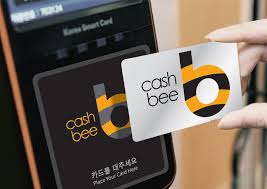
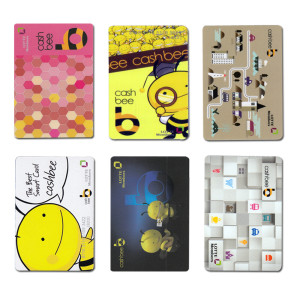
    Cashbee is essentially a regional version of T-money, popular in places like Busan and Daegu but usable nationwide. There’s no significant difference for most travelers, so having either card will cover your public transport needs across Korea.

    3. Railplus (레일플러스)

    Railplus is a transportation card mainly designed for use on the KORAIL railway network, covering regional and long-distance trains like KTX and Mugunghwa.

    Unlike T-money or Cashbee, which focus on everyday urban transit, Railplus is tailored for train travelers and offers discounts on KORAIL trains. It’s sold at train stations and convenient if you travel frequently between cities.

    For most visitors and locals using mainly city transit, Railplus offers limited benefits. If you mostly travel within cities, T-money or Cashbee is a better choice.


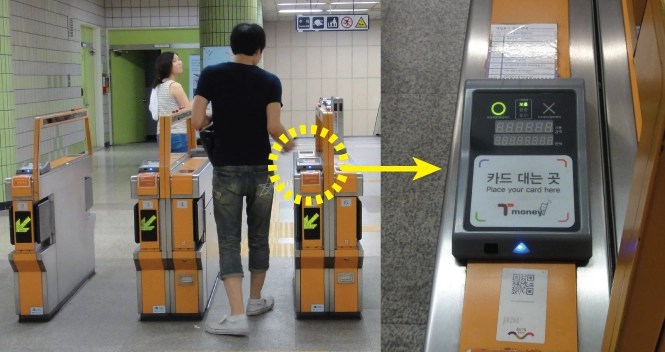
    How to Use Transportation Cards Like a local: Step-by-Step

    1. Get your card ready before boarding.
    2. Tap your card on the reader as you get on.
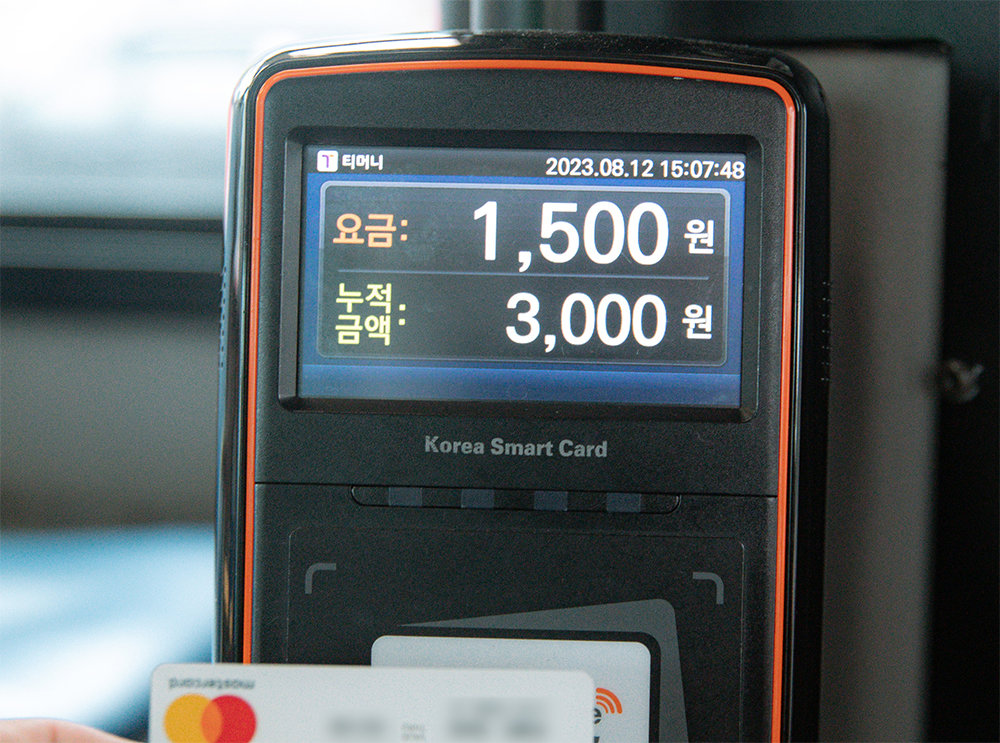
    3. Check your remaining balance on the reader’s display (the lower number shows your balance).
    4. Ride to your destination.
    5. Get your card ready before getting off.
    6. Tap your card on the reader as you get off. This lets the system calculate your fare.

    Extra tips:

    • Transfers between buses and subways within 30 minutes usually get discounted fares automatically.
    • Taxis require you to tap your card once when you get out. Taxi rides don’t count toward transfer discounts.
    • Keep your card handy to avoid delays during busy hours.

    Why Get a Transportation Card?

    • Save time: No need to buy tickets every ride.
    • Save money: Enjoy discounted fares and transfer benefits.
    • Convenience: Use one card across multiple transport modes and some stores.

    If you’re visiting Korea, getting a transportation card like T-money right after arrival is one of the best ways to make your trip smooth and easy!