With the global rise of K-pop and K-dramas, interest in K-food is growing rapidly as well. Korean cuisine is not only delicious but also considered healthy, which makes it even more appealing around the world.
As people grow to love Korean food, they naturally become curious about the dining customs and restaurant culture in Korea. But when visiting Korea for the first time, many foreign tourists find themselves confused—not by the food, but by the different ways meals are ordered, served, and paid for.
So in this post, we’ll look at six common cultural differences in dining that often surprise or confuse foreign visitors. If you know these ahead of time, your trip to Korea will be much smoother and more enjoyable!
1. Seat Yourself — Don’t Wait to Be Guided
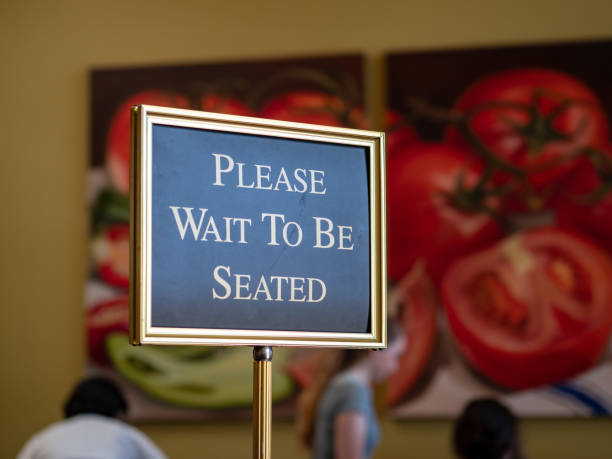
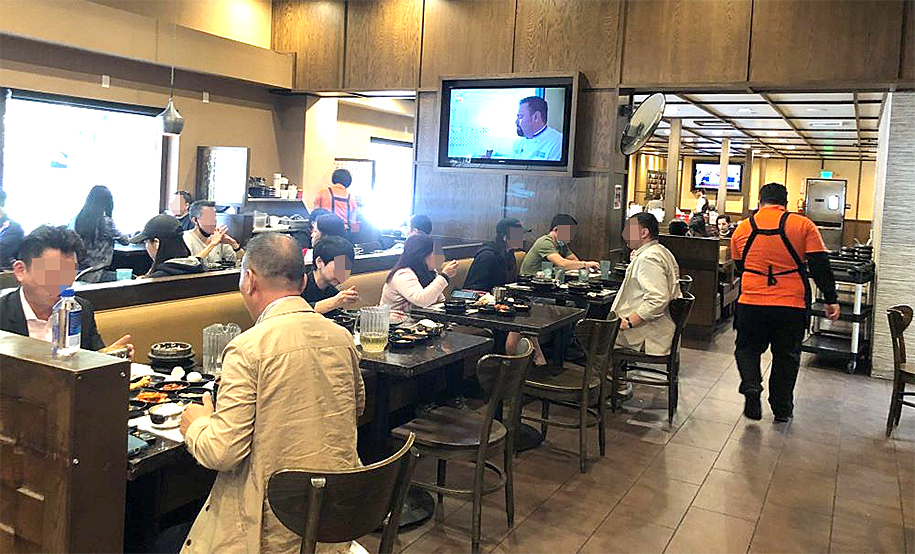
In many Korean restaurants, customers are expected to find their own seats instead of being guided by staff. In Western countries, it’s common for a host or server to greet guests and lead them to a table, so walking into a Korean restaurant and seating yourself might feel awkward or even rude.
However, this isn’t the case in every restaurant. In more upscale or reservation-based places, staff will often ask how many people are in your group and guide you to a table. Even in casual spots, if it’s particularly busy or there seems to be a wait, it’s normal to ask a server if seating is available.
But when there’s no clear host and plenty of open tables, it’s perfectly normal — and even expected — to simply seat yourself and start looking at the menu. This reflects Korea’s culture of fast and efficient dining.
💡 Travel Tip If a table is open, it’s perfectly polite to seat yourself without waiting. In more formal or crowded restaurants, check with a server first, but don’t feel awkward about taking the lead.
2. Call the Server Yourself — Or Use a Button
In most Korean restaurants, servers don’t come to your table unless you call them. You’re expected to press a call button on the table (if available) or raise your hand to get their attention. Many foreign tourists sit and wait, expecting a server to approach — but this may never happen.
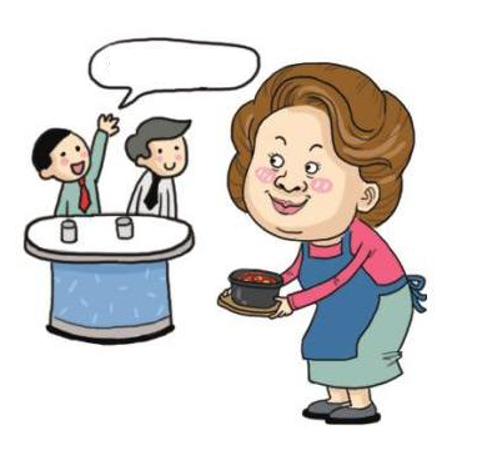
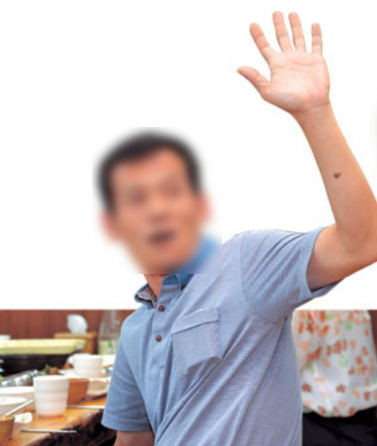
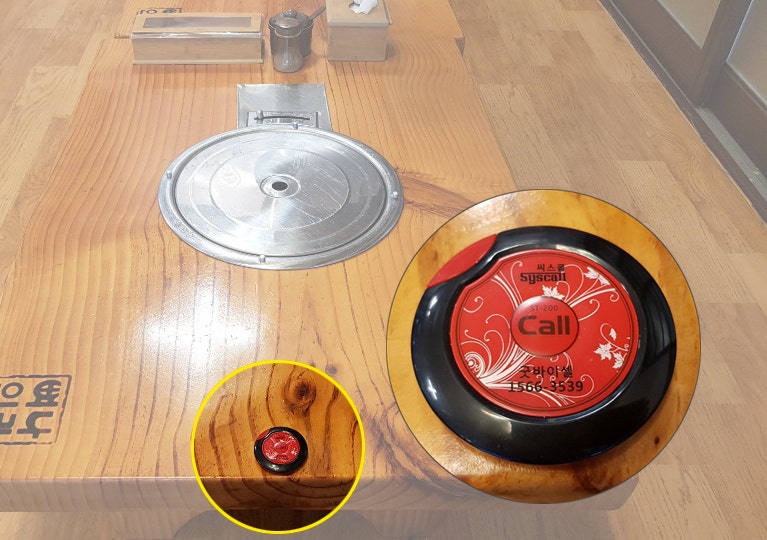
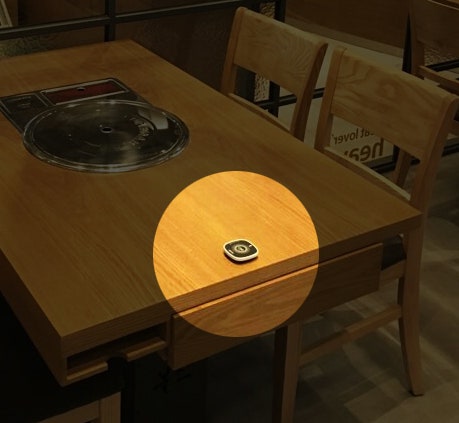
This system comes from Korea’s focus on efficiency and minimal interruption. Rather than hovering or checking in frequently, servers respond only when needed. It’s seen as polite not to disturb guests unless called.
More recently, many restaurants have introduced kiosks or tablets for self-ordering to reduce labor costs and prevent errors. Interestingly, these systems often include language options, making them even more accessible for foreign visitors.
💡 Travel Tip If you see a button on the table, don’t hesitate to press it. If there’s a tablet or kiosk, look for a language setting — it’s often easier than talking!
3. No Mid-Meal Check-Ins — That’s Normal Here
In Western countries, servers often check in during the meal — asking how the food is, offering refills, or just chatting. This adds to the sense of being looked after.
In Korea, however, servers rarely return to the table unless you call them. Once your food is served, it’s common for the staff to leave you alone — not out of neglect, but as a form of respect for your dining experience.
Excessive interruptions or chatting from the staff may be seen as intrusive rather than helpful. The norm is to call when needed, not to expect proactive check-ins.
💡 Travel Tip If no one checks on you during the meal, don’t take it personally! Just press the call button or raise your hand if you need anything — that’s how it works here.
4. Free Side Dishes — And They’re for Sharing
In Korea, meals often come with a variety of free side dishes (banchan) — things like kimchi, seasoned vegetables, or steamed egg. These are included at no extra charge and can feel like a bonus for foreign guests.
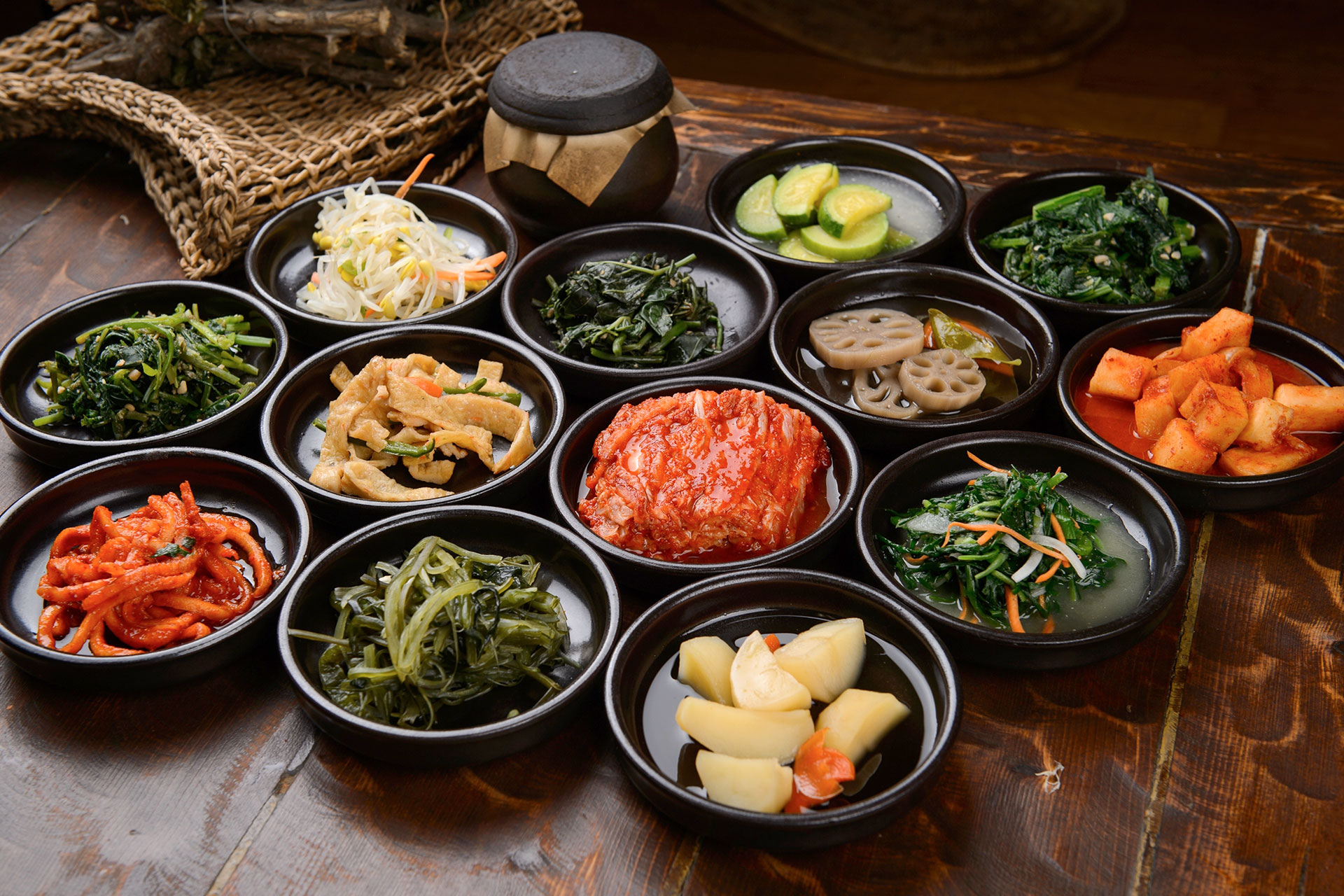
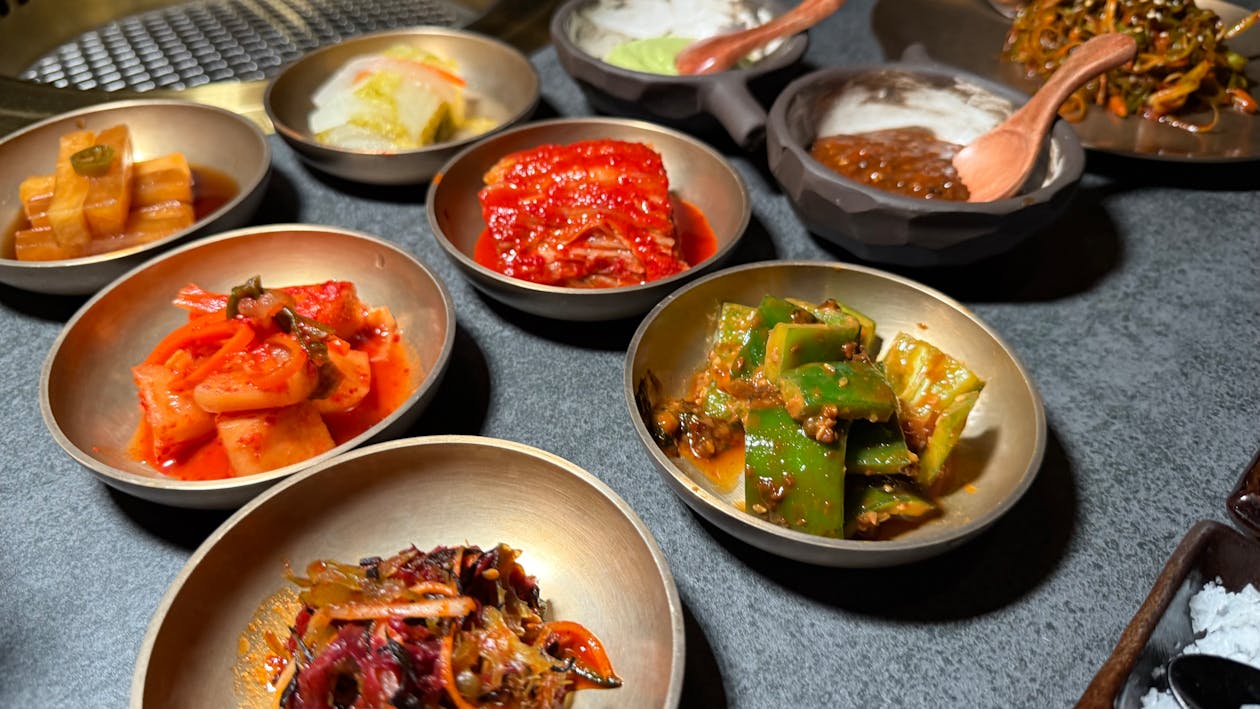
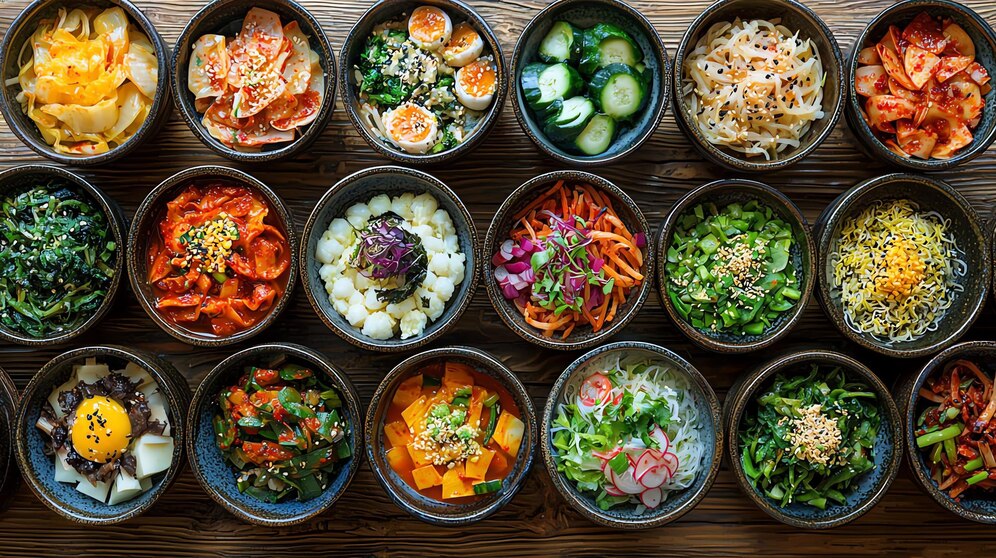
Most restaurants will also refill your banchan if you ask. In some cases, there’s even a self-serve station where you can help yourself.
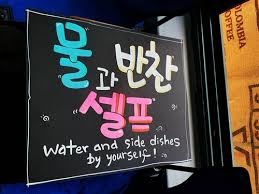
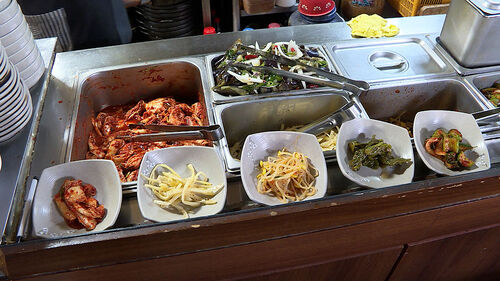
This system highlights the cultural values of efficiency and sharing. Unlike the West, where sides are usually individual, banchan is served for the whole table to share — it’s not meant to be “yours” alone.
Still, some visitors might be puzzled by dishes they didn’t order or wonder if they’ll be charged.
💡 Travel Tip Side dishes are free, and you can ask for more. If there’s a self-serve station, go ahead and help yourself — and don’t worry, there’s no extra charge!
5. Pay at the Counter — and Don’t Expect a Paper Signature
In Korea, you typically pay at the counter after your meal rather than settling the bill at the table. In contrast to the West, where a server brings the check and handles payment tableside, Korean restaurants expect you to walk up and pay directly.
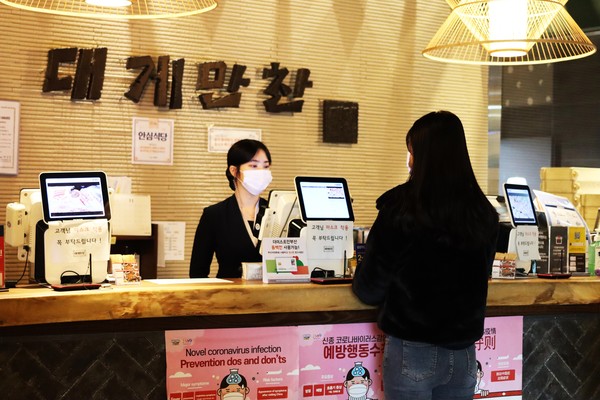
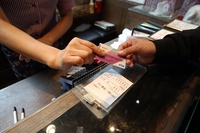
Also, signature requirements are rare. By law, only transactions over 50,000 KRW require a signature — and even then, you sign on a digital pad at the counter, not a paper receipt.
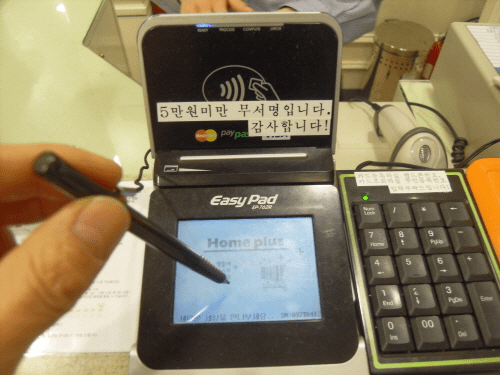
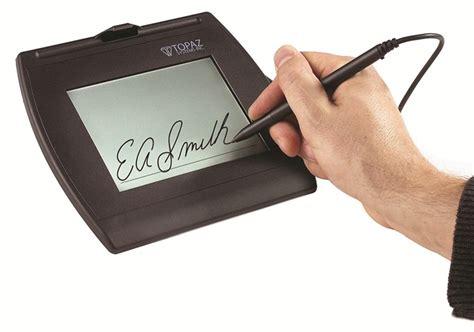
Some foreign visitors may feel uncomfortable when a server signs on their behalf or when no signature is requested. It can feel like a privacy violation.
However, in Korea, it’s understood that handing over your card, being present, and approving the total in real-time constitutes consent. Speed and convenience are cultural priorities, and handwritten signatures aren’t considered a critical security step.
Since most transactions are instantly authorized, this approach has become normal and trusted. Of course, if you’d prefer to sign yourself, simply ask — most places are happy to accommodate.
💡 Travel Tip When you’re ready to pay, go to the counter and say “계산이요 (gyesan-iyo)” or just hand over your card. If asked to sign, it’s probably over 50,000 KRW — and you’ll use a digital screen, not paper.
6. Tipping Isn’t Expected — It Can Even Feel Awkward
In many Western countries, it’s customary to leave a tip after eating at a restaurant, having coffee, or taking a taxi. Especially in places like the U.S. or Canada, where service charges are not always included, tipping is seen as a standard way to reward good service.
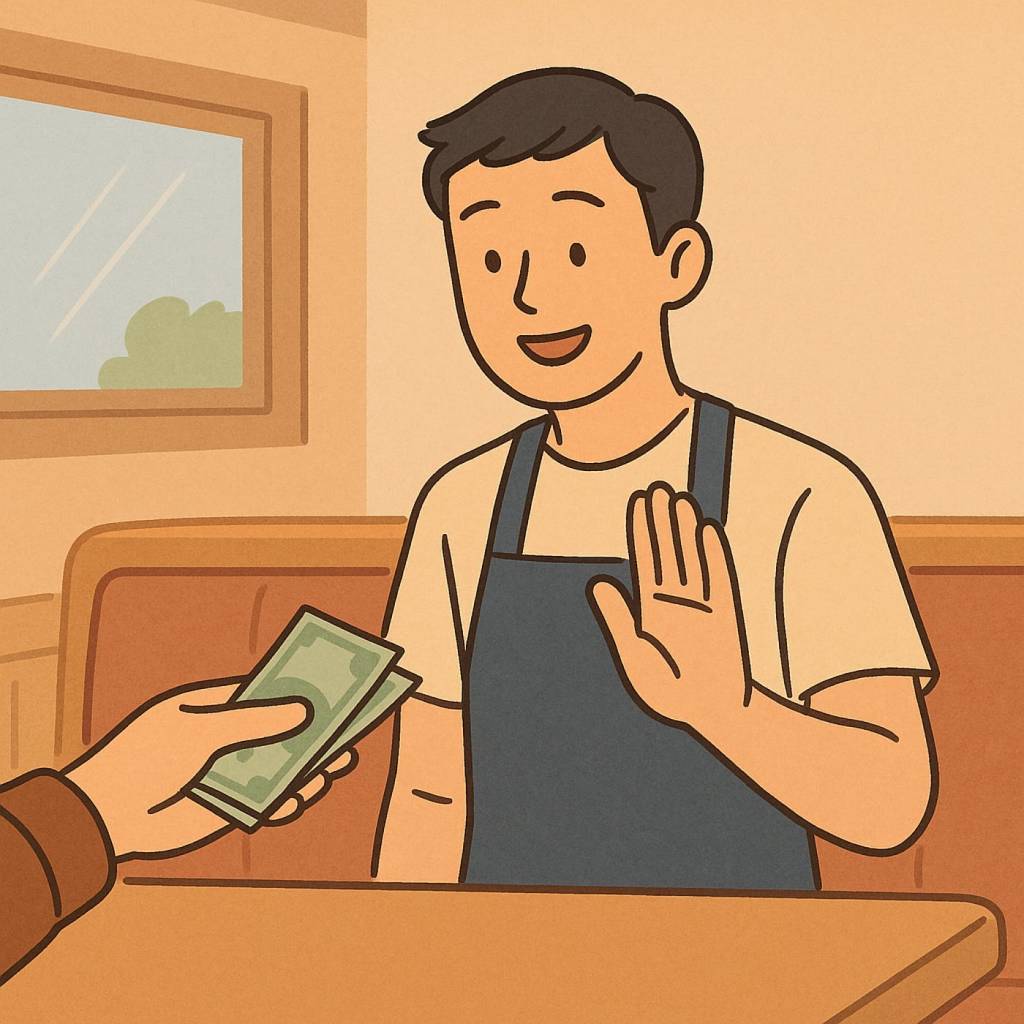
However, in Korea, tipping is not part of the culture at all. Most restaurants, cafes, and taxis already include service charges in their prices, and offering extra money is very rare. In fact, trying to tip may cause confusion — and in many cases, the staff will politely refuse. This reflects the cultural idea that service is included as a given, and that the relationship between customer and worker is more equal.
There’s no need to offer any money beyond what’s on the bill. If you receive kind service, simply saying “thank you” or giving a warm smile is more than enough to show your appreciation.
💡 Travel Tip On rare occasions, some dishonest vendors may try to ask for a tip from foreign tourists. If this happens, know that they are acting greedily, and this behavior is not part of Korean culture. Just walk away — tipping is never required in Korea.
Dining in Korea can be a delightful experience — full of delicious food, fast service, and unique traditions. But if you’re used to Western dining norms, these cultural differences can come as a surprise.
From seating yourself and calling the server, to sharing free side dishes and paying at the counter, every step of the dining process reflects Korea’s cultural values: efficiency, respect, and practicality.
Rather than seeing these differences as confusing or awkward, try to view them as part of the adventure. Knowing what to expect can turn potential stress into confidence, and help you better enjoy everything Korean food culture has to offer.
So next time you step into a Korean restaurant, you’ll not only know what to eat — but how to dine like a local!
 Wassup Korea
Leave a comment