When visiting Korea for the first time, many foreign tourists find themselves surprised by unexpected cultural differences — not just in food or fashion, but in everyday social etiquette.
Some behaviors that are completely natural in Korea might seem awkward or even rude to Westerners, and vice versa.
This post introduces six of the most commonly misunderstood Korean social norms to help visitors better understand and navigate the culture comfortably and respectfully.
1. Bowing as a Form of Greeting
In Korea, bowing is a standard way of showing respect when meeting someone, expressing gratitude, or apologizing. While this may feel unfamiliar or overly formal to those from Western cultures, it’s deeply rooted in Korean etiquette.
In contrast, Westerners typically make eye contact and shake hands as a default greeting, so bowing can be misinterpreted as submissive or overly deferential. However, in Korea, even a light bow is seen as a polite and respectful gesture.
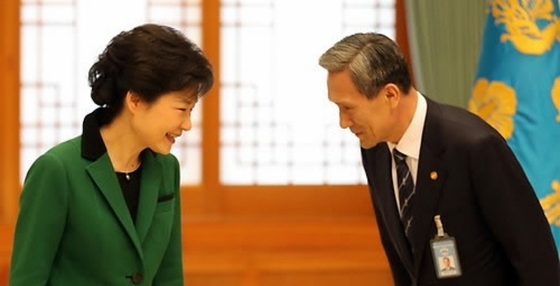
The depth of the bow can also vary depending on the relationship. Among friends or peers, a slight nod is sufficient. But for elders or people of higher status (such as a boss or teacher), a deeper bow is more appropriate.
In some situations — particularly in business settings or when meeting someone after a long time — it’s common to bow and shake hands simultaneously. This blend of gestures reflects both traditional and modern influences.
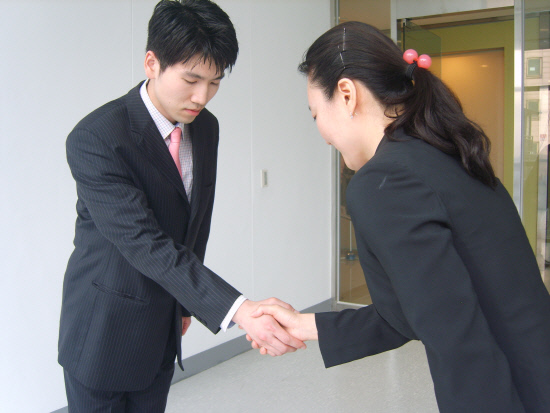
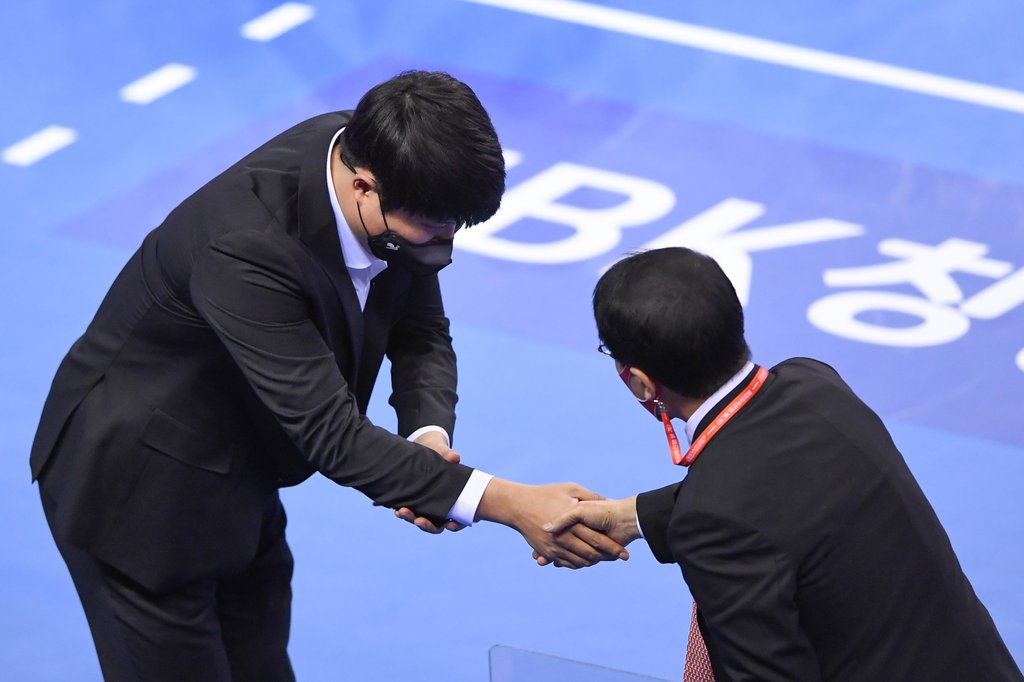
✨ Travel Tip Instead of waving, try offering a small bow when greeting someone in Korea. In formal situations, pair it with a handshake. Adjusting your bow to the context will leave a respectful impression.
2. Asking Someone’s Age Is Normal
In Korea, it’s common to ask someone’s age soon after meeting them — something that might feel overly personal or even rude in many Western cultures. However, this custom has deep cultural roots.


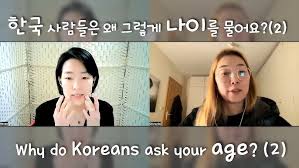
It stems from Korea’s long-standing Confucian heritage, especially the concept of “Jang-yoo-yoo-seo” (長幼有序), which emphasizes respect for elders and maintaining social order based on age hierarchy. Knowing someone’s age helps determine appropriate language, behavior, and the overall tone of the interaction.
Rather than being seen as invasive, asking for someone’s age is often considered a way of understanding how to treat the other person respectfully.
✨ Travel Tip Don’t be alarmed if someone asks about your age early in a conversation. It’s usually not meant to pry but to figure out how best to speak with and relate to you. If you’re uncomfortable answering, a polite smile and change of topic is perfectly acceptable.
3. Responding to Compliments with Humility
In many Western cultures, a compliment is often met with a smile and a “thank you.” In Korea, however, the typical response is modesty — and sometimes outright denial.
For instance, if someone says, “You speak English really well,” a Korean person might respond, “No, I’m still not very good,” even if they’re fluent. This isn’t a lack of confidence — it’s cultural humility. Showing off or directly accepting praise is often frowned upon.
This kind of modest response stems from the collectivist nature of Korean society, where humility and harmony are valued over self-assertion.
✨ Travel Tip When complimented by a Korean person, don’t be surprised if they downplay it. It’s not that they disagree — it’s simply a polite way of showing humility. You can still respond to compliments with a smile and sincerity, but don’t be offended if the other person humbly deflects yours.
4. Asking Personal Questions Is Normal
Questions like “Are you married?”, “Do you have kids?”, or “What’s your job?” might seem too personal to ask early in a conversation in many Western countries. But in Korea, these kinds of questions are commonly used to show friendly interest and build rapport.
As a Korean myself, I once asked an American classmate, “How’s your love life going?” thinking it was a warm and friendly way to show interest in their personal happiness. But I was met with a sharp “None of your business,” and quickly realized how differently such questions are perceived.
In Korea, asking about someone’s relationship status or family background isn’t always considered intrusive — rather, it’s seen as a sign of care or a way to find common ground.
✨ Travel Tip Don’t be too alarmed if a Korean acquaintance asks you something you consider private. It’s usually out of friendliness, not rudeness. If you feel uncomfortable, it’s okay to gently steer the conversation elsewhere.
🎯 Cultural Difference Snapshot
| Korea | Western Norms |
|---|---|
| Asking about love life or marriage is common | Seen as intrusive or inappropriate |
| Shows interest in well-being or social life | Considered too personal for early conversation |
| Intention is bonding | Perceived as nosy or pushy |
5. “Have You Eaten?” as a Greeting
In Korea, it’s common to hear “밥 먹었어요?” (bap meogeosseoyo? — “Have you eaten?”) as a greeting, especially among friends, family, or coworkers. It’s not necessarily about food — it’s a culturally affectionate way of asking “How are you?”

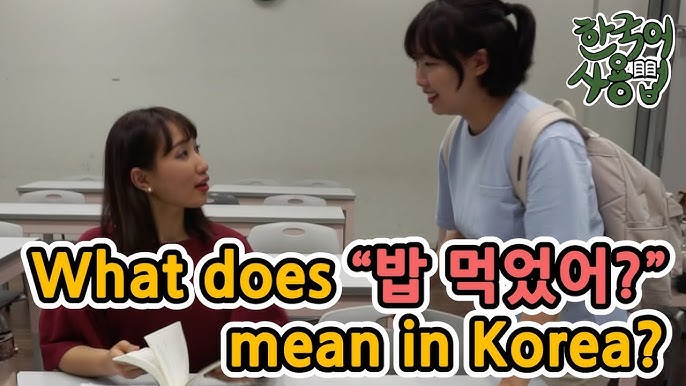
Westerners may find this confusing. They may wonder why Koreans are always asking about meals or whether it’s an invitation to eat together. In most cases, it’s neither.
This stems from a history where food scarcity was common, so showing concern about someone’s eating habits meant you cared about their well-being.
✨ Travel Tip If someone asks you “Have you eaten?” they probably aren’t inviting you to lunch — they’re just being friendly. A simple “Yes, thank you” (even if you haven’t eaten!) is a perfectly fine answer.
6. Using Two Hands to Give or Receive Items
When giving something to someone in Korea — especially to an elder, teacher, or anyone in a higher position — using both hands is a basic sign of respect. It’s more than just a gesture; it’s a reflection of humility and courtesy.
For example, when handing over your ID, credit card, or a gift, using both hands is considered proper etiquette. Offering something with just one hand, even unintentionally, can come across as careless or impolite.
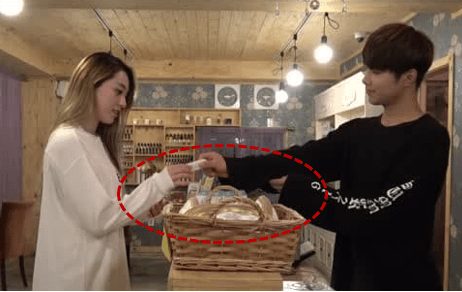
Foreign visitors often make mistakes here, particularly because in many Western countries, passing something with one hand is perfectly acceptable. As a result, they may be surprised by a seemingly stiff or formal reaction from Koreans.
But in Korea, intentions are read through actions, and using two hands shows that you’re sincere and respectful.
✨ Travel Tip When giving or receiving something from an elder or staff member, always use both hands. If your hands are full, you can support your arm or wrist with your free hand — it still shows the right level of respect.
While cultural differences can initially feel awkward or even confusing, they’re also opportunities for connection and learning. Understanding Korean social etiquette not only helps you avoid unintentional faux pas, but also shows your willingness to engage meaningfully with the local culture.
Whether you’re bowing politely, handing over your card with both hands, or answering a seemingly personal question with a smile, these small gestures go a long way in building mutual respect and friendship during your stay in Korea.


 Wassup Korea
Leave a comment